





- Lior mor
- •
- 6 Min Read
- •
- 5 months ago


Key Points
- Ongoing conflict involving Iran is driving sustained geopolitical risk, with implications for global markets.
- Energy prices and supply chains remain highly sensitive to developments in the region.
- Long-term economic damage could reshape regional stability and global investment flows.

The ongoing conflict involving Iran shows no clear signs of de-escalation, raising concerns about prolonged economic and geopolitical disruption. For global markets, the situation is particularly significant given the region’s central role in energy supply and trade routes, with potential ripple effects across commodities, equities, and currencies.
Energy Markets at the Center of the Crisis
The Middle East remains a critical hub for global oil production and transportation, with key chokepoints such as the Strait of Hormuz playing a vital role in energy flows. Escalation involving Iran increases the risk of supply disruptions, contributing to upward pressure on oil prices and energy volatility.
Higher energy costs can have widespread economic implications, including increased inflation and reduced consumer purchasing power. For energy-exporting countries, elevated prices may provide short-term benefits, while energy-importing nations face rising costs and economic strain.
This dynamic highlights the interconnected nature of geopolitical events and global financial markets, where developments in one region can quickly influence economic conditions worldwide.
Impact on Global Trade and Supply Chains
Beyond energy markets, prolonged conflict can disrupt key trade routes and logistics networks. The region’s strategic location makes it a critical link in global supply chains, particularly for goods moving between Asia, Europe, and beyond.
Increased security risks and transportation costs can lead to delays, higher shipping expenses, and reduced efficiency across supply chains. These disruptions may contribute to broader inflationary pressures and affect industries ranging from manufacturing to retail.
For investors, monitoring these developments is essential, as supply chain disruptions can influence corporate earnings and economic growth across multiple sectors.
Long-Term Economic and Strategic Implications
The prolonged nature of the conflict raises concerns about lasting economic damage, both within the region and globally. Infrastructure destruction, reduced investment, and political instability can hinder economic recovery and growth for years.
At the same time, geopolitical tensions may accelerate shifts in global energy strategies, with countries seeking to diversify supply sources and reduce dependence on volatile regions. This could drive increased investment in alternative energy and domestic production capabilities.
For Israel and neighboring economies, regional developments carry additional significance, influencing security considerations, trade relationships, and investment flows. The evolving situation underscores the importance of geopolitical risk assessment in global portfolio management.
Looking ahead, markets will closely monitor energy supply developments, diplomatic efforts, and regional stability indicators as key drivers of economic impact. Prolonged conflict may continue to support elevated energy prices while increasing volatility across asset classes. At the same time, opportunities may emerge in sectors aligned with energy diversification and infrastructure resilience. The balance between geopolitical risk, economic adaptation, and policy response will shape the long-term consequences of the conflict for global markets.
Comparison, examination, and analysis between investment houses
Leave your details, and an expert from our team will get back to you as soon as possible
* This article, in whole or in part, does not contain any promise of investment returns, nor does it constitute professional advice to make investments in any particular field.
To read more about the full disclaimer, click here
- orshu
- •
- 7 Min Read
- •
- ago 2 hours
SKN | Chevron Commits $7 Billion to Venezuela as Orinoco Expansion Targets 600,000 Barrels per Day
Chevron is significantly expanding its position in Venezuela's oil sector, committing more than $7 billion to its joint ventures
- ago 2 hours
- •
- 7 Min Read

Chevron is significantly expanding its position in Venezuela's oil sector, committing more than $7 billion to its joint ventures

- omer bar
- •
- 7 Min Read
- •
- ago 9 hours
SKN | Oil Prices Hover Near $90 as Middle East Conflict Keeps Markets on Edge
Crude Oil Pauses After a Sharp Two-Session Rally Crude oil prices turned volatile Wednesday, moving between modest gains and losses
- ago 9 hours
- •
- 7 Min Read

Crude Oil Pauses After a Sharp Two-Session Rally Crude oil prices turned volatile Wednesday, moving between modest gains and losses

- Lior mor
- •
- 6 Min Read
- •
- ago 21 hours
SKN | Shell Expands U.S. Retail Strategy With Full Takeover of Tri Star Energy
Shell is moving to take full control of Tri Star Energy as the British energy major expands its U.S. fuel
- ago 21 hours
- •
- 6 Min Read

Shell is moving to take full control of Tri Star Energy as the British energy major expands its U.S. fuel

- sagi habasov
- •
- 7 Min Read
- •
- ago 23 hours
SKN | Trump Escalates Pressure on US Refiners as Gasoline Prices Stay Above $4 a Gallon
President Donald Trump is intensifying pressure on US oil refiners to increase domestic fuel production and help lower gasoline and
- ago 23 hours
- •
- 7 Min Read
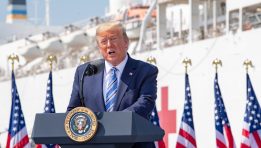
President Donald Trump is intensifying pressure on US oil refiners to increase domestic fuel production and help lower gasoline and

