


- omer bar
- •
- 7 Min Read
- •
- 14 seconds ago
Key Points
- The Dow closed slightly lower despite a sharp intraday recovery from steep losses.
- Oil prices surged above $111, fueling inflation concerns and market volatility.
- Investor sentiment remains fragile as geopolitical uncertainty drives rapid swings.
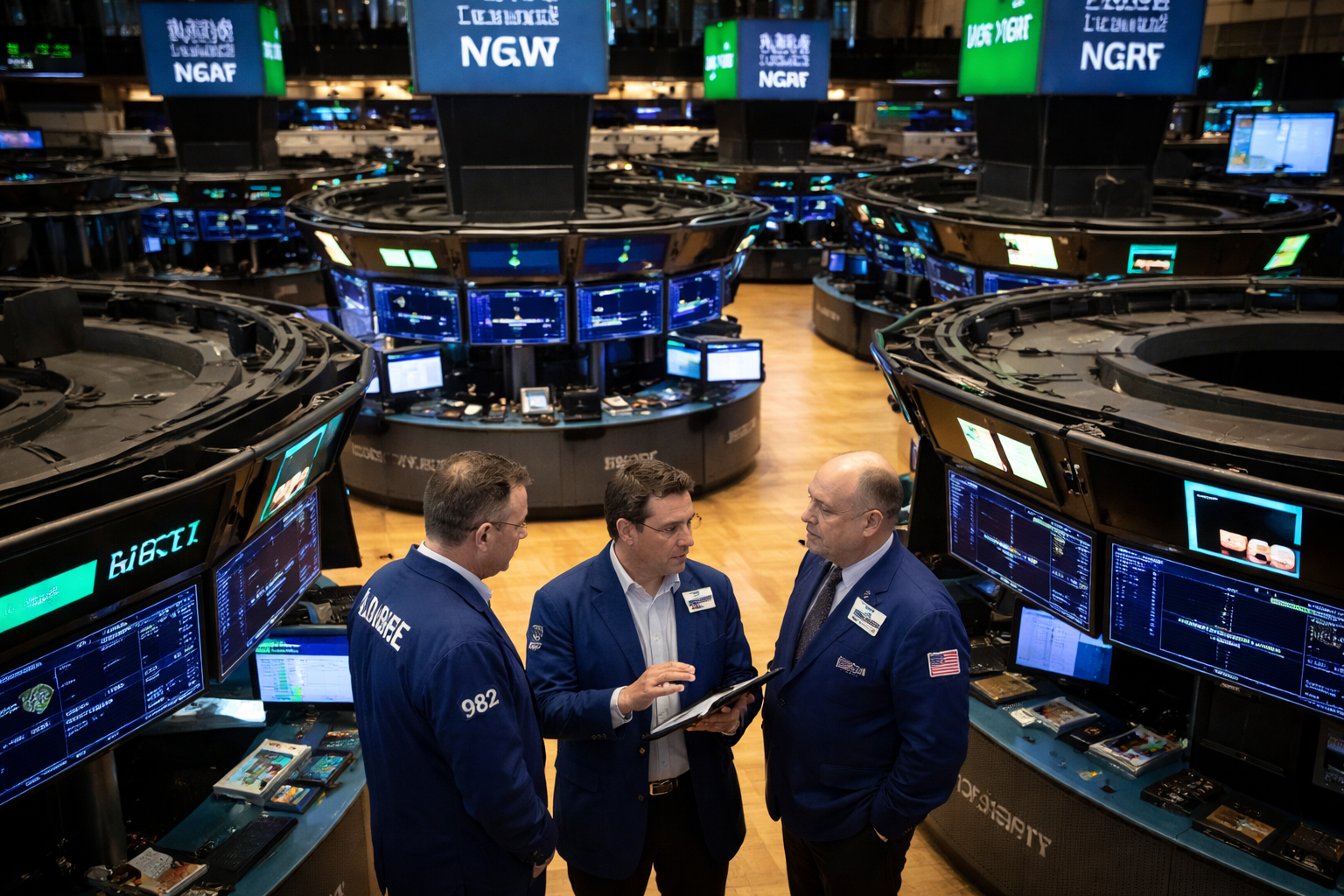
U.S. equities ended Thursday’s session in mixed territory, reflecting a market caught between geopolitical optimism and escalating risk. While early reports of potential coordination between Iran and Oman briefly lifted sentiment, President Donald Trump’s warning that the conflict could continue for weeks quickly reversed the tone. The result was a volatile trading session marked by sharp intraday swings, rising energy prices, and heightened investor uncertainty.
Volatility Dominates as Markets Reverse Intraday Losses
The Dow Jones Industrial Average closed down modestly by 61 points, or 0.13%, at 46,504.67, after being down more than 600 points earlier in the session. Meanwhile, the S&P 500 and Nasdaq Composite managed to finish slightly higher, underscoring the uneven nature of market sentiment.
The session highlighted how quickly narratives can shift in a geopolitically driven market. Early losses were driven by rising oil prices and fears of prolonged conflict, while midday gains followed reports of diplomatic coordination in the Strait of Hormuz. However, these gains proved fragile as investors reassessed the broader risks.
The CBOE Volatility Index, often referred to as Wall Street’s fear gauge, surged above 27 during the session, signaling elevated anxiety and expectations for continued market turbulence.
Oil Surge Becomes Central Market Driver
The most significant macro catalyst was the sharp rise in oil prices. West Texas Intermediate crude surged over 11% to settle above $111 per barrel, while Brent crude posted similarly strong gains. This move reflects growing concerns over supply disruptions tied to the Persian Gulf conflict.
Higher oil prices are not only a geopolitical signal but also a macroeconomic concern. Elevated energy costs can feed directly into inflation, complicating the Federal Reserve’s policy outlook and potentially delaying interest rate cuts. As a result, equity markets are increasingly sensitive to energy price movements, particularly in sectors exposed to consumer spending and industrial costs.
Interestingly, market participants are also paying attention to less-discussed supply chains. Strategic commodities such as helium—critical for semiconductor manufacturing—have emerged as an additional concern tied to disruptions in the region, highlighting how modern markets are influenced by a broader set of inputs beyond crude oil.
Investor Psychology: Knee-Jerk Reactions and Repricing Risk
Thursday’s trading session offered a clear example of how investor behavior is evolving in a high-uncertainty environment. Initial optimism around diplomatic developments quickly gave way to caution, as traders reassessed the likelihood of prolonged conflict.
This pattern reflects a broader behavioral dynamic: markets are increasingly reactive to headlines but slower to commit to sustained directional moves. The result is elevated intraday volatility, with rapid shifts between risk-on and risk-off positioning.
Even so, the broader weekly performance remains positive, with major indexes posting solid gains. This suggests that while short-term sentiment is fragile, underlying market resilience persists—at least for now.
What Comes Next for Markets?
Looking ahead, the interplay between geopolitical developments and macroeconomic data will be critical. Oil prices are expected to remain elevated in the near term, sustaining inflationary pressures and keeping volatility high.
At the same time, upcoming economic indicators, including the U.S. jobs report, could either reinforce or counterbalance current market concerns. For investors, the challenge will be navigating a landscape where geopolitical headlines and economic fundamentals are equally influential.
In the near term, markets are likely to remain highly sensitive to developments in the Middle East. Any signs of escalation or de-escalation could trigger sharp moves, reinforcing the importance of risk management and diversification in an increasingly unpredictable environment.
Comparison, examination, and analysis between investment houses
Leave your details, and an expert from our team will get back to you as soon as possible
* This article, in whole or in part, does not contain any promise of investment returns, nor does it constitute professional advice to make investments in any particular field.
To read more about the full disclaimer, click here
- omer bar
- •
- 6 Min Read
- •
- ago 47 minutes
SKN | Beyond Meat Slides Sharply in March: Demand Concerns or Structural Reset in Plant-Based Foods?
Beyond Meat (NASDAQ: BYND) experienced a significant decline in March, with its stock falling by 24% as investors reassessed
- ago 47 minutes
- •
- 6 Min Read

Beyond Meat (NASDAQ: BYND) experienced a significant decline in March, with its stock falling by 24% as investors reassessed

- orshu
- •
- 6 Min Read
- •
- ago 1 hour
SKN : Markets Edge Higher on April 2, 2026 as Small Caps Lead While Volatility Continues to Ease
U.S. equity markets closed with modest gains on Thursday, April 2, 2026, as investors maintained a cautiously optimistic stance. While
- ago 1 hour
- •
- 6 Min Read

U.S. equity markets closed with modest gains on Thursday, April 2, 2026, as investors maintained a cautiously optimistic stance. While
- orshu
- •
- 6 Min Read
- •
- ago 4 hours
SKN | US Dollar Index Holds Firm as Volatility Builds — Safe Haven Demand Returns to Focus
The US Dollar Index (DXY) traded higher on April 2, hovering near the 100.02 level as markets remained open,
- ago 4 hours
- •
- 6 Min Read

The US Dollar Index (DXY) traded higher on April 2, hovering near the 100.02 level as markets remained open,
- orshu
- •
- 6 Min Read
- •
- ago 6 hours
SKN | European Markets Close Lower as Broad Weakness Offsets FTSE Strength
European markets closed mixed but predominantly lower on April 2, as investors weighed macroeconomic uncertainty and global market signals.
- ago 6 hours
- •
- 6 Min Read
European markets closed mixed but predominantly lower on April 2, as investors weighed macroeconomic uncertainty and global market signals.

