


- omer bar
- •
- 6 Min Read
- •
- 13 seconds ago
Key Points
- Beyond Meat shares fell by 24% in March, reflecting renewed pressure on growth expectations.
- Weak demand trends and pricing challenges continue to weigh on revenue visibility.
- Investor sentiment is shifting toward profitability over expansion in the alternative protein sector.
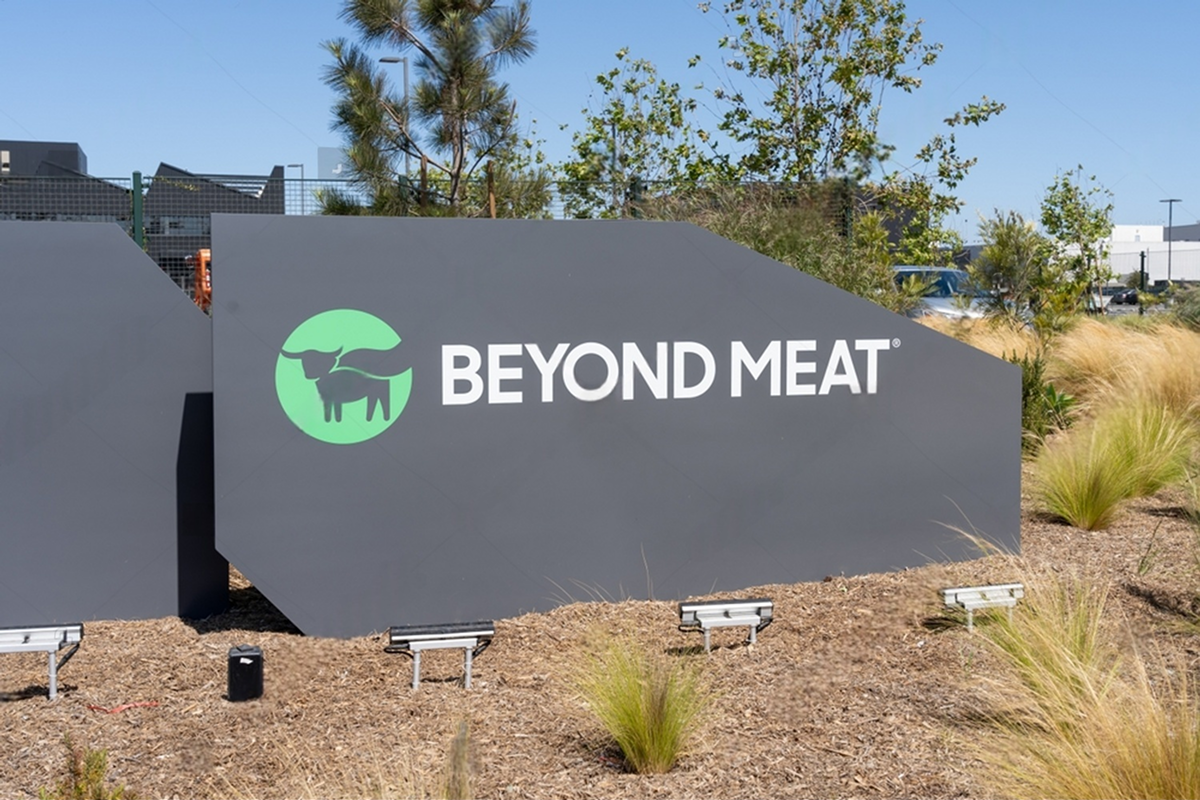
Beyond Meat (NASDAQ: BYND) experienced a significant decline in March, with its stock falling by 24% as investors reassessed the outlook for plant-based food companies. The move reflects broader market dynamics, where high-growth consumer brands are facing increasing scrutiny over demand sustainability and profitability in a more challenging economic environment.
Demand Slowdown Raises Growth Concerns
A primary driver behind Beyond Meat’s decline has been weakening demand across key markets. The plant-based meat category, once considered a high-growth segment, has shown signs of consumer fatigue and slower adoption rates, particularly in the United States.
Retail data and industry trends suggest that while awareness of plant-based alternatives remains high, repeat purchases and long-term consumption patterns have not met earlier expectations. This has led to softer revenue performance and reduced confidence in near-term growth trajectories.
For global investors, including those in Israel where food innovation is a growing sector, the Beyond Meat case highlights the risks associated with emerging consumer trends that may not scale as quickly as initially anticipated.
Pricing Pressure and Margin Challenges
Beyond Meat continues to face significant challenges related to cost structure and pricing. The company has been working to reduce production costs to achieve price parity with traditional meat products, but progress has been gradual.
At the same time, competitive pressures from both traditional food companies and new entrants have intensified, leading to a more crowded market. Retailers and food service partners are increasingly focused on value, making it difficult for Beyond Meat to maintain premium pricing.
These dynamics have placed pressure on margins, with the company balancing the need to stimulate demand through pricing strategies while attempting to move toward profitability. In the current market environment, investors are prioritizing margin discipline and cash flow generation, amplifying the impact of these challenges on the stock.
Shifting Market Sentiment and Strategic Outlook
The broader investment landscape has also played a role in Beyond Meat’s decline. As interest rates remain elevated and capital becomes more selective, investors are rotating away from companies with uncertain profitability timelines toward those with established earnings and stable growth profiles.
Beyond Meat’s valuation has adjusted accordingly, reflecting a more cautious outlook on its long-term growth potential. While the company continues to invest in innovation and expand its product offerings, the market is demanding clearer evidence of sustainable demand and operational efficiency.
Additionally, macroeconomic factors such as inflation and changing consumer spending habits are influencing purchasing decisions, particularly for premium-priced food products.
Looking ahead, Beyond Meat’s performance will depend on its ability to reignite demand, improve cost efficiency, and achieve scalable profitability. Investors will closely monitor developments in product innovation, pricing strategies, and partnerships within retail and food service channels. While the plant-based food sector retains long-term potential, the near-term outlook will likely be shaped by execution and market conditions. The balance between growth expectations and financial sustainability will remain central to the company’s trajectory in global equity markets.
Comparison, examination, and analysis between investment houses
Leave your details, and an expert from our team will get back to you as soon as possible
* This article, in whole or in part, does not contain any promise of investment returns, nor does it constitute professional advice to make investments in any particular field.
To read more about the full disclaimer, click here
- orshu
- •
- 6 Min Read
- •
- ago 19 minutes
SKN : Markets Edge Higher on April 2, 2026 as Small Caps Lead While Volatility Continues to Ease
U.S. equity markets closed with modest gains on Thursday, April 2, 2026, as investors maintained a cautiously optimistic stance. While
- ago 19 minutes
- •
- 6 Min Read

U.S. equity markets closed with modest gains on Thursday, April 2, 2026, as investors maintained a cautiously optimistic stance. While

- Lior mor
- •
- 6 Min Read
- •
- ago 24 minutes
SKN | Nio Stock Surges: Delivery Growth and EV Momentum Drive Renewed Investor Interest
Nio Inc. (NYSE: NIO) recorded a strong upward move this week, with its stock gaining momentum as investors reacted
- ago 24 minutes
- •
- 6 Min Read

Nio Inc. (NYSE: NIO) recorded a strong upward move this week, with its stock gaining momentum as investors reacted

- sagi habasov
- •
- 6 Min Read
- •
- ago 51 minutes
SKN | Why Are Analysts Cutting Lululemon’s Price Target Despite Strong Brand Momentum?
Lululemon Athletica’s recent price target cuts from major Wall Street firms reflect a growing tension between its strong brand positioning
- ago 51 minutes
- •
- 6 Min Read

Lululemon Athletica’s recent price target cuts from major Wall Street firms reflect a growing tension between its strong brand positioning

- Arik Arkadi Sluzki
- •
- 6 Min Read
- •
- ago 52 minutes
SKN | Oracle Stock at Multi-Year Valuation Lows: Opportunity Emerging or Growth Concerns Rising?
Oracle Corporation (NYSE: ORCL) is trading at valuation levels last seen several years ago, raising questions about whether the
- ago 52 minutes
- •
- 6 Min Read

Oracle Corporation (NYSE: ORCL) is trading at valuation levels last seen several years ago, raising questions about whether the

