


- omer bar
- •
- 6 Min Read
- •
- 9 seconds ago
Key Points
- Oil prices surged sharply, with WTI crossing $111 and Brent exceeding $140 per barrel.
- Geopolitical tensions around Iran and the Strait of Hormuz are driving supply risk premiums.
- Markets remain volatile as diplomacy efforts clash with escalating military threats.
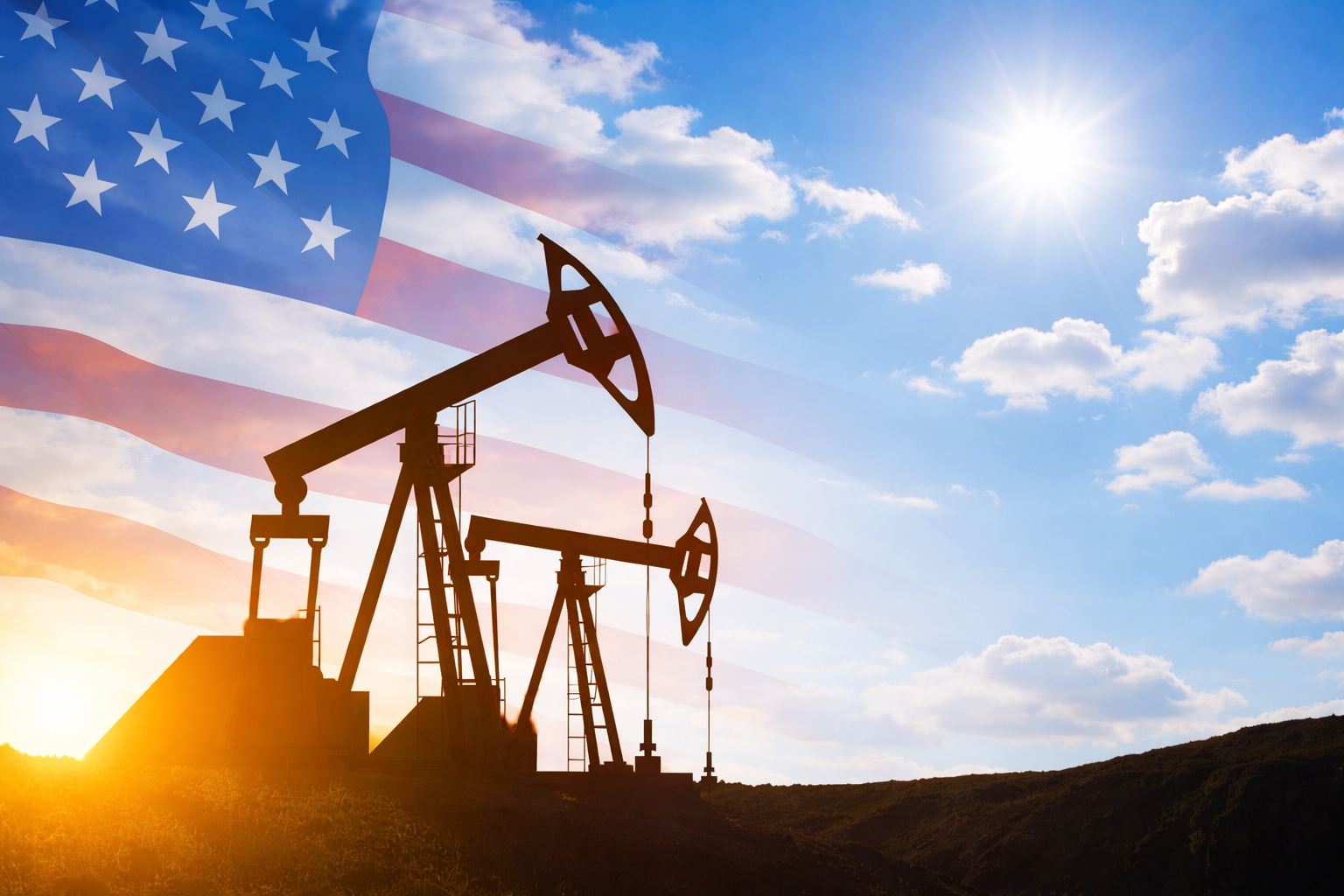
Oil markets have entered a new phase of volatility as geopolitical tensions in the Persian Gulf intensify, pushing prices to multi-year highs. A brief wave of optimism tied to diplomatic discussions between Iran and Oman quickly faded after renewed threats of escalation from the United States. The result has been a sharp repricing of risk, with crude benchmarks reflecting growing concerns that a critical global supply route could face sustained disruption.
Geopolitical Risk Reprices the Oil Market
Crude prices surged dramatically, with WTI futures jumping over 11% to surpass $111 per barrel, while Brent benchmarks climbed above $140—levels not seen since the 2008 commodity supercycle. The rally reflects not only immediate supply fears but also a broader reassessment of geopolitical risk embedded in energy markets.
At the center of this উদ্বেগ is the Strait of Hormuz, a chokepoint through which a significant portion of global oil flows. Even the perception of potential disruption is enough to trigger aggressive buying, as traders hedge against worst-case scenarios. President Trump’s warnings of further military escalation have reinforced this risk premium, overshadowing earlier signs of diplomatic progress.
Volatility Driven by Conflicting Signals
Market sentiment has been highly reactive, oscillating between optimism and fear. Reports suggesting Iran and Oman were working on a framework to regulate tanker transit initially eased concerns, hinting at a possible stabilization mechanism. However, those gains proved short-lived as geopolitical rhetoric intensified.
This push-and-pull dynamic is a classic feature of crisis-driven markets. Investors are forced to price in rapidly changing probabilities, leading to sharp intraday swings. The nearly 50% increase in oil prices over the past month—and over 65% year-over-year—underscores how quickly sentiment can shift when supply security is in question.
Supply Constraints and Limited Near-Term Relief
While discussions within OPEC+ about increasing output have surfaced, the market remains skeptical about the immediacy of any meaningful supply response. Structural limitations, combined with logistical bottlenecks, mean that even coordinated production hikes are unlikely to offset disruptions in the short term.
At the same time, international efforts—such as UK-led talks to secure maritime routes—highlight the global stakes involved. However, these initiatives may take time to translate into tangible stability, leaving markets exposed to continued volatility in the interim.
Strategic Implications for Investors and Policymakers
The current environment reflects more than a temporary price spike; it signals a broader shift in how geopolitical risk is integrated into energy pricing. For investors, this raises critical questions about portfolio positioning, inflation expectations, and exposure to energy-sensitive sectors.
Higher oil prices can act as a tax on global growth, particularly for import-dependent economies. For policymakers, the challenge lies in balancing energy security with economic stability, especially as inflationary pressures may re-emerge alongside rising commodity costs.
Looking ahead, the trajectory of oil prices will depend heavily on geopolitical developments in the Gulf. Any escalation involving key infrastructure or shipping routes could push prices even higher, while credible diplomatic breakthroughs may trigger sharp corrections. In either case, volatility is likely to remain elevated, reinforcing oil’s role as both an economic barometer and a geopolitical risk indicator.
Comparison, examination, and analysis between investment houses
Leave your details, and an expert from our team will get back to you as soon as possible
* This article, in whole or in part, does not contain any promise of investment returns, nor does it constitute professional advice to make investments in any particular field.
To read more about the full disclaimer, click here
- orshu
- •
- 6 Min Read
- •
- ago 22 minutes
SKN | US Oil Fund (USO) Surges as Energy Markets Tighten — Momentum Builds in Crude Exposure
The United States Oil Fund, LP (NYSEArca: USO) moved significantly higher on April 2, rising by 11.05% to trade
- ago 22 minutes
- •
- 6 Min Read
The United States Oil Fund, LP (NYSEArca: USO) moved significantly higher on April 2, rising by 11.05% to trade

- Ronny Mor
- •
- 6 Min Read
- •
- ago 3 hours
SKN | Strait of Hormuz in Focus: Trump Calls for Global Responsibility as Energy Risks Reprice Markets
Statements urging other nations to take a leading role in securing the Strait of Hormuz have brought renewed attention
- ago 3 hours
- •
- 6 Min Read

Statements urging other nations to take a leading role in securing the Strait of Hormuz have brought renewed attention

- Lior mor
- •
- 6 Min Read
- •
- ago 4 hours
SKN | US Energy Independence or Market Illusion? Why Global Oil Dynamics Still Matter
Recent remarks suggesting that the United States is “totally independent of the Middle East” have reignited debate over the
- ago 4 hours
- •
- 6 Min Read

Recent remarks suggesting that the United States is “totally independent of the Middle East” have reignited debate over the
- Ronny Mor
- •
- 5 Min Read
- •
- ago 15 hours
SKN | How Oil Prices Above $100 a Barrel Could Directly Impact Your Finances
Global oil prices have climbed above $100 per barrel, raising concerns about the ripple effects on consumer spending, corporate expenses,
- ago 15 hours
- •
- 5 Min Read
Global oil prices have climbed above $100 per barrel, raising concerns about the ripple effects on consumer spending, corporate expenses,

