


- sagi habasov
- •
- 7 Min Read
- •
- 11 seconds ago
Key Points
- Blue Owl is capping redemptions after facing unprecedented withdrawal requests across two major funds.
- Investor anxiety around private credit liquidity and valuation transparency is intensifying.
- The move aligns with industry peers but highlights growing structural tensions in the asset class.

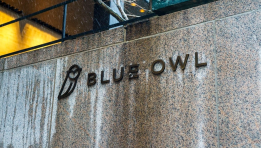
A sharp rise in redemption requests at Blue Owl Capital has brought renewed scrutiny to the resilience of the private credit market. The firm’s decision to limit withdrawals to 5%—despite requests far exceeding that threshold—reflects mounting pressure within a sector long marketed as stable and yield-generating. As investor sentiment shifts, the episode underscores a critical tension between liquidity expectations and the inherently illiquid nature of private credit investments.
Redemption Surge Exposes Structural Constraints
Blue Owl’s flagship $36 billion credit fund faced redemption requests totaling 21.9% of shares in the first quarter, a dramatic increase from just 5.2% in the prior period. Even more striking, its technology-focused fund saw requests surge to 40.7%. These figures are not only elevated—they are unprecedented among major players in the private credit space.
Despite strong historical returns exceeding 9% annually, the firm opted to enforce its structural redemption cap. This resulted in honoring roughly $988 million in withdrawals for its larger fund while deferring billions more. The decision highlights a fundamental reality: private credit vehicles, particularly non-traded business development companies, are not designed for rapid liquidity, even if investor expectations have evolved in that direction.
Investor Behavior Signals Growing Risk Sensitivity
The magnitude of withdrawal requests suggests a notable shift in investor psychology. Private credit, once perceived as a relatively insulated asset class, is now facing increased scrutiny due to concerns over credit quality, valuation opacity, and sector-specific risks—particularly in technology lending.
Recent high-profile disruptions and fears that artificial intelligence could destabilize software business models have further amplified caution. In Blue Owl’s case, additional pressure stemmed from prior strategic decisions, including a canceled merger and asset sales tied to liquidity management. These events appear to have concentrated redemption pressure among certain investor segments, particularly within wealth management channels.
Industry-Wide Implications and Peer Alignment
Blue Owl’s move places it in line with industry heavyweights such as Apollo, Ares, and BlackRock, all of which have maintained strict redemption thresholds in similar vehicles. However, the scale of requests faced by Blue Owl distinguishes this episode as a potential inflection point for the sector.
The divergence in how asset managers handle redemptions—some prioritizing liquidity, others enforcing limits—raises broader questions about consistency and investor trust. While adherence to fund structures protects remaining investors from forced asset sales, it can also erode confidence among those seeking flexibility.
Importantly, the funds maintain substantial liquidity buffers, with billions in cash, credit lines, and liquid assets. This suggests that the issue is less about solvency and more about managing liquidity in a controlled manner, avoiding the negative feedback loop of forced selling.
What This Means for the Future of Private Credit
Looking ahead, the private credit market may face a period of recalibration. Investors are likely to demand greater transparency, more realistic liquidity expectations, and potentially revised fund structures. At the same time, asset managers will need to balance yield generation with risk management in an environment where capital is becoming more selective.
If redemption pressures persist or spread across the industry, it could lead to tighter lending conditions, repricing of risk, and reduced capital flows into private markets. Conversely, if stability returns, current dislocations may present selective opportunities for long-term investors willing to accept illiquidity.
Comparison, examination, and analysis between investment houses
Leave your details, and an expert from our team will get back to you as soon as possible
* This article, in whole or in part, does not contain any promise of investment returns, nor does it constitute professional advice to make investments in any particular field.
To read more about the full disclaimer, click here
- sagi habasov
- •
- 6 Min Read
- •
- ago 5 days
SKN | Blue Owl Private Credit Fund Raises $20.7M: Renewed Appetite for Private Debt or Cautious Capital Allocation?
Blue Owl Capital has raised approximately $20.7 million through a share sale tied to its private credit strategy, reflecting
- ago 5 days
- •
- 6 Min Read
Blue Owl Capital has raised approximately $20.7 million through a share sale tied to its private credit strategy, reflecting

- Lior mor
- •
- 5 Min Read
- •
- ago 4 weeks
SKN | Robinhood Introduces Platinum Card With $695 Fee and Exclusive Benefits
Robinhood Financial has officially launched its Robinhood Platinum Card, signaling a move to capture affluent clients seeking premium credit products
- ago 4 weeks
- •
- 5 Min Read

Robinhood Financial has officially launched its Robinhood Platinum Card, signaling a move to capture affluent clients seeking premium credit products

- omer bar
- •
- 5 Min Read
- •
- ago 1 month
SKN | MFEM Climbs to 52-Week High as Emerging Markets Rally Gains Momentum
Emerging markets equities continue to attract capital as global investors rotate toward value and cyclical exposures. The PIMCO RAFI Dynamic
- ago 1 month
- •
- 5 Min Read

Emerging markets equities continue to attract capital as global investors rotate toward value and cyclical exposures. The PIMCO RAFI Dynamic
- Lior mor
- •
- 6 Min Read
- •
- ago 1 month
SKN | Tokenized U.S. Stocks Go Global: Ondo Brings AAPLon and QQQon to Binance
The race to merge traditional finance with blockchain infrastructure accelerated this week as Ondo launched tokenized versions of U.S. stocks
- ago 1 month
- •
- 6 Min Read

The race to merge traditional finance with blockchain infrastructure accelerated this week as Ondo launched tokenized versions of U.S. stocks

