


- Lior mor
- •
- 6 Min Read
- •
- 8 seconds ago
Key Points
- Claims of US energy independence overlook global oil pricing mechanisms tied to international supply and demand.
- Middle East production continues to influence global benchmarks, impacting US consumers and markets.
- Energy interconnectivity remains a critical risk factor for investors amid geopolitical uncertainty.
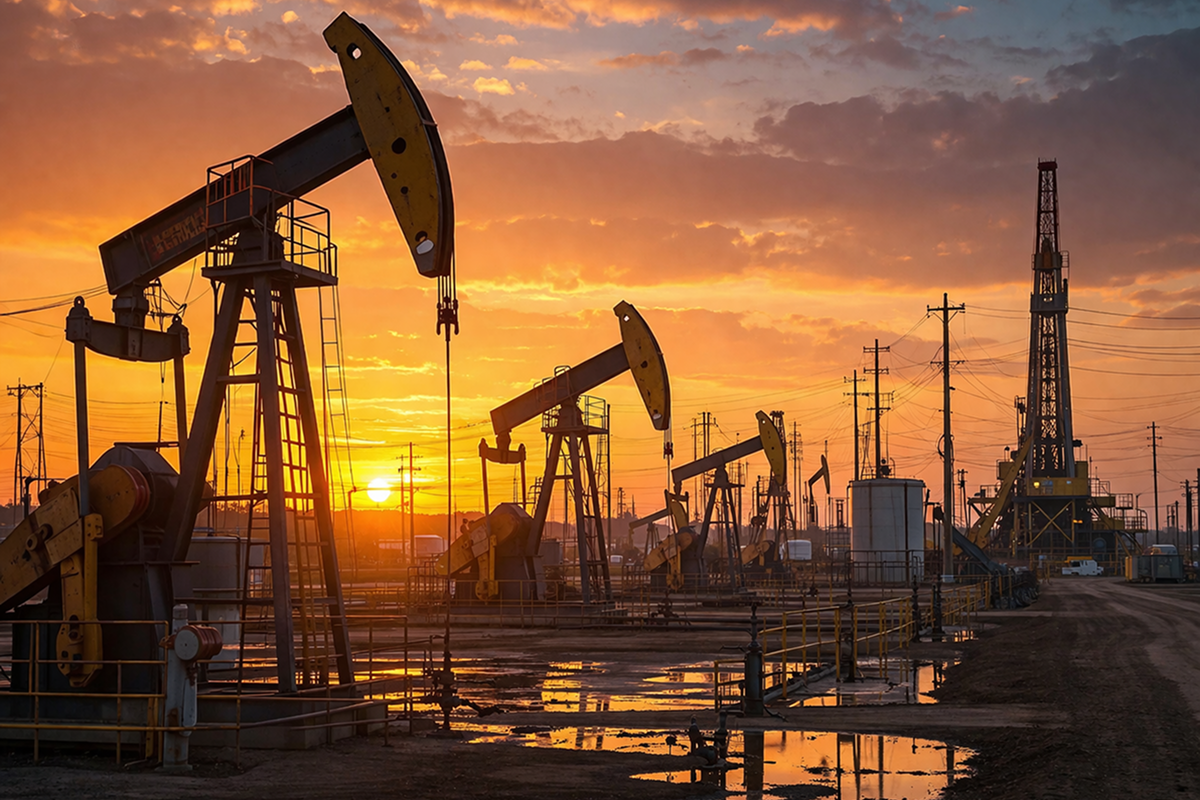
Recent remarks suggesting that the United States is “totally independent of the Middle East” have reignited debate over the realities of global energy markets. While US oil production has reached record levels in recent years, pricing and supply dynamics remain deeply interconnected, underscoring the continued influence of global producers on domestic economic outcomes.
Energy Independence vs. Market Reality
The United States has indeed transformed into one of the world’s largest oil producers, driven largely by the shale revolution and technological advancements in drilling. US crude output has exceeded 13 million barrels per day in recent periods, reducing reliance on direct imports from the Middle East.
However, physical supply independence does not equate to pricing independence. Oil is a globally traded commodity, and benchmark prices such as Brent crude and West Texas Intermediate (WTI) are influenced by worldwide supply-demand balances. Disruptions in the Middle East—home to a significant share of global oil reserves—can quickly impact prices regardless of where oil is produced.
This distinction is critical for investors, as energy costs influence inflation, corporate margins, and monetary policy decisions across global markets, including Israel’s import-sensitive economy.
Middle East Influence on Global Pricing
The Middle East continues to play a central role in global energy markets, particularly through the actions of major producers within OPEC and its allies. Countries such as Saudi Arabia and the United Arab Emirates maintain significant spare production capacity, allowing them to adjust output and influence global price stability.
Even in a scenario where the US produces enough oil to meet domestic demand, global price shocks—triggered by geopolitical tensions or supply disruptions—can lead to higher fuel and energy costs domestically. This is because oil prices are set on international markets, not isolated national systems.
Recent history has demonstrated how conflicts or supply constraints in the Middle East can lead to rapid price increases, affecting transportation, manufacturing, and consumer spending worldwide. For institutional investors, these dynamics reinforce the importance of monitoring geopolitical developments alongside traditional economic indicators.
Implications for Markets and Policy
The perception of energy independence can influence policy decisions, but market realities often impose constraints. Rising oil prices can contribute to inflationary pressures, complicating central bank strategies and potentially delaying interest rate adjustments.
For equity markets, higher energy costs can compress margins for energy-intensive industries while benefiting oil producers. Meanwhile, currency markets may react to shifts in energy trade balances, particularly for countries heavily dependent on imports.
In Israel, where energy imports remain a component of the economic framework despite domestic natural gas developments, global oil price movements continue to have indirect but meaningful effects on inflation and fiscal dynamics.
Looking ahead, investors should focus on the evolving balance between US production growth, OPEC policy decisions, and geopolitical risks. While technological advancements and diversification into renewable energy may reduce long-term dependence on oil, the current system remains highly interconnected. Monitoring supply disruptions, policy shifts, and demand trends will be essential in assessing market direction, as energy continues to serve as a key driver of global economic stability and financial market performance.
Comparison, examination, and analysis between investment houses
Leave your details, and an expert from our team will get back to you as soon as possible
* This article, in whole or in part, does not contain any promise of investment returns, nor does it constitute professional advice to make investments in any particular field.
To read more about the full disclaimer, click here
- sagi habasov
- •
- 9 Min Read
- •
- ago 7 hours
SKN | Is “Mild Stagflation” the New Reality as Oil Stays Near $100 Amid Iran War Disruptions?
Bank of America has sharply revised its global economic outlook, warning that the ongoing Iran conflict is driving a “mild
- ago 7 hours
- •
- 9 Min Read
Bank of America has sharply revised its global economic outlook, warning that the ongoing Iran conflict is driving a “mild

- Ronny Mor
- •
- 5 Min Read
- •
- ago 11 hours
SKN | How Oil Prices Above $100 a Barrel Could Directly Impact Your Finances
Global oil prices have climbed above $100 per barrel, raising concerns about the ripple effects on consumer spending, corporate expenses,
- ago 11 hours
- •
- 5 Min Read
Global oil prices have climbed above $100 per barrel, raising concerns about the ripple effects on consumer spending, corporate expenses,

- omer bar
- •
- 6 Min Read
- •
- ago 12 hours
SKN | Australia Extends $693 Million in Low-Cost Loans to Businesses to Ease Fuel Price Pressures
Amid rising fuel prices and supply constraints, the Australian government has introduced a $693 million low-interest loan program for businesses.
- ago 12 hours
- •
- 6 Min Read
Amid rising fuel prices and supply constraints, the Australian government has introduced a $693 million low-interest loan program for businesses.

- Lior mor
- •
- 5 Min Read
- •
- ago 12 hours
SKN | Australia Invokes Emergency Powers as Fuel Shortages Disrupt Supply Chains
Australian authorities in a key state have triggered emergency powers to tackle a growing fuel crisis that is impacting transport,
- ago 12 hours
- •
- 5 Min Read

Australian authorities in a key state have triggered emergency powers to tackle a growing fuel crisis that is impacting transport,

