


- sagi habasov
- •
- 6 Min Read
- •
- 9 seconds ago
Key Points
- The US Treasury is set to meet with insurance regulators to discuss risks and oversight of private credit markets.
- Private credit activity has surged, raising concerns over leverage, liquidity, and systemic exposure.
- Policymakers aim to balance market growth with investor protection and financial stability.
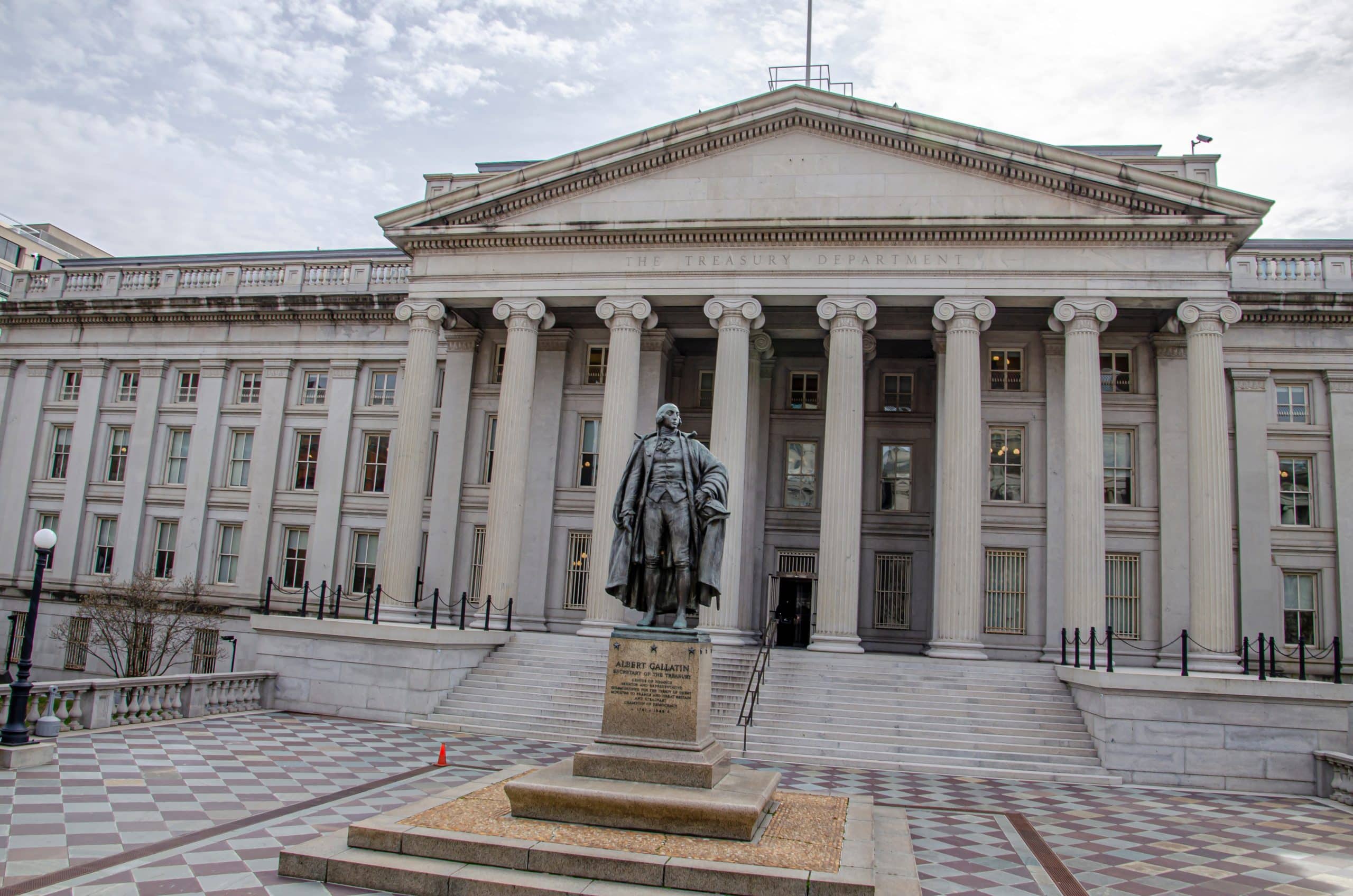
The US Treasury Department has scheduled meetings with insurance regulators to evaluate the growing private credit sector, which has expanded rapidly in recent years. With institutional investors increasingly allocating to private loans and alternative financing, regulators are scrutinizing potential risks to liquidity, leverage, and broader financial stability. The discussions reflect a proactive approach to understanding emerging market dynamics that could affect both insurers’ balance sheets and the wider financial system.
Private Credit Growth and Market Dynamics
Private credit, including direct lending and specialty finance, has seen significant growth as traditional bank lending contracts due to tighter regulations and rising interest rates. Institutional investors, including insurance companies and pension funds, are allocating larger portions of capital to these instruments seeking higher yields. While this expansion supports businesses that may face challenges securing traditional financing, it also introduces risks related to credit quality, leverage, and valuation transparency. Analysts note that insurer participation, given the long-term liabilities on their books, warrants careful monitoring of exposure and stress testing to avoid potential liquidity mismatches in periods of market strain.
Regulatory Considerations and Oversight
The Treasury’s engagement with state insurance regulators aims to evaluate whether current oversight frameworks adequately address the unique risks posed by private credit. Regulators are examining valuation methodologies, collateral management practices, and concentration risks within insurance portfolios. The discussions may also explore reporting standards, stress testing, and contingency planning to ensure that insurers can withstand market dislocations without endangering policyholder interests. By collaborating with insurance authorities, the Treasury seeks to enhance transparency and develop best practices that safeguard financial stability while allowing private credit markets to grow responsibly.
Implications for Investors and Market Participants
Investors and insurers will be closely watching these regulatory conversations, as potential guidance or new oversight measures could influence private credit pricing, liquidity, and portfolio allocation strategies. Any adjustments in disclosure or capital requirements could affect how insurers deploy capital into alternative financing products. Market participants may need to reassess risk management frameworks, particularly in sectors sensitive to credit cycles or economic slowdowns. Additionally, ongoing monitoring of insurer exposure to leveraged loans and direct lending portfolios will be critical for understanding potential spillover effects into broader financial markets.
Looking ahead, the Treasury and insurance regulators are expected to provide clearer guidance on risk management and transparency practices within private credit markets. Key metrics to track include insurer portfolio exposures, stress test results, and potential policy changes at both state and federal levels. Investors, insurers, and other stakeholders will need to evaluate how these regulatory developments influence market confidence, capital deployment strategies, and risk-adjusted returns in the coming months.
Comparison, examination, and analysis between investment houses
Leave your details, and an expert from our team will get back to you as soon as possible
* This article, in whole or in part, does not contain any promise of investment returns, nor does it constitute professional advice to make investments in any particular field.
To read more about the full disclaimer, click here
- sagi habasov
- •
- 7 Min Read
- •
- ago 1 hour
SKN | Are Global Stock Markets Closed for Good Friday and Easter Monday? What Investors Need to Know
Global financial markets periodically pause trading for religious and national holidays, and the Easter period is among the most widely
- ago 1 hour
- •
- 7 Min Read

Global financial markets periodically pause trading for religious and national holidays, and the Easter period is among the most widely

- Ronny Mor
- •
- 9 Min Read
- •
- ago 2 days
SKN | Can GalaxySpace’s IPO Mark a Turning Point in China’s Race to Challenge Starlink?
China’s private space industry is entering a new phase of capital market integration, as satellite manufacturer GalaxySpace begins the formal
- ago 2 days
- •
- 9 Min Read

China’s private space industry is entering a new phase of capital market integration, as satellite manufacturer GalaxySpace begins the formal
- sagi habasov
- •
- 8 Min Read
- •
- ago 1 week
SKN | From Capital Accumulation to Capital Structuring: Why $1M Is No Longer a Strategy
Opening Perspective: When Growth Is No Longer the Core Question For years, the dominant narrative in personal finance was straightforward:
- ago 1 week
- •
- 8 Min Read

Opening Perspective: When Growth Is No Longer the Core Question For years, the dominant narrative in personal finance was straightforward:

- orshu
- •
- 8 Min Read
- •
- ago 1 week
SKN | The South American Dragon Awakens: Is the Bovespa Index Heading for an All-Time High?
While developed markets struggle with sticky inflation and fluctuating interest rates, Brazil's primary stock index, the Bovespa (IBOV), is showing
- ago 1 week
- •
- 8 Min Read

While developed markets struggle with sticky inflation and fluctuating interest rates, Brazil's primary stock index, the Bovespa (IBOV), is showing

