


- omer bar
- •
- 6 Min Read
- •
- 8 seconds ago
Key Points
- SoundHound AI shares declined roughly 20% over the past month, reflecting a broader pullback in speculative AI-linked equities.
- Valuation pressures and profit-taking emerged after a strong prior rally driven by AI enthusiasm.
- Execution risks and profitability concerns continue to weigh on investor sentiment.

SoundHound AI (NASDAQ: SOUN) experienced a sharp pullback over the past month, with shares falling approximately 20% amid a broader reassessment of high-growth artificial intelligence stocks. The decline comes as global markets shift toward earnings visibility and profitability, challenging companies that previously benefited from momentum-driven rallies.
AI Rally Fatigue and Market Repricing
The recent decline in SoundHound AI reflects a wider trend across the technology sector, where investors have begun rotating away from high-multiple AI names into companies with more established earnings profiles. Following a strong rally earlier in the year, driven by optimism around generative AI adoption, valuations for smaller AI firms reached levels that many market participants viewed as stretched.
This repricing has been particularly evident in companies like SoundHound AI, which, despite its strong positioning in voice AI and conversational intelligence, remains in a relatively early stage of monetization. As interest rates remain elevated and capital costs persist, investors are increasingly prioritizing cash flow generation over long-term growth narratives.
For global investors, including those in Israel with exposure to U.S. technology equities, this shift underscores a broader recalibration in risk appetite within the AI segment.
Financial Performance and Profitability Concerns
SoundHound AI’s financial profile continues to play a central role in its stock performance. While the company has reported revenue growth supported by partnerships across automotive, hospitality, and enterprise sectors, it has yet to achieve consistent profitability.
The company’s operating losses and ongoing investments in research and development have raised questions about the timeline to positive free cash flow. In an environment where investors are increasingly focused on margin discipline, such dynamics can lead to heightened volatility in share price.
Additionally, while backlog and contract wins provide visibility into future revenue streams, the pace of conversion into realized earnings remains a key uncertainty. This gap between growth expectations and financial delivery has contributed to the recent decline.
Competitive Landscape and Strategic Positioning
SoundHound AI operates in a highly competitive space alongside major technology players investing heavily in artificial intelligence. Larger firms with greater financial resources continue to expand their capabilities in voice recognition, natural language processing, and AI integration, intensifying pressure on smaller, specialized providers.
At the same time, SoundHound AI has differentiated itself through its proprietary technology and focus on embedded voice solutions. Strategic partnerships, particularly in the automotive sector, remain a potential growth driver. However, the company must demonstrate its ability to scale these relationships into sustainable revenue and margin expansion.
Market participants are also closely watching whether the company can maintain its competitive edge while managing costs effectively, especially as the AI sector matures and competition intensifies.
Looking ahead, SoundHound AI’s trajectory will likely depend on its ability to balance growth with operational execution. Key factors to monitor include progress toward profitability, expansion of commercial partnerships, and broader trends in AI sector valuations. While the recent decline highlights increased market scrutiny, it also reflects a more disciplined investment environment where fundamentals are regaining importance in shaping equity performance.
Comparison, examination, and analysis between investment houses
Leave your details, and an expert from our team will get back to you as soon as possible
* This article, in whole or in part, does not contain any promise of investment returns, nor does it constitute professional advice to make investments in any particular field.
To read more about the full disclaimer, click here
- Ronny Mor
- •
- 7 Min Read
- •
- ago 19 minutes
SKN | GE Vernova (GEV) Stock: Structural Energy Winner or Fully Priced Transition Play?
GE Vernova (NYSE: GEV), the energy-focused spin-off from General Electric, has quickly become a focal point for investors seeking
- ago 19 minutes
- •
- 7 Min Read

GE Vernova (NYSE: GEV), the energy-focused spin-off from General Electric, has quickly become a focal point for investors seeking

- orshu
- •
- 7 Min Read
- •
- ago 1 hour
SKN | Intel (INTC) Jumps After Strategic Shift — Is the Turnaround Gaining Credibility?
Intel Corporation (NASDAQ: INTC) saw its stock climb sharply on April 1, gaining 8.84 percent to close at 48.03,
- ago 1 hour
- •
- 7 Min Read
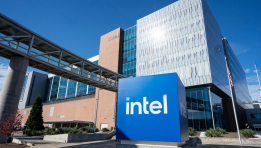
Intel Corporation (NASDAQ: INTC) saw its stock climb sharply on April 1, gaining 8.84 percent to close at 48.03,
- orshu
- •
- 6 Min Read
- •
- ago 3 hours
SKN | Nasdaq Holds Gains as Tech Momentum Builds — Can the Rally Extend Further?
The Nasdaq Composite (^IXIC) is trading higher on April 1, rising to 21,870.86 as of mid-session, as technology stocks
- ago 3 hours
- •
- 6 Min Read

The Nasdaq Composite (^IXIC) is trading higher on April 1, rising to 21,870.86 as of mid-session, as technology stocks

- Lior mor
- •
- 6 Min Read
- •
- ago 4 hours
SKN | Is Nike’s 13% Stock Drop a Warning Sign of Deeper Global Demand Weakness?
Sharp Selloff Signals Investor Concern Nike shares tumbled more than 13%, marking one of the company’s steepest declines in years
- ago 4 hours
- •
- 6 Min Read

Sharp Selloff Signals Investor Concern Nike shares tumbled more than 13%, marking one of the company’s steepest declines in years

