


- Ronny Mor
- •
- 7 Min Read
- •
- 10 seconds ago
Key Points
- GE Vernova’s positioning in the global energy transition has driven strong investor interest since its separation.
- Revenue visibility is supported by electrification and grid modernization trends, though execution risks remain.
- Valuation reflects high expectations, raising questions about upside versus long-term delivery.
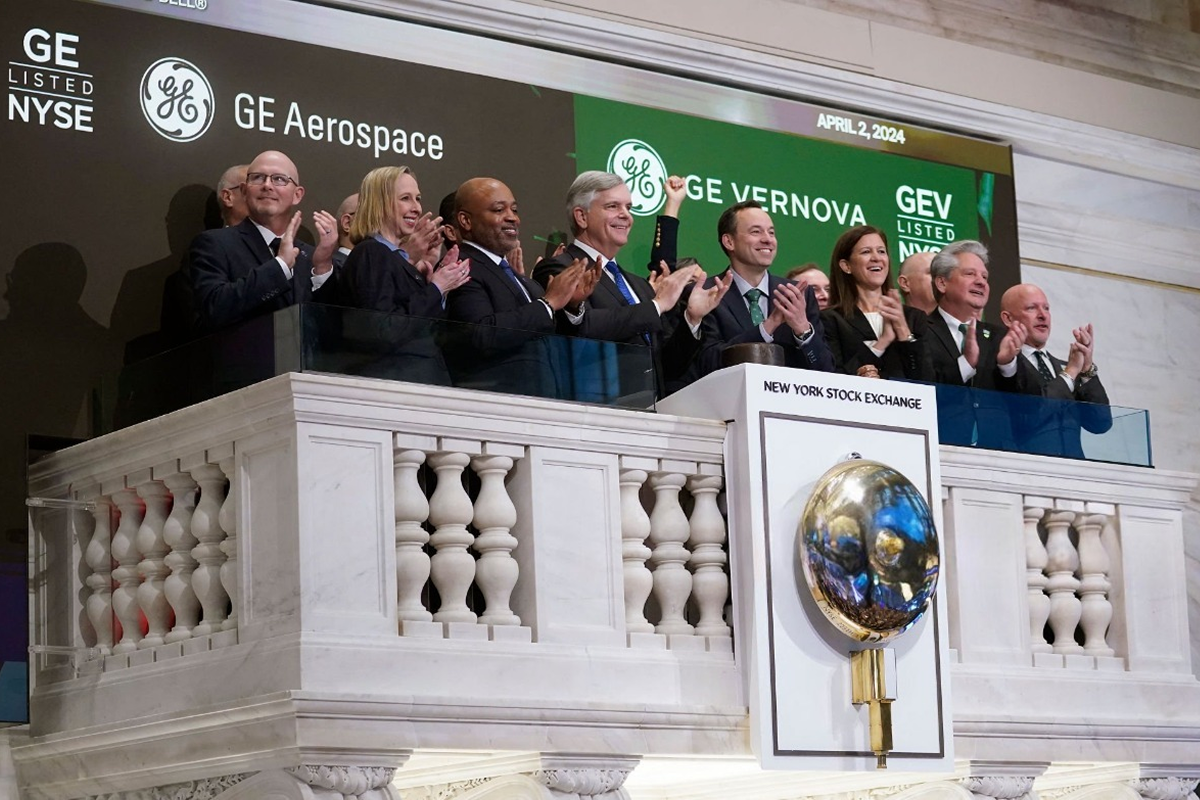
GE Vernova (NYSE: GEV), the energy-focused spin-off from General Electric, has quickly become a focal point for investors seeking exposure to the accelerating global energy transition. As governments and corporations increase spending on electrification and decarbonization, the company’s strategic positioning places it at the center of a multi-decade investment cycle.
Strong Positioning in the Energy Transition
GE Vernova operates across three primary segments—power, wind, and electrification—making it one of the few large-scale platforms directly exposed to both traditional and renewable energy systems. This diversified exposure is increasingly relevant as global energy systems evolve toward hybrid models combining renewables, grid infrastructure, and dispatchable power.
The company benefits from long-term structural tailwinds, particularly in grid modernization and energy security, which have become policy priorities in both the United States and Europe. For Israeli institutional investors, this aligns with broader portfolio themes tied to infrastructure resilience and ESG-linked investments.
However, the wind segment—especially offshore—has faced industry-wide challenges, including rising input costs and project delays. While GE Vernova continues to secure contracts, margin recovery remains a key variable in determining medium-term profitability.
Financial Performance and Margin Trajectory
Recent financial disclosures indicate that GE Vernova is still in a transition phase, with uneven profitability across its segments. While its power and electrification businesses generate relatively stable cash flows, the wind division has weighed on overall margins.
Management has outlined a path toward mid-single-digit to high-single-digit operating margins over the coming years, contingent on cost discipline and improved project execution. Investors are closely monitoring free cash flow generation, which is expected to improve as legacy contracts roll off and pricing adjusts to reflect inflationary pressures.
Revenue growth is supported by a robust order backlog, reflecting sustained demand for turbines, grid solutions, and service agreements. However, the pace of margin expansion will be critical in determining whether current valuations are justified.
Market Valuation and Investor Expectations
Since its market debut, GE Vernova has attracted a premium valuation relative to traditional industrial peers, reflecting its exposure to decarbonization megatrends. This has led to comparisons with both renewable energy developers and diversified industrial technology firms.
The key question for investors is whether the company can deliver on its long-term growth narrative without significant volatility. Current pricing suggests that much of the expected earnings recovery and margin normalization is already embedded in the stock.
In this context, market sensitivity to earnings surprises—both positive and negative—remains elevated. Any delays in project execution or weaker-than-expected margins in the wind segment could trigger near-term volatility.
At the same time, continued policy support for clean energy and infrastructure investment could provide a strong macro backdrop, particularly if interest rates stabilize and capital flows return to long-duration assets.
Looking ahead, investors will focus on GE Vernova’s ability to convert its backlog into profitable growth, improve operational efficiency, and navigate sector-specific challenges. Key catalysts include margin improvement in wind operations, expansion in electrification solutions, and broader macro trends such as energy demand and policy support. While the company is positioned within one of the most significant investment themes of the decade, the balance between execution and valuation will ultimately shape its trajectory in global portfolios.
Comparison, examination, and analysis between investment houses
Leave your details, and an expert from our team will get back to you as soon as possible
* This article, in whole or in part, does not contain any promise of investment returns, nor does it constitute professional advice to make investments in any particular field.
To read more about the full disclaimer, click here
- orshu
- •
- 7 Min Read
- •
- ago 44 minutes
SKN | Intel (INTC) Jumps After Strategic Shift — Is the Turnaround Gaining Credibility?
Intel Corporation (NASDAQ: INTC) saw its stock climb sharply on April 1, gaining 8.84 percent to close at 48.03,
- ago 44 minutes
- •
- 7 Min Read

Intel Corporation (NASDAQ: INTC) saw its stock climb sharply on April 1, gaining 8.84 percent to close at 48.03,
- orshu
- •
- 6 Min Read
- •
- ago 2 hours
SKN | Nasdaq Holds Gains as Tech Momentum Builds — Can the Rally Extend Further?
The Nasdaq Composite (^IXIC) is trading higher on April 1, rising to 21,870.86 as of mid-session, as technology stocks
- ago 2 hours
- •
- 6 Min Read

The Nasdaq Composite (^IXIC) is trading higher on April 1, rising to 21,870.86 as of mid-session, as technology stocks

- Lior mor
- •
- 6 Min Read
- •
- ago 3 hours
SKN | Is Nike’s 13% Stock Drop a Warning Sign of Deeper Global Demand Weakness?
Sharp Selloff Signals Investor Concern Nike shares tumbled more than 13%, marking one of the company’s steepest declines in years
- ago 3 hours
- •
- 6 Min Read

Sharp Selloff Signals Investor Concern Nike shares tumbled more than 13%, marking one of the company’s steepest declines in years

- sagi habasov
- •
- 6 Min Read
- •
- ago 4 hours
SKN | Nike Stock Drops After Earnings — What Are the Key Risks and Turning Points Ahead?
Nike, Inc. (NYSE: NKE) saw its stock decline following its latest earnings report, as investors reacted to signs of
- ago 4 hours
- •
- 6 Min Read

Nike, Inc. (NYSE: NKE) saw its stock decline following its latest earnings report, as investors reacted to signs of

