


- orshu
- •
- 6 Min Read
- •
- 32 seconds ago
Key Points
- Oil prices retreated following reports of potential de-escalation involving Iran.
- Geopolitical risk premium declined, reducing upward pressure on crude markets.
- Energy equities and global markets reacted as investors reassessed risk sentiment.

Global oil prices moved lower after recent highs, as comments suggesting that Iran had sought a ceasefire reduced immediate geopolitical tensions. The pullback reflects a shift in market sentiment, where the risk premium embedded in oil prices began to unwind amid signs of potential de-escalation in the Middle East.
Geopolitical Developments Drive Oil Price Reversal
The recent decline in crude oil prices is closely tied to changing geopolitical dynamics. Markets had previously priced in elevated risk due to tensions in the Middle East, pushing oil toward levels last seen in 2022. However, indications of a possible ceasefire have eased supply disruption concerns, leading to a correction in prices.
Geopolitical risk often plays a significant role in commodity markets, particularly for oil, where supply routes and production hubs are concentrated in politically sensitive regions. As the perceived likelihood of disruption declines, prices tend to adjust accordingly.
This shift highlights the sensitivity of energy markets to political developments, where even preliminary signals of de-escalation can have a material impact on pricing.
Market Reaction Across Energy and Equities
The pullback in oil prices has had a noticeable effect on energy sector equities, including oil producers and refining companies, which often move in tandem with crude prices. Lower oil prices can compress margins for producers while potentially benefiting sectors reliant on energy inputs, such as transportation and manufacturing.
From a broader perspective, declining oil prices can support global equity markets by easing inflationary pressures, which in turn may influence central bank policy expectations. This dynamic can contribute to improved sentiment across risk assets, particularly in sectors sensitive to input costs.
For investors in Israel, developments in the energy market are particularly relevant given the country’s proximity to key geopolitical regions and its involvement in energy exploration and production. Changes in oil prices can influence both local energy companies and broader market sentiment.
Macro Implications and Strategic Considerations
The decline in oil prices also has broader macroeconomic implications. Lower energy costs can reduce inflationary pressures, potentially supporting consumer spending and economic growth. However, they may also signal weaker demand expectations if driven by broader economic concerns.
At the same time, global energy markets remain influenced by supply-side factors such as production decisions by major exporters and inventory levels. While geopolitical developments are currently driving price movements, underlying supply-demand dynamics will continue to play a critical role.
Investors are also monitoring how central banks respond to changing energy prices, as this can influence interest rate trajectories and overall market conditions.
Looking ahead, the trajectory of oil prices will depend on the continuation of geopolitical developments, supply decisions, and global demand trends. Key factors to watch include updates on Middle East tensions, OPEC+ policy actions, and economic data that could influence energy consumption. While the recent pullback reflects easing tensions, volatility is likely to remain elevated as markets respond to rapidly evolving geopolitical and macroeconomic conditions.
Comparison, examination, and analysis between investment houses
Leave your details, and an expert from our team will get back to you as soon as possible
* This article, in whole or in part, does not contain any promise of investment returns, nor does it constitute professional advice to make investments in any particular field.
To read more about the full disclaimer, click here
- orshu
- •
- 6 Min Read
- •
- ago 54 minutes
SKN | Gold ETF Gains Momentum — Is iShares Gold Trust (IAU) Reflecting Renewed Safe-Haven Demand?
The iShares Gold Trust (NYSEARCA: IAU) is trading higher on April 1, reaching 89.79 as investors rotate toward safe-haven
- ago 54 minutes
- •
- 6 Min Read

The iShares Gold Trust (NYSEARCA: IAU) is trading higher on April 1, reaching 89.79 as investors rotate toward safe-haven

- Ronny Mor
- •
- 7 Min Read
- •
- ago 2 hours
SKN | Is Gold’s Rally Signaling a Shift Back to Safe-Haven Demand as Iran War Nears Turning Point?
Gold Rebounds as Markets Reassess War Trajectory Gold prices extended a strong three-day rally, climbing as much as 2.7% toward
- ago 2 hours
- •
- 7 Min Read

Gold Rebounds as Markets Reassess War Trajectory Gold prices extended a strong three-day rally, climbing as much as 2.7% toward
- orshu
- •
- 6 Min Read
- •
- ago 4 hours
SKN | European Markets Surge Broadly as Risk Appetite Strengthens Across the Region
European markets closed sharply higher on April 1, with major indices across the region posting strong gains as investor
- ago 4 hours
- •
- 6 Min Read
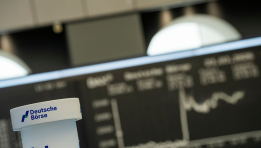
European markets closed sharply higher on April 1, with major indices across the region posting strong gains as investor
- orshu
- •
- 6 Min Read
- •
- ago 7 hours
SKN | US Markets Rally as Small Caps Lead While Volatility Declines
US markets are trading higher on April 1, with gains across major indices reflecting improving risk sentiment and continued
- ago 7 hours
- •
- 6 Min Read

US markets are trading higher on April 1, with gains across major indices reflecting improving risk sentiment and continued

