


- omer bar
- •
- 6 Min Read
- •
- 5 minutes ago
Key Points
- Gold prices climbed on bets that the Federal Reserve may cut interest rates in the near term.
- Investor sentiment was further affected by recent comments from former U.S. President Donald Trump regarding potential geopolitical tensions.
- Precious metals markets remain sensitive to macroeconomic indicators and U.S. policy developments, reflecting ongoing uncertainty in global financial markets.

Gold prices gained ground as investors weighed expectations of a potential Federal Reserve rate cut alongside market reactions to remarks from former U.S. President Donald Trump regarding geopolitical risk. The combined influence of monetary policy speculation and political commentary added upward momentum to bullion, reflecting heightened demand for safe-haven assets amid ongoing uncertainty. Analysts noted that these dynamics underscore the interplay between U.S. monetary policy, political developments, and global commodity markets.
Impact of Fed Rate-Cut Expectations
Market participants increasingly price in the possibility of a rate reduction by the Federal Reserve, anticipating that easing monetary policy could support economic growth while keeping borrowing costs low. This expectation has historically strengthened gold, as lower interest rates reduce the opportunity cost of holding non-yielding assets. Recent futures contracts suggest that traders are factoring in a meaningful probability of rate cuts within the next 12 months, which has contributed to the recent uptick in bullion prices. Analysts highlight that central bank policy signals remain the primary driver for short-term precious metals trends, with investors closely monitoring inflation data, employment reports, and Fed communications for indications of timing and magnitude.
Geopolitical and Political Influences
Comments from Donald Trump on potential geopolitical conflicts added another layer of risk sentiment that benefitted safe-haven assets such as gold. Markets responded to the possibility of heightened global uncertainty, with traders factoring in the impact on international trade, supply chains, and energy prices. While the remarks are political rather than policy-driven, historical patterns suggest that such commentary can influence investor behavior, particularly in sectors sensitive to macroeconomic volatility. Analysts caution that while geopolitical risk can provide short-term boosts to gold, sustained price trends depend on broader economic and financial conditions.
Market Dynamics and Investor Considerations
The gold market continues to reflect a balancing act between rising interest in risk-off assets and the broader context of economic data and financial market signals. Portfolio managers and institutional investors monitor gold futures, ETFs, and physical bullion holdings as part of hedging strategies against potential volatility. Additionally, correlations with the U.S. dollar, bond yields, and equity market fluctuations remain important indicators for gold performance. Analysts suggest that monitoring Federal Reserve guidance, geopolitical developments, and key macroeconomic releases will be critical for understanding potential price trajectories in the near term.
Looking forward, gold prices are likely to remain sensitive to shifts in U.S. monetary policy expectations and emerging geopolitical developments. Investors and market participants should track Fed communications, global risk indicators, and political events that could influence the supply-demand balance for precious metals. The evolving interaction between policy expectations and market sentiment will continue to shape the outlook for gold and related commodities, highlighting the importance of real-time data and strategic analysis in navigating market volatility.
Comparison, examination, and analysis between investment houses
Leave your details, and an expert from our team will get back to you as soon as possible
* This article, in whole or in part, does not contain any promise of investment returns, nor does it constitute professional advice to make investments in any particular field.
To read more about the full disclaimer, click here
- sagi habasov
- •
- 7 Min Read
- •
- ago 2 hours
SKN | U.S. Eyes Alternatives After WTO Talks Fail to Renew E‑Commerce Moratorium
Global trade negotiations at the World Trade Organization’s (WTO) 14th ministerial meeting in Yaoundé, Cameroon concluded without agreement on extending
- ago 2 hours
- •
- 7 Min Read

Global trade negotiations at the World Trade Organization’s (WTO) 14th ministerial meeting in Yaoundé, Cameroon concluded without agreement on extending

- Ronny Mor
- •
- 7 Min Read
- •
- ago 5 hours
SKN | Is the Fed Signaling a Pause Despite Rising Oil Prices and Inflation Fears?
Fed Signals Patience in the Face of Energy-Driven Inflation Jerome Powell has made it clear that the Federal Reserve is
- ago 5 hours
- •
- 7 Min Read
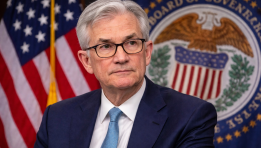
Fed Signals Patience in the Face of Energy-Driven Inflation Jerome Powell has made it clear that the Federal Reserve is
- sagi habasov
- •
- 7 Min Read
- •
- ago 7 hours
SKN | Could the Fed Cut Rates Despite Rising Oil Prices and Inflation Fears?
Fed Debate Intensifies as Rate Cut Calls Emerge A growing divide is emerging within the Federal Reserve as policymakers weigh
- ago 7 hours
- •
- 7 Min Read

Fed Debate Intensifies as Rate Cut Calls Emerge A growing divide is emerging within the Federal Reserve as policymakers weigh

- omer bar
- •
- 7 Min Read
- •
- ago 3 days
SKN | Is the Federal Reserve Preparing to Raise Rates Again as Inflation Fears Resurface?
The bond market is sending a clear message: expectations for Federal Reserve rate cuts are fading, and the possibility of
- ago 3 days
- •
- 7 Min Read

The bond market is sending a clear message: expectations for Federal Reserve rate cuts are fading, and the possibility of


