


- Lior mor
- •
- 6 Min Read
- •
- 10 hours ago
Key Points
- Brent crude rose above $90 per barrel as tensions in the Middle East intensified following Houthi attacks on Israel, heightening geopolitical risk.
- Market volatility reflects concerns over potential disruptions to oil supply routes in the Red Sea and Gulf of Oman.
- Traders are weighing regional escalation against global demand recovery, creating uncertainty in commodities markets.
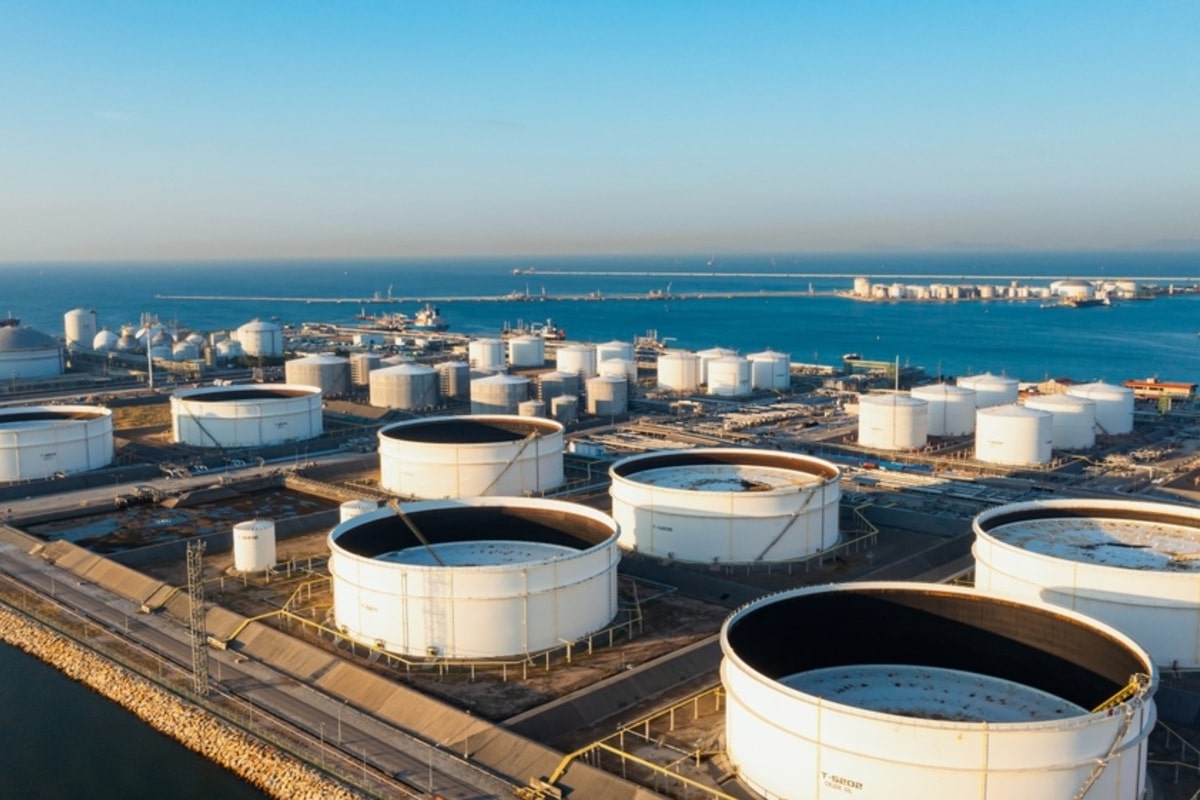
Oil prices surged on heightened geopolitical tensions after reported Houthi attacks on Israel, fueling concerns over broader regional conflict involving Iran. Brent crude climbed past $90 per barrel, while West Texas Intermediate (WTI) posted gains near $86, reflecting investor anxiety over potential disruptions to key shipping routes that support global energy flows. For global markets, the spike underscores the sensitivity of oil prices to Middle East volatility amid already tight supply conditions.
Middle East Tensions and Supply Risks
The Houthi missile and drone attacks on Israel are viewed by analysts as part of a broader pattern of Iranian-aligned regional activity, raising fears of escalation across the Levant and the Gulf. Shipping lanes in the Red Sea and Gulf of Oman, which handle a significant portion of global crude exports, remain critical points of vulnerability. Even minor disruptions in these routes can ripple through global supply chains, exacerbating price volatility.
While no immediate blockage of oil tankers has been reported, traders are factoring in the potential for extended conflict, particularly if Iran or other regional actors increase their involvement. Insurance premiums for vessels navigating conflict-prone waters have already risen, reflecting the market’s growing risk perception.
Market Response and Price Dynamics
The spike in oil prices comes on top of already constrained global supply due to OPEC+ production discipline and lingering post-pandemic inventory tightness. Brent’s recent surge of more than 3% in a single session illustrates the market’s acute sensitivity to geopolitical shocks. Investors are closely monitoring futures markets, with short-term volatility likely to remain elevated as developments unfold in Israel and surrounding regions.
Energy analysts note that even if the conflict does not escalate into full-scale war, persistent uncertainty could continue to support oil prices in the near term. Traders are balancing these risk premiums against demand projections, particularly as economic growth in Asia and Europe shows signs of moderation.
Strategic Implications for Global Energy Markets
The renewed Middle East instability has highlighted the fragility of oil supply chains, with potential implications for energy-importing countries, including Israel. Stockpiles and strategic reserves may provide temporary buffers, but sustained disruptions could force governments to reconsider fuel allocations and pricing policies.
For global energy markets, the events underscore how localized conflict can have outsized effects on commodities pricing, shipping insurance, and investor sentiment. Energy firms and trading houses are likely to adjust logistics and hedging strategies in response to heightened risk, keeping oil markets on edge.
Looking ahead, the trajectory of Houthi-Israel hostilities and Iran’s regional posture will remain critical for price direction. Market participants will monitor shipping activity, insurance trends, and regional diplomatic developments to gauge potential disruptions. Volatility is expected to persist, with oil traders assessing the balance between geopolitical risk premiums and global demand resilience.
Comparison, examination, and analysis between investment houses
Leave your details, and an expert from our team will get back to you as soon as possible
* This article, in whole or in part, does not contain any promise of investment returns, nor does it constitute professional advice to make investments in any particular field.
To read more about the full disclaimer, click here
- Lior mor
- •
- 7 Min Read
- •
- ago 3 hours
SKN | Can Gold Sustain Its $4,500 Rebound as Middle East Tensions Deepen and Markets Reprice Risk?
Gold has regained footing above the $4,500 mark, marking its first weekly advance since the outbreak of the Middle East
- ago 3 hours
- •
- 7 Min Read

Gold has regained footing above the $4,500 mark, marking its first weekly advance since the outbreak of the Middle East
- Lior mor
- •
- 7 Min Read
- •
- ago 5 hours
SKN | Is Aluminum Facing a Major Supply Shock After Middle East Strikes?
Supply Shock Fears Push Aluminum Higher Aluminum markets are bracing for a sharp upward move after Iranian strikes hit two
- ago 5 hours
- •
- 7 Min Read

Supply Shock Fears Push Aluminum Higher Aluminum markets are bracing for a sharp upward move after Iranian strikes hit two

- omer bar
- •
- 7 Min Read
- •
- ago 5 hours
SKN | Rio Tinto Restarts Pilbara Port Operations After Cyclone Narelle: What It Means for Global Iron Ore Supply
Global mining giant Rio Tinto has resumed operations at three major port terminals in Western Australia’s Pilbara region after temporary
- ago 5 hours
- •
- 7 Min Read

Global mining giant Rio Tinto has resumed operations at three major port terminals in Western Australia’s Pilbara region after temporary
- Lior mor
- •
- 6 Min Read
- •
- ago 9 hours
SKN | Stock Markets Sell Off as Iran Conflict Escalates, Oil Prices Surge
Global stock markets experienced broad-based declines as escalating conflict involving Iran-driven forces intensified geopolitical risk. Investors reacted to reports of
- ago 9 hours
- •
- 6 Min Read

Global stock markets experienced broad-based declines as escalating conflict involving Iran-driven forces intensified geopolitical risk. Investors reacted to reports of


