





- Ronny Mor
- •
- 5 Min Read
- •
- 4 months ago
Key Points
- Federal Reserve official Jefferson anticipates near-term inflation pressure linked to geopolitical tensions in Iran.
- Signals suggest the Fed may hold interest rates steady in upcoming meetings despite elevated inflation risks.
- Investors are assessing energy markets, supply chain disruptions, and broader macroeconomic impacts on U.S. and global growth.
Global financial markets are closely monitoring comments from Federal Reserve Governor Jefferson, who highlighted the potential for higher inflation in the near term due to the ongoing conflict involving Iran. His remarks come as investors weigh geopolitical risks, energy price volatility, and their implications for monetary policy and broader economic growth.
Geopolitical Risks and Inflation Pressures
Jefferson noted that disruptions linked to the Iran conflict could exacerbate energy prices, impacting headline inflation in the United States. Crude oil futures have already shown increased volatility, with Brent crude approaching $90 per barrel following heightened Middle East tensions. Analysts suggest that even temporary supply constraints could reverberate through consumer goods, transportation, and manufacturing costs, influencing inflation expectations and spending behavior. For global investors, such developments underscore the interconnectedness of geopolitical events and domestic price stability.
Fed Policy Signals and Market Reaction
While acknowledging the inflationary pressures, Jefferson indicated that the Federal Reserve may maintain current interest rate levels in the short term. Market participants interpreted these comments as a signal that the central bank is balancing inflation concerns with the need to sustain economic growth. Treasury yields reacted modestly, reflecting expectations that any rate adjustments would be gradual, and equities showed sector-specific sensitivity, particularly in energy and industrial stocks. Analysts emphasize that forward guidance from the Fed will be pivotal in shaping investor sentiment amid ongoing geopolitical uncertainty.
Macroeconomic Implications and Strategic Considerations
The potential inflation uptick linked to Iran has broader implications for fiscal policy, corporate earnings, and global supply chains. Higher energy costs may pressure transportation and manufacturing margins, while consumer spending patterns could shift if inflation expectations rise. For Israel and global investors, monitoring these macroeconomic indicators is critical, as they could influence export demand, capital flows, and risk management strategies. Analysts recommend close attention to U.S. inflation data, Federal Reserve statements, and developments in Middle East geopolitics to assess potential impacts on portfolio performance and market volatility.
Looking forward, investors and policymakers will watch how inflation metrics evolve in response to geopolitical events and energy market dynamics. Key factors include the Fed’s communication on policy direction, the persistence of supply chain disruptions, and broader macroeconomic resilience. Effective risk assessment and scenario planning will be essential in navigating short-term uncertainty while anticipating the potential for policy adjustments later in the year.
Comparison, examination, and analysis between investment houses
Leave your details, and an expert from our team will get back to you as soon as possible
* This article, in whole or in part, does not contain any promise of investment returns, nor does it constitute professional advice to make investments in any particular field.
To read more about the full disclaimer, click here
- omer bar
- •
- 6 Min Read
- •
- ago 1 day
SKN | Is the Bank of Japan Preparing for a More Aggressive Fight Against Inflation?
Japan's long-standing era of ultra-loose monetary policy is facing renewed scrutiny after a prominent inflation expert suggested the Bank of
- ago 1 day
- •
- 6 Min Read

Japan's long-standing era of ultra-loose monetary policy is facing renewed scrutiny after a prominent inflation expert suggested the Bank of

- sagi habasov
- •
- 6 Min Read
- •
- ago 1 day
SKN | Middle East Escalation Drives Oil Prices Up: How Will the Fed Respond?
The Middle East is experiencing a sharp military escalation, triggering significant volatility across global energy markets. A ballistic missile
- ago 1 day
- •
- 6 Min Read
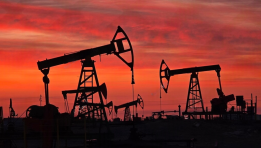
The Middle East is experiencing a sharp military escalation, triggering significant volatility across global energy markets. A ballistic missile

- Ronny Mor
- •
- 7 Min Read
- •
- ago 3 days
SKN | Oil Prices are Climbing, But Interest Rates Will Likely Pause: What Does This Mean for Your Money?
Why Would Oil Prices Rise, But Not Interest Rates? The U.S. central bank is in an interesting spot right now.
- ago 3 days
- •
- 7 Min Read
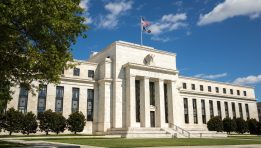
Why Would Oil Prices Rise, But Not Interest Rates? The U.S. central bank is in an interesting spot right now.

- orshu
- •
- 7 Min Read
- •
- ago 6 days
SKN | Gold Advances as Investors Balance Geopolitical Risks, Oil Prices, and Fed Rate Expectations
Gold prices strengthened on Friday as investors sought protection against geopolitical uncertainty while evaluating the potential impact of energy
- ago 6 days
- •
- 7 Min Read

Gold prices strengthened on Friday as investors sought protection against geopolitical uncertainty while evaluating the potential impact of energy


