


- sagi habasov
- •
- 7 Min Read
- •
- 17 minutes ago
Key Points
- Donald Trump urges Iran to negotiate immediately, signaling potential escalation in geopolitical tensions.
- Energy markets and inflation expectations are highly sensitive to developments in the Middle East.
- Global investors shift toward defensive positioning as uncertainty surrounding conflict risks intensifies.
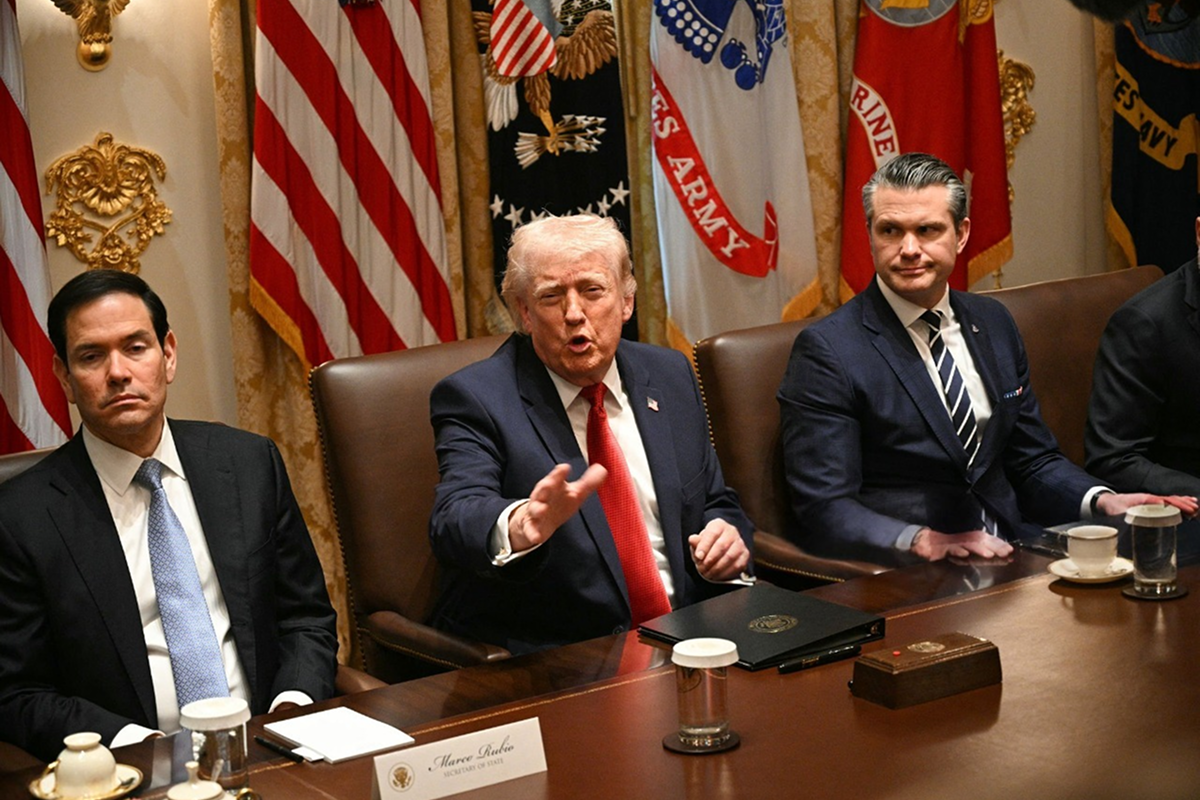
Geopolitical tensions in the Middle East have intensified after Donald Trump called on Iran to negotiate a deal before it becomes “too late,” underscoring the fragile state of regional stability. The statement arrives at a time when financial markets are already grappling with elevated volatility, with investors increasingly focused on geopolitical risk as a key driver of global asset prices.
Diplomatic Pressure and Escalation Risks
Trump’s remarks reflect a broader shift toward heightened political pressure on Iran, raising questions about whether diplomatic engagement or further escalation is more likely in the near term. While no formal negotiations have been confirmed, the rhetoric itself can influence market sentiment by increasing uncertainty around future developments.
The Middle East remains a strategically critical region for global markets, particularly due to its role in energy production and transportation. The Strait of Hormuz, through which a significant share of global oil supply flows, continues to be a focal point for geopolitical risk assessments. Any disruption—whether actual or anticipated—can quickly translate into price volatility across commodities.
For investors, this type of geopolitical signaling often leads to rapid repricing of risk, even in the absence of concrete policy changes.
Energy Markets and Inflation Transmission
The most immediate market impact of rising tensions is typically observed in oil prices. Even the perception of supply risk can drive prices higher, as traders factor in potential disruptions. Higher energy costs have a direct effect on inflation dynamics, influencing both consumer prices and corporate margins.
This creates a complex challenge for central banks, particularly the Federal Reserve, which must balance inflation control with economic growth. A sustained increase in oil prices could delay expectations for monetary easing, reinforcing a higher interest rate environment for longer than previously anticipated.
For equity markets, rising input costs can pressure profitability, especially in energy-sensitive sectors such as transportation, manufacturing, and consumer goods. This dynamic often leads to sector rotation, with investors favoring energy producers and defensive industries.
Global Market Implications and Regional Sensitivity
The implications of escalating tensions extend beyond energy markets. Increased uncertainty typically drives demand for safe-haven assets, including the U.S. dollar and government bonds, while equities may experience heightened volatility.
For Israel and neighboring economies, geopolitical developments carry additional significance. Regional instability can directly affect investment flows, currency stability, and risk perception among international investors. At the same time, sectors such as defense and cybersecurity may see increased attention due to rising security concerns.
Globally, the situation underscores the growing importance of geopolitical factors in shaping financial markets. Investors are increasingly required to incorporate political risk into their strategies, alongside traditional economic indicators.
Looking ahead, market participants will closely track any signals of diplomatic engagement or further escalation between the U.S. and Iran. Key indicators include movements in oil prices, changes in volatility levels, and central bank responses to shifting inflation expectations. While a negotiated outcome could stabilize markets and reduce risk premiums, continued uncertainty may sustain volatility and reinforce defensive positioning across asset classes. The balance between geopolitical developments and macroeconomic conditions will remain a critical driver of global market direction in the near term.
Comparison, examination, and analysis between investment houses
Leave your details, and an expert from our team will get back to you as soon as possible
* This article, in whole or in part, does not contain any promise of investment returns, nor does it constitute professional advice to make investments in any particular field.
To read more about the full disclaimer, click here
- orshu
- •
- 6 Min Read
- •
- ago 4 minutes
SKN | Stock Futures Slide as Trump’s Iran Warning Triggers Global Risk Repricing
U.S. stock futures declined as markets reacted to escalating geopolitical rhetoric after Donald Trump warned Iran to get “serious”
- ago 4 minutes
- •
- 6 Min Read
U.S. stock futures declined as markets reacted to escalating geopolitical rhetoric after Donald Trump warned Iran to get “serious”

- Lior mor
- •
- 6 Min Read
- •
- ago 5 minutes
SKN | Are Rising Oil Prices Triggering a Market Pullback as Geopolitical Risks Intensify?
The S&P 500 retreated on Thursday as a renewed surge in oil prices and escalating geopolitical rhetoric between the United
- ago 5 minutes
- •
- 6 Min Read

The S&P 500 retreated on Thursday as a renewed surge in oil prices and escalating geopolitical rhetoric between the United
- orshu
- •
- 7 Min Read
- •
- ago 1 hour
SKN | Israel Market Close – March 26, 2026: Tel Aviv Stocks Slip as Large Caps Weaken Despite Mid-Cap Resilience
Israeli financial markets closed on March 26, 2026 with moderate losses, as weakness in large-cap and value stocks weighed on
- ago 1 hour
- •
- 7 Min Read

Israeli financial markets closed on March 26, 2026 with moderate losses, as weakness in large-cap and value stocks weighed on
- orshu
- •
- 6 Min Read
- •
- ago 10 hours
SKN | Israeli Markets Show Mixed Trends as Tech and Bond Sectors Diverge
The Israeli equity market opened with mixed dynamics, as the TA-35 index edged lower to 4,292.87 points, down 0.38%, while
- ago 10 hours
- •
- 6 Min Read

The Israeli equity market opened with mixed dynamics, as the TA-35 index edged lower to 4,292.87 points, down 0.38%, while

