


- Lior mor
- •
- 8 Min Read
- •
- 1 hour ago
Key Points
- West Texas Intermediate surged above $92 as U.S.–Iran tensions escalated, with markets reacting sharply to conflicting geopolitical signals.
- Oil markets are shifting into a volatility-driven regime, where headlines and geopolitical developments are driving rapid price swings.
- The Strait of Hormuz remains the key risk, with supply disruptions keeping inflation pressure and global uncertainty elevated.

Oil markets are swinging sharply again as conflicting geopolitical signals reshape expectations around supply disruptions and diplomacy. West Texas Intermediate (WTI) crude climbed above $92 per barrel, recovering losses from the previous session, as traders reacted to Iran’s rejection of ceasefire talks alongside continued U.S. diplomatic efforts.
The rebound highlights a deeper shift in market behavior. Oil is no longer trading on stable fundamentals alone — it is increasingly driven by fast-changing geopolitical narratives. Each headline now has the power to move prices significantly, reinforcing a highly reactive trading environment.
For investors, this signals that volatility is not temporary. It is becoming structural.
Conflicting Signals Drive a Rapid Market Repricing
The latest move higher in oil prices reflects renewed uncertainty after Iran made clear it has no intention of entering negotiations with the United States. Instead, Tehran outlined its own conditions, including maintaining control over the Strait of Hormuz.
At the same time, Washington continues to push for de-escalation, reportedly advancing a multi-point proposal aimed at restoring stability and reopening shipping lanes.
This divergence is critical.
On one side, diplomacy suggests a potential easing of supply risks. On the other, geopolitical resistance points to prolonged disruption. Markets are now forced to price both outcomes simultaneously, resulting in sharp and frequent reversals.
WTI crude rising above $92 — with gains of more than 3% on the day and strong momentum over recent weeks — reflects how aggressively traders are responding to this uncertainty.
Strait of Hormuz Remains the Key Supply Risk
At the center of the crisis is the Strait of Hormuz, one of the most strategically important energy chokepoints in the world.
Disruptions in this corridor have already removed significant supply from the market, tightening global availability and increasing price pressure. Even partial restrictions can have an outsized impact, given the volume of oil that passes through the route.
The effects are spreading globally. Countries across the Asia-Pacific region, including South Korea, Australia, and the Philippines, are facing growing fuel supply concerns, highlighting how regional disruptions can quickly escalate into broader energy challenges.
The importance of Hormuz means that any shift — whether reopening or further restriction — could trigger rapid price movements in either direction.
Oil Markets Enter a High-Volatility Phase
Recent price action suggests that oil markets are entering a new regime defined by heightened volatility.
Sharp gains followed by quick reversals are becoming more common, reflecting a market that is struggling to price uncertainty rather than relying on traditional supply-demand dynamics.
This shift has wide-reaching implications.
For businesses, volatile energy prices make planning and cost management more difficult. For investors, it increases risk while also creating short-term trading opportunities. For policymakers, it complicates efforts to manage inflation and support economic stability.
Elevated oil prices continue to feed into inflation expectations, adding pressure on central banks to maintain tighter monetary policies even as growth risks increase.
Global Markets Adjust to Persistent Energy Uncertainty
The ripple effects of oil volatility are being felt across financial markets.
Equities tied to transportation and manufacturing face pressure from rising costs, while currencies in energy-importing economies remain vulnerable. At the same time, bond markets are adjusting to the possibility of prolonged inflation driven by higher energy prices.
This environment is forcing investors to reassess positioning. Flexibility and short-term strategies are becoming more important as long-term visibility remains limited.
The shift also reinforces a broader trend highlighted in market analysis, where geopolitical risks increasingly shape financial outcomes beyond traditional economic indicators.
Outlook: Markets Caught Between Diplomacy and Disruption
Looking ahead, the direction of oil prices will depend heavily on geopolitical developments.
If diplomatic efforts gain traction, supply concerns could ease and prices may stabilize or decline. However, continued resistance and prolonged disruption in key transit routes could sustain upward pressure and reinforce volatility.
Markets are now caught between two competing forces — diplomacy and disruption — both capable of reshaping the outlook within hours.
The Bottom Line
Oil is no longer just reacting to supply — it is reacting to uncertainty.
Prices are rising as risks intensify.
Volatility is increasing as clarity remains limited.
Until tensions ease or supply routes stabilize, oil markets are likely to remain unpredictable, with significant implications for global growth and financial stability.
Comparison, examination, and analysis between investment houses
Leave your details, and an expert from our team will get back to you as soon as possible
* This article, in whole or in part, does not contain any promise of investment returns, nor does it constitute professional advice to make investments in any particular field.
To read more about the full disclaimer, click here
- omer bar
- •
- 9 Min Read
- •
- ago 2 hours
SKN | Could Iran’s Hormuz Toll Plan Reshape Global Oil Trade and Shipping Economics?
Iran’s move to formalize tolls for vessels passing through the Strait of Hormuz signals a potential turning point in global
- ago 2 hours
- •
- 9 Min Read

Iran’s move to formalize tolls for vessels passing through the Strait of Hormuz signals a potential turning point in global
- omer bar
- •
- 6 Min Read
- •
- ago 13 hours
SKN | Oil Rebounds Amid Middle East Tensions—Are Markets Underestimating the Supply Shock?
Oil prices edged higher as geopolitical uncertainty in the Middle East continues to dominate market sentiment, highlighting the fragile balance
- ago 13 hours
- •
- 6 Min Read
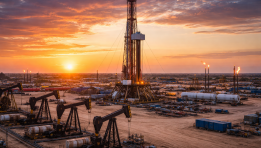
Oil prices edged higher as geopolitical uncertainty in the Middle East continues to dominate market sentiment, highlighting the fragile balance

- Lior mor
- •
- 9 Min Read
- •
- ago 1 day
SKN | Is Oil’s Sudden Drop Signaling a Shift From War Premium to Diplomacy Risk?
Brent crude prices fell sharply below $100 per barrel, dropping roughly 5% and reversing the previous session’s gains as markets
- ago 1 day
- •
- 9 Min Read
Brent crude prices fell sharply below $100 per barrel, dropping roughly 5% and reversing the previous session’s gains as markets

- sagi habasov
- •
- 9 Min Read
- •
- ago 1 day
SKN | Strait of Hormuz Crisis: Why Western Powers May Face a Harder Test Than the Red Sea Failure
The escalating crisis around the Strait of Hormuz is rapidly becoming one of the most consequential geopolitical risks for global
- ago 1 day
- •
- 9 Min Read
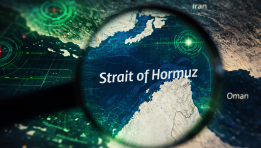
The escalating crisis around the Strait of Hormuz is rapidly becoming one of the most consequential geopolitical risks for global

