


- Lior mor
- •
- 6 Min Read
- •
- 6 hours ago
Key Points
- A Brookings Institution paper outlines potential strategies for reducing the Federal Reserve’s $9 trillion balance sheet.
- Gradual runoff and policy coordination are emphasized to minimize market disruptions.
- The study highlights implications for interest rates, liquidity, and financial stability as central banks unwind post-crisis stimulus.
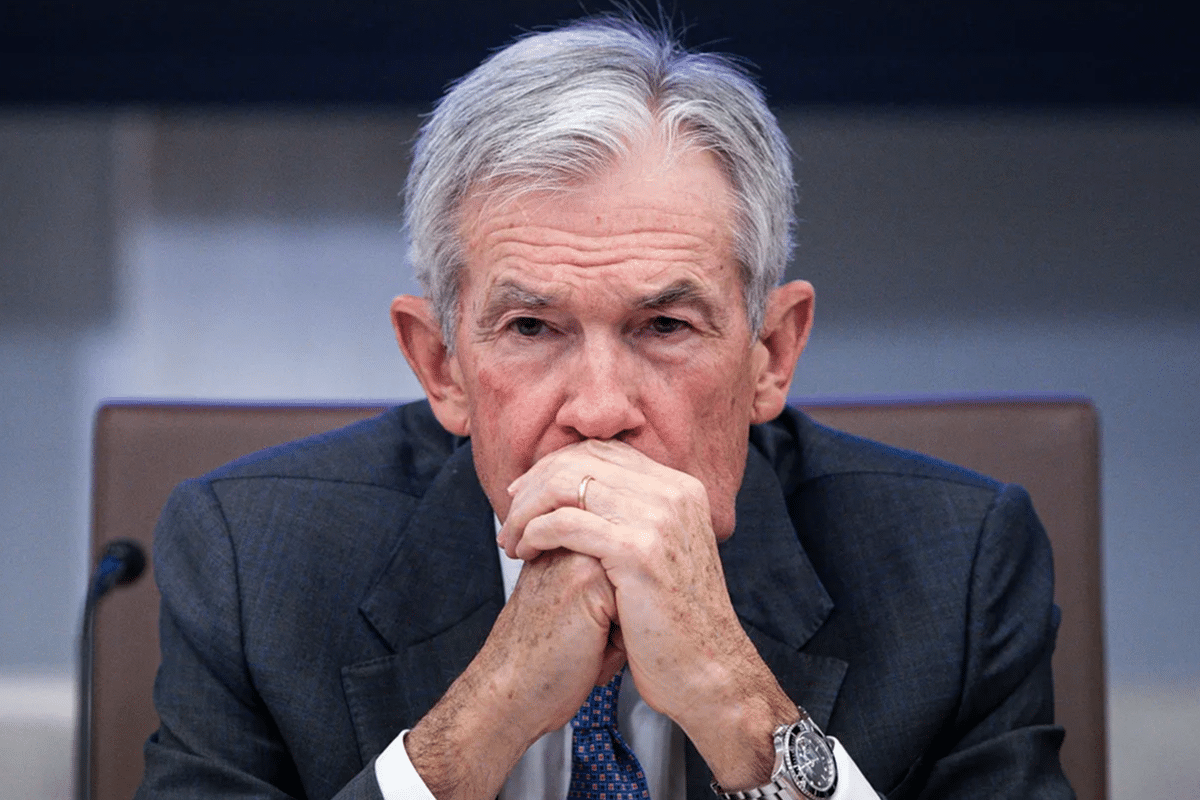
The Federal Reserve’s unprecedented expansion of its balance sheet during the COVID-19 pandemic and subsequent economic interventions has left policymakers facing complex challenges. A new paper from the Brookings Institution offers a detailed roadmap for gradually shrinking the Fed’s holdings of Treasury securities and mortgage-backed securities, balancing financial stability with the need to normalize monetary policy.
Strategies for Balance Sheet Reduction
The Brookings analysis recommends a phased approach to unwinding the Fed’s assets, prioritizing predictable and transparent reductions to avoid market disruption. The paper suggests allowing maturing securities to roll off the balance sheet while capping reinvestments, rather than selling aggressively in secondary markets. Such a strategy aims to prevent sudden spikes in yields and maintain orderly functioning of Treasury and mortgage markets.
Additionally, the study emphasizes the importance of coordinating balance sheet reductions with the Fed’s interest rate policy. By aligning asset runoff with gradual rate adjustments, the central bank can manage liquidity conditions effectively, reducing the risk of unintended tightening that could strain financial markets or slow economic growth.
Market and Economic Implications
Shrinking the balance sheet has implications for both short-term liquidity and long-term financial conditions. The Brookings paper notes that a carefully managed reduction could gradually normalize liquidity while keeping funding markets stable. However, premature or aggressive cuts could trigger volatility in Treasury yields, mortgage rates, and equity markets.
Investors may also interpret balance sheet signals as an indication of the Fed’s broader monetary stance. A gradual runoff could support confidence in the central bank’s commitment to managing inflation without destabilizing growth, whereas miscommunication could fuel market uncertainty. The study highlights that transparency, forward guidance, and clear communication are essential to avoid abrupt reactions in global capital markets.
Strategic Considerations and Global Context
The Brookings paper situates Fed balance sheet policy within a global macroeconomic context, noting that other central banks are also normalizing post-pandemic interventions. Coordinated international communication and policy alignment can help mitigate spillover effects on currencies, capital flows, and cross-border borrowing costs.
For U.S. markets, the paper underscores the need to monitor liquidity in both Treasury and mortgage-backed securities, as well as banking sector resilience. These factors are crucial to ensuring that the Fed’s balance sheet reduction does not inadvertently constrain credit availability or elevate systemic risk.
Looking forward, market participants will closely watch the pace and communication of any Fed balance sheet adjustments. Key indicators include Treasury yields, MBS spreads, and short-term funding market conditions. By carefully balancing runoff with monetary policy objectives, the Fed aims to restore a more conventional balance sheet while maintaining stability in U.S. and global financial markets.
Comparison, examination, and analysis between investment houses
Leave your details, and an expert from our team will get back to you as soon as possible
* This article, in whole or in part, does not contain any promise of investment returns, nor does it constitute professional advice to make investments in any particular field.
To read more about the full disclaimer, click here
- Lior mor
- •
- 7 Min Read
- •
- ago 2 days
SKN | Can the Australia–EU Trade Deal Redefine Supply Chains Away From China?
Australia and the European Union have finalized a long-awaited trade agreement that signals more than just tariff reductions—it marks a
- ago 2 days
- •
- 7 Min Read

Australia and the European Union have finalized a long-awaited trade agreement that signals more than just tariff reductions—it marks a
- Lior mor
- •
- 7 Min Read
- •
- ago 2 days
SKN | Australia and EU Finalize Long-Awaited Trade Deal Amid Global Trade Tensions
Australia and the European Union have reached a long-anticipated trade agreement designed to enhance economic ties and expand market access.
- ago 2 days
- •
- 7 Min Read

Australia and the European Union have reached a long-anticipated trade agreement designed to enhance economic ties and expand market access.
- Lior mor
- •
- 7 Min Read
- •
- ago 6 days
SKN | Will the Nexstar-Tegna Merger Face a Last-Minute Block Despite Federal Approval?
A $3.5 billion media merger between Nexstar and Tegna is facing fresh legal resistance, even after securing federal approval and
- ago 6 days
- •
- 7 Min Read

A $3.5 billion media merger between Nexstar and Tegna is facing fresh legal resistance, even after securing federal approval and

- omer bar
- •
- 6 Min Read
- •
- ago 2 weeks
SKN | Could Rule Changes Fast-Track SpaceX Into the S&P 500 After Its IPO?
S&P Dow Jones Indices is reportedly evaluating potential rule changes that could accelerate the inclusion of newly public companies into
- ago 2 weeks
- •
- 6 Min Read

S&P Dow Jones Indices is reportedly evaluating potential rule changes that could accelerate the inclusion of newly public companies into

