


- omer bar
- •
- 6 Min Read
- •
- 1 day ago
Key Points
- An academic paper finds that U.S. tariffs imposed during the Trump administration had little measurable effect on GDP in 2025.
- Tariffs significantly increased federal revenue, highlighting a trade-off between economic impact and fiscal gains.
- The study provides insight into the limited macroeconomic consequences of targeted trade measures in advanced economies.
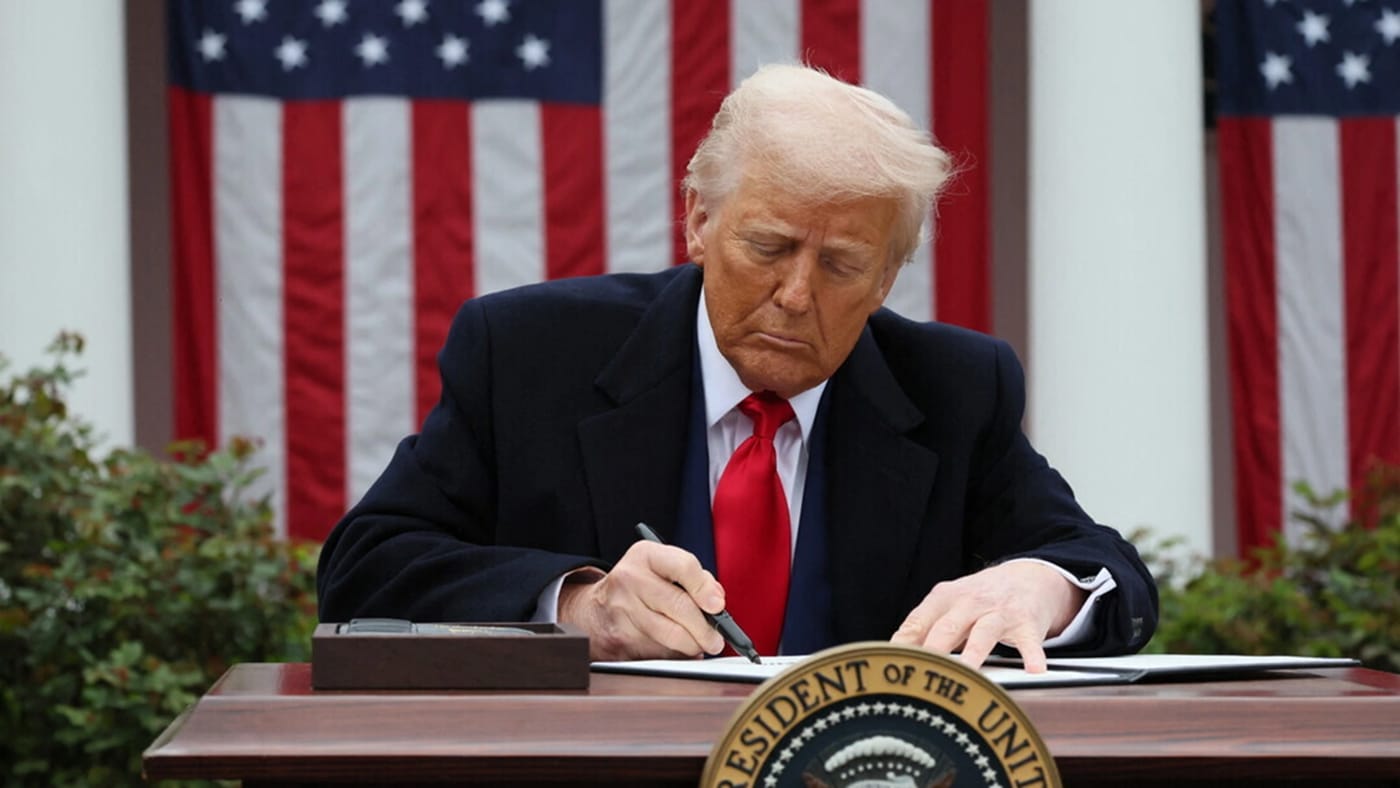
A recent academic study examining the legacy of Trump-era tariffs reports that while the tariffs contributed to higher government revenue, they had negligible effects on U.S. economic growth in 2025. The analysis offers a nuanced perspective on the effectiveness of trade policy tools, suggesting that certain protectionist measures may generate fiscal benefits without causing substantial macroeconomic disruption.
Macroeconomic Impact of Tariffs
The study analyzed the cumulative effects of tariffs on imports from major trading partners, including China, the European Union, and other key markets. Despite initial fears of widespread economic disruption, the research indicates that U.S. GDP growth in 2025 remained largely unaffected, with estimates showing changes of less than 0.1 percentage points attributable directly to the tariffs. Economists attribute this limited impact to the ability of domestic businesses to adjust supply chains, pass costs onto consumers, and benefit from offsetting policy measures implemented during the same period.
The findings challenge narratives that trade barriers inherently harm growth in advanced economies, particularly when imposed on a targeted range of goods. By isolating the tariff effects from other macroeconomic factors, the study highlights the complexity of linking trade policy to broad economic performance.
Fiscal Benefits and Revenue Gains
While the GDP effect was minimal, the tariffs generated substantial revenue for the federal government. The study estimates that the measures contributed tens of billions of dollars in additional tariff income in 2025, providing an unanticipated boost to federal finances. These gains allowed for temporary fiscal relief and funded targeted programs without necessitating increased borrowing.
Revenue accumulation was concentrated in sectors with higher import dependency, particularly electronics, machinery, and certain consumer goods. Policymakers faced a trade-off: the tariffs produced fiscal benefits without significantly dampening overall economic activity, yet they also introduced sector-specific price pressures for domestic businesses and consumers.
Strategic Implications for Trade Policy
The research underscores the importance of carefully targeted trade interventions. By selectively imposing tariffs rather than broad-based measures, the U.S. government was able to generate revenue with limited systemic economic disruption. This case highlights that in advanced economies with diversified trade networks, the macroeconomic impact of protective measures may be muted, though distributional effects on specific industries and consumers remain a consideration.
The study also suggests that ongoing monitoring of trade flows, inflationary pressures, and sectoral performance is critical when assessing the long-term consequences of such measures. Policymakers can use these insights to balance fiscal objectives against potential costs to domestic industries.
Looking Ahead
Going forward, investors and economists will be watching how the legacy of these tariffs influences future trade negotiations, particularly in sectors with ongoing supply chain dependencies. Risks remain related to inflationary pressures and potential retaliatory measures by trading partners, which could affect specific industries more than the broader economy. Opportunities may emerge for businesses able to adapt to shifting import costs, while fiscal authorities may consider similar targeted interventions in periods of budgetary pressure. The study provides a foundation for analyzing how trade policy can simultaneously serve revenue objectives and maintain overall economic stability.
Comparison, examination, and analysis between investment houses
Leave your details, and an expert from our team will get back to you as soon as possible
* This article, in whole or in part, does not contain any promise of investment returns, nor does it constitute professional advice to make investments in any particular field.
To read more about the full disclaimer, click here
- Ronny Mor
- •
- 5 Min Read
- •
- ago 7 hours
SKN | Fed’s Jefferson Warns of Short-Term Inflation Surge from Iran Conflict, Signals Steady Rates Ahead
Global financial markets are closely monitoring comments from Federal Reserve Governor Jefferson, who highlighted the potential for higher inflation in
- ago 7 hours
- •
- 5 Min Read

Global financial markets are closely monitoring comments from Federal Reserve Governor Jefferson, who highlighted the potential for higher inflation in

- Lior mor
- •
- 7 Min Read
- •
- ago 3 days
SKN | “Dr. Doom” Warns of Escalating Risks: Could the U.S.-Iran Conflict Trigger a Global Economic Shock?
Economist Nouriel Roubini, widely known as “Dr. Doom,” has raised fresh concerns about the global economic outlook as tensions
- ago 3 days
- •
- 7 Min Read

Economist Nouriel Roubini, widely known as “Dr. Doom,” has raised fresh concerns about the global economic outlook as tensions

- sagi habasov
- •
- 6 Min Read
- •
- ago 3 days
SKN | Global Markets Under Pressure: Do Oil Spikes and Geopolitics Signal a Deeper Risk-Off Shift?
Global equity markets moved lower as escalating tensions linked to Iran and ongoing regional conflict rattled investor confidence, triggering
- ago 3 days
- •
- 6 Min Read

Global equity markets moved lower as escalating tensions linked to Iran and ongoing regional conflict rattled investor confidence, triggering
- sagi habasov
- •
- 7 Min Read
- •
- ago 3 days
SKN | Is China Reasserting Itself as the World’s Economic Anchor Amid Rising Global Instability?
As geopolitical tensions intensify and global markets wrestle with inflation, trade fragmentation, and energy shocks, China is actively repositioning itself
- ago 3 days
- •
- 7 Min Read
As geopolitical tensions intensify and global markets wrestle with inflation, trade fragmentation, and energy shocks, China is actively repositioning itself

