


- omer bar
- •
- 6 Min Read
- •
- 12 hours ago
Key Points
- Oil rebounded above $91 as conflicting U.S.-Iran signals sustained market uncertainty.
- Disruptions in the Strait of Hormuz are tightening global supply and impacting Asia-Pacific economies.
- Rising energy prices are increasing inflation risks and influencing global monetary policy expectations.
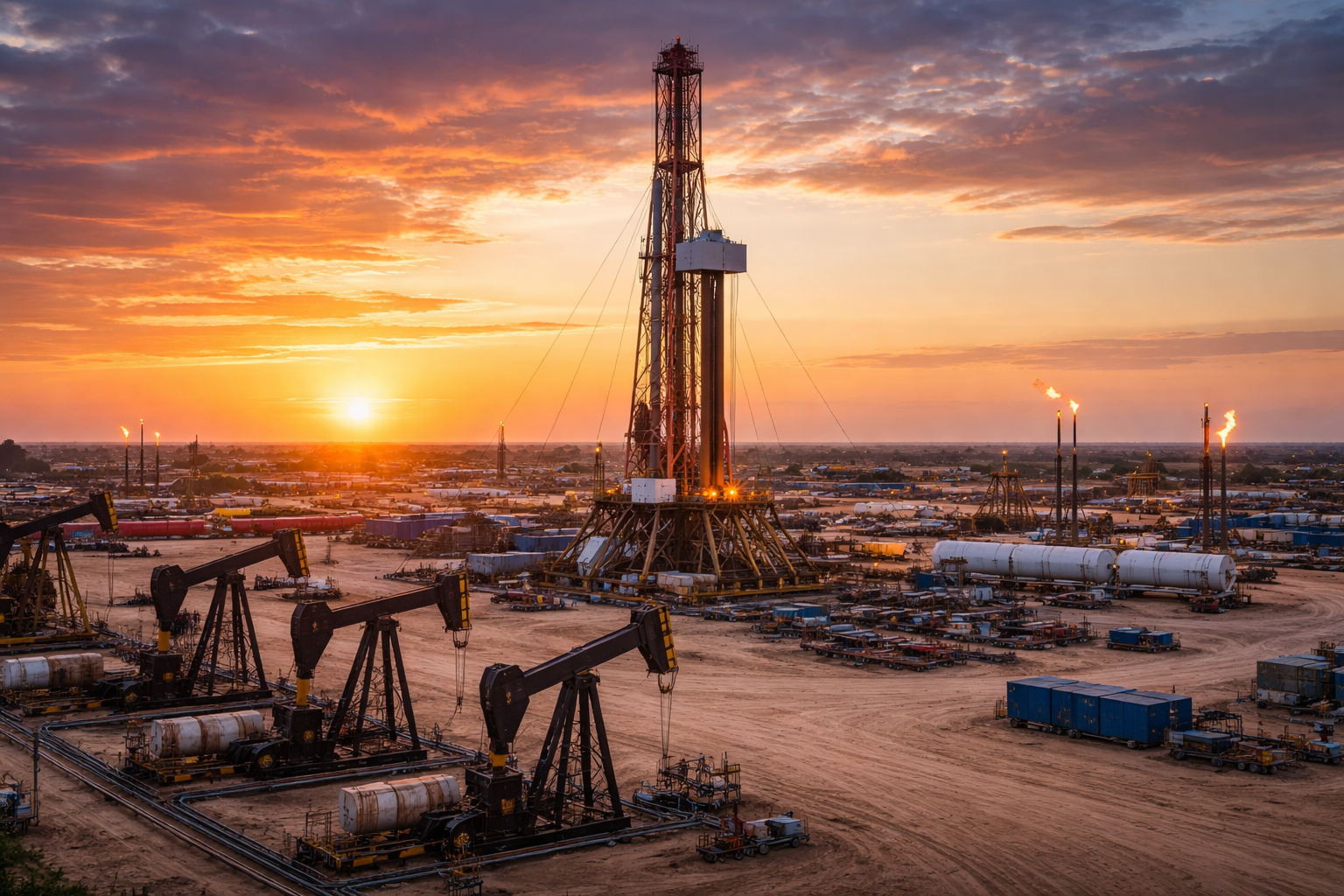
Oil prices edged higher as geopolitical uncertainty in the Middle East continues to dominate market sentiment, highlighting the fragile balance between diplomacy and disruption. West Texas Intermediate crude climbed above $91 per barrel, recovering from recent losses as conflicting signals from the United States and Iran left traders navigating an increasingly complex outlook. With the Strait of Hormuz still partially constrained, energy markets remain highly sensitive to both headlines and physical supply risks.
Geopolitical Uncertainty Keeps Oil Volatile
The latest price rebound reflects growing confusion rather than clarity. While Washington continues to pursue diplomatic solutions, including a reported multi-point proposal to Tehran, Iranian officials have pushed back, rejecting ceasefire discussions and asserting control over key shipping routes.
This divergence in messaging has created a volatile pricing environment. Oil markets are being pulled in two directions—optimism around potential negotiations and concern over continued disruption to one of the world’s most critical energy corridors.
The Strait of Hormuz remains the focal point. Even partial restrictions have significantly impacted global oil flows, removing millions of barrels per day from the market. Although some shipments continue under controlled conditions, the overall supply picture remains tight.
Supply Disruptions Ripple Across Global Markets
The consequences of reduced oil flows are already being felt beyond the immediate conflict zone. Countries across the Asia-Pacific region, including South Korea, Australia, and the Philippines, are experiencing mounting fuel shortages as supply chains struggle to adjust.
This highlights the interconnected nature of global energy markets. A disruption in a single chokepoint can cascade across continents, affecting everything from transportation costs to industrial production.
Recent price data underscores the scale of the shock. Oil has surged more than 36% over the past month and is up over 30% year-over-year, reflecting both supply constraints and heightened risk premiums. Even modest daily increases now carry significant weight, as markets attempt to price in both current shortages and future uncertainty.
Inflation Risks and Market Implications
Rising oil prices are feeding directly into broader economic concerns, particularly inflation. Higher energy costs increase input prices across industries, from manufacturing to logistics, and can quickly translate into higher consumer prices.
This dynamic complicates the outlook for central banks, which are already balancing inflation risks against economic growth. Persistent energy-driven inflation could delay rate cuts or even force tighter monetary policy, adding pressure to financial markets.
At the same time, oil’s volatility is influencing investor sentiment across asset classes. Equity markets, bond yields, and currencies are all reacting to shifts in energy prices, reinforcing oil’s role as a key driver of global financial conditions.
Looking ahead
The trajectory of oil will depend largely on geopolitical developments. A breakthrough in negotiations could ease supply constraints and stabilize prices, while continued escalation or prolonged disruption in the Strait of Hormuz could push prices higher. For now, markets remain caught between hope for resolution and the reality of ongoing supply risk.
Comparison, examination, and analysis between investment houses
Leave your details, and an expert from our team will get back to you as soon as possible
* This article, in whole or in part, does not contain any promise of investment returns, nor does it constitute professional advice to make investments in any particular field.
To read more about the full disclaimer, click here
- Lior mor
- •
- 8 Min Read
- •
- ago 41 minutes
SKN | Is Oil Entering a New Volatility Regime as Iran Rejects Talks and Supply Risks Intensify?
Oil markets are swinging sharply again as conflicting geopolitical signals reshape expectations around supply disruptions and diplomacy. West Texas Intermediate
- ago 41 minutes
- •
- 8 Min Read

Oil markets are swinging sharply again as conflicting geopolitical signals reshape expectations around supply disruptions and diplomacy. West Texas Intermediate

- omer bar
- •
- 9 Min Read
- •
- ago 56 minutes
SKN | Could Iran’s Hormuz Toll Plan Reshape Global Oil Trade and Shipping Economics?
Iran’s move to formalize tolls for vessels passing through the Strait of Hormuz signals a potential turning point in global
- ago 56 minutes
- •
- 9 Min Read

Iran’s move to formalize tolls for vessels passing through the Strait of Hormuz signals a potential turning point in global
- Lior mor
- •
- 9 Min Read
- •
- ago 1 day
SKN | Is Oil’s Sudden Drop Signaling a Shift From War Premium to Diplomacy Risk?
Brent crude prices fell sharply below $100 per barrel, dropping roughly 5% and reversing the previous session’s gains as markets
- ago 1 day
- •
- 9 Min Read

Brent crude prices fell sharply below $100 per barrel, dropping roughly 5% and reversing the previous session’s gains as markets

- sagi habasov
- •
- 9 Min Read
- •
- ago 1 day
SKN | Strait of Hormuz Crisis: Why Western Powers May Face a Harder Test Than the Red Sea Failure
The escalating crisis around the Strait of Hormuz is rapidly becoming one of the most consequential geopolitical risks for global
- ago 1 day
- •
- 9 Min Read
The escalating crisis around the Strait of Hormuz is rapidly becoming one of the most consequential geopolitical risks for global

