




- Ronny Mor
- •
- 7 Min Read
- •
- 1 year ago



A Diplomatic Opening in Trump’s Protectionist Agenda
In a striking development within the evolving global trade landscape, the United Kingdom is reportedly on the verge of finalizing a trade deal with the United States, becoming the first country to do so since President Donald Trump imposed sweeping “reciprocal tariffs” on allies and adversaries alike in early April. The move signals a potential recalibration of Washington’s aggressive trade posture and could reshape how other nations approach negotiations with the U.S.
Britain as the Exception to the Rule
While Trump’s “Liberation Day Tariffs” introduced duties of up to 145% on a wide array of imports from major economies including China, Japan, and India, the UK emerged relatively unscathed—subject only to the baseline 10% global tariff and a preexisting 25% levy on imports of steel, aluminum, and automobiles. According to The New York Times, Britain may now become the first to formalize a bilateral trade agreement under this new framework.
On Wednesday night, Trump hinted at the agreement on social media, calling it a “major trade deal” with a “highly respected country.” Downing Street later confirmed that Prime Minister Sir Keir Starmer would issue an official statement on tariff-related developments later today, underscoring Britain’s strategic urgency in securing market access.
Strategic Ambiguity or Calculated Leverage?
Despite consistent messaging from top White House officials that trade agreements are a top priority, Trump appeared to undermine that narrative earlier this week. “We don’t have to sign deals. They have to sign deals with us,” he said. “They want a piece of our market. We don’t want a piece of theirs.”
This rhetoric marks a sharp departure from traditional trade diplomacy and reinforces the administration’s view of trade not as a multilateral balancing act, but as a unilateral opportunity to extract concessions from foreign partners.
UK Business Interests: Defusing Pressure, Gaining Access
The UK government has been pursuing multiple trade tracks simultaneously. Earlier this week, it signed a trade agreement with India that will ease barriers for British exports such as whisky and automobiles, while reducing tariffs on Indian textiles and footwear. Talks with Washington have followed a “calm and steady” approach, according to a spokesperson from the Department for Business and Trade, who emphasized the government’s goal of reducing inflationary pressures on UK businesses and consumers.
While the British government has refrained from confirming specific terms or timelines, the urgency to act before the U.S. tariff moratorium expires in July is evident.
Global Context: The Race for Preferential Access
The United States is currently in parallel talks with several countries, including Israel, Japan, South Korea, and Vietnam. Simultaneously, high-level trade negotiations with China are scheduled to begin this weekend in Switzerland, where U.S. Treasury Secretary Scott Bessent and U.S. Trade Representative Jamieson Greer will meet with Chinese Vice Premier He Lifeng.
These talks come amid an intensifying tariff war between the world’s two largest economies. Washington has imposed import duties of up to 145% on Chinese goods, while Beijing has retaliated with tariffs of up to 125% on select U.S. exports.
Conclusion: A Bilateral Deal with Multilateral Ramifications
If the U.S.-UK agreement is finalized, it would mark not only a significant diplomatic win for London but also a litmus test for Trump’s new trade doctrine. It could offer a template for other nations hoping to shield themselves from U.S. protectionism, but may also deepen global economic fragmentation between favored and excluded economies.
Comparison, examination, and analysis between investment houses
Leave your details, and an expert from our team will get back to you as soon as possible
* This article, in whole or in part, does not contain any promise of investment returns, nor does it constitute professional advice to make investments in any particular field.
To read more about the full disclaimer, click here
- Ronny Mor
- •
- 6 Min Read
- •
- ago 1 hour
SKN | Qualcomm Wins Key Findings Against Arm as Delaware Jury Awards Just $2 in Damages
A Delaware jury has found Arm Holdings liable on two claims brought by Qualcomm, adding another chapter to a
- ago 1 hour
- •
- 6 Min Read
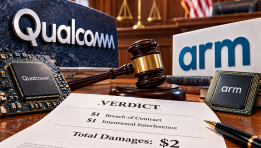
A Delaware jury has found Arm Holdings liable on two claims brought by Qualcomm, adding another chapter to a

- sagi habasov
- •
- 7 Min Read
- •
- ago 1 hour
SKN | Apple’s HomeView Brings Personalized Siri to the Smart Home in Challenge to Amazon and Google
Apple unveiled HomeView on Tuesday as the company seeks to strengthen its position in the smart-home market while advancing
- ago 1 hour
- •
- 7 Min Read
Apple unveiled HomeView on Tuesday as the company seeks to strengthen its position in the smart-home market while advancing

- orshu
- •
- 6 Min Read
- •
- ago 1 hour
SKN | Bank of America Faces $1.2 Billion U.S. Penalty Over Suspicious Activity Reporting Failures
Bank of America is facing a $1.21 billion penalty from U.S. regulators after authorities identified widespread failures in the
- ago 1 hour
- •
- 6 Min Read

Bank of America is facing a $1.21 billion penalty from U.S. regulators after authorities identified widespread failures in the
- sagi habasov
- •
- 6 Min Read
- •
- ago 2 hours
SKN | Nasdaq Ends Lower as Chipmakers Slide and U.S. Bank Earnings Take Center Stage
U.S. stocks ended mostly lower on Tuesday as semiconductor shares extended their recent declines and investors assessed the opening
- ago 2 hours
- •
- 6 Min Read

U.S. stocks ended mostly lower on Tuesday as semiconductor shares extended their recent declines and investors assessed the opening
