


- Articles
- •
- 7 Min Read
- •
- 3 months ago
Key Points
- South Korea and the United States finalize a trade deal cutting U.S. tariffs on South Korean autos and auto parts from 25% to 15%.
- The agreement includes a $350 billion investment fund, with $200 billion in phased cash payments and $150 billion directed toward shipbuilding and infrastructure projects.
- Seoul secured zero tariffs on aircraft parts and generic drugs, along with assurances that its chipmakers will not face disadvantages compared to Taiwanese competitors.
Trade Components and Strategic Gains
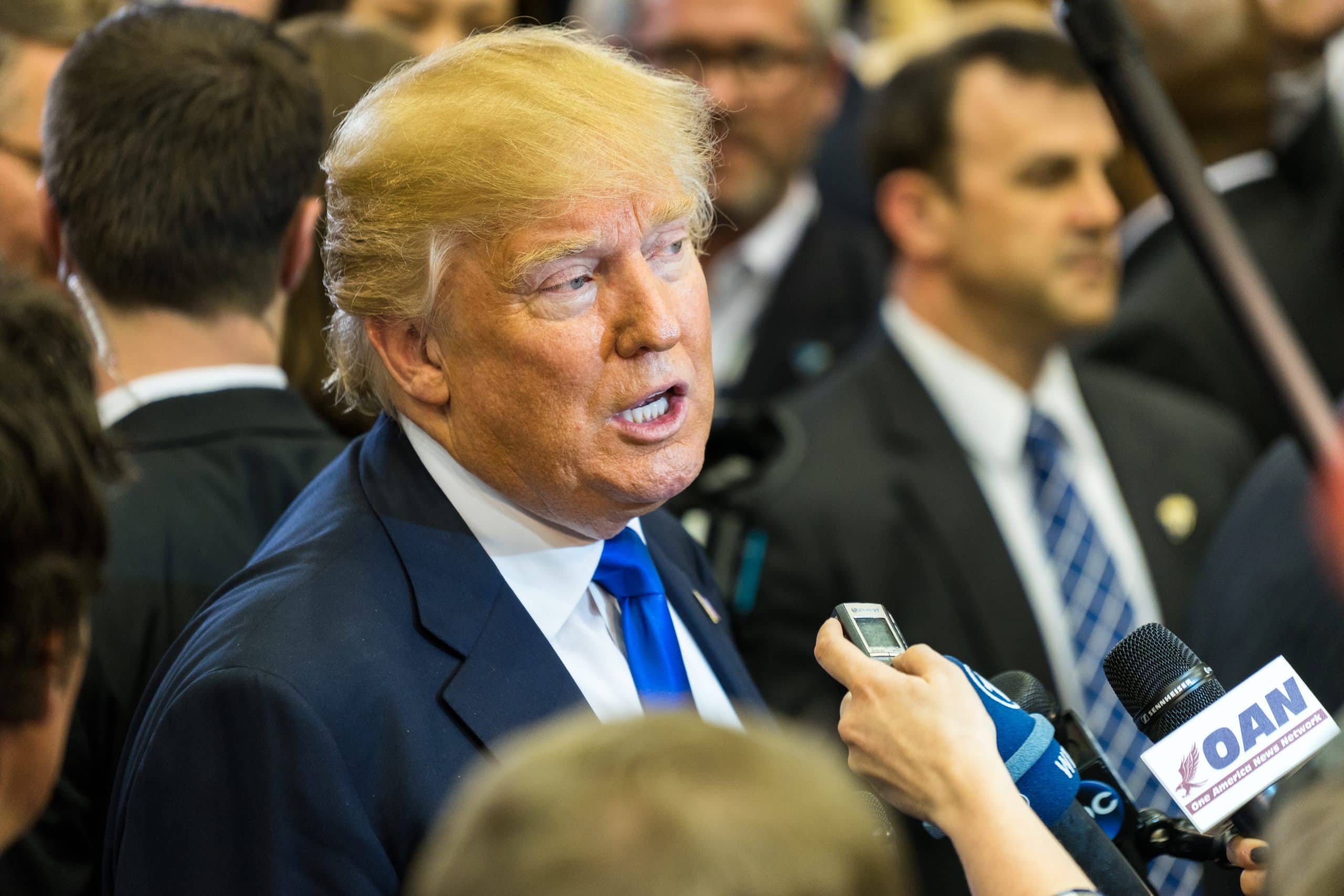
The South Korean government has released details of a sweeping trade agreement with the United States covering tariffs, investment, and industrial cooperation. Under the deal, the U.S. will reduce tariffs on South Korean automobiles and auto parts to 15%, aligning them with levels faced by Japanese exporters.
The deal also provides for preferential treatment in other sectors. Tariffs on pharmaceuticals, wood products, and industrial materials will be among the lowest globally, while aircraft parts and generic drugs will face no tariffs. Crucially, the agreement guarantees that South Korean semiconductor manufacturers will not be disadvantaged relative to competitors in other key markets.
Investment and Infrastructure Commitments
A major component of the accord is the establishment of a $350 billion joint investment fund. Of this, $200 billion will be disbursed in phased cash installments, limited to $20 billion per year to safeguard foreign exchange stability. The remaining $150 billion will finance shipbuilding, infrastructure, and industrial cooperation projects.
Both governments agreed that investments must be commercially viable, with profits shared 50/50 before initial investment recovery. This structure reflects a commitment to transparency and shared economic benefit.
Implications and Strategic Context
For South Korea, the agreement strengthens its trade position and industrial capabilities while enhancing access to U.S. markets. For the United States, the deal secures a substantial investment commitment and reinforces strategic cooperation in manufacturing, semiconductors, and shipbuilding.
The inclusion of semiconductor protection clauses underscores the importance of technology sovereignty and supply chain security, particularly amid ongoing global competition in the AI and chip sectors.
Risks and Outlook
While the agreement is a landmark achievement, several challenges remain. The successful rollout of the phased investment plan will require coordinated oversight and clear project selection. Currency fluctuations and market volatility could test the stability of the annual payment structure.
Domestically, sensitive sectors such as agriculture could face political pressure if market openings expand faster than expected. On the U.S. side, ensuring that investment projects yield tangible industrial and employment benefits will be key to maintaining bipartisan support for the deal.
What to Watch Next
Investors and policymakers will closely monitor:
-
The rollout of the investment fund, including the timeline for the first disbursements.
-
The selection and progress of shipbuilding and infrastructure projects.
-
The real-world impact of tariff reductions on South Korean auto and parts exports.
For international observers, this trade agreement represents a significant evolution in how bilateral trade, strategic investment, and industrial cooperation are integrated into a single framework. Its implementation over the coming months will provide a key indicator of how the U.S. and South Korea align economic and geopolitical interests in the next phase of global trade.
Comparison, examination, and analysis between investment houses
Leave your details, and an expert from our team will get back to you as soon as possible
* This article, in whole or in part, does not contain any promise of investment returns, nor does it constitute professional advice to make investments in any particular field.
To read more about the full disclaimer, click here
- sagi habasov
- •
- 7 Min Read
- •
- ago 60 minutes
SKN | Is Hims & Hers’ Compounded Wegovy Pill a Turning Point for Obesity Drug Pricing?
A surprise move by Hims & Hers Health into compounded oral weight-loss drugs has rattled investors across the obesity-treatment landscape.
- ago 60 minutes
- •
- 7 Min Read
A surprise move by Hims & Hers Health into compounded oral weight-loss drugs has rattled investors across the obesity-treatment landscape.
- sagi habasov
- •
- 7 Min Read
- •
- ago 4 hours
SKN | Has Tesla Lost Its Grip on Europe as Volkswagen Takes the EV Crown?
Europe’s electric vehicle market delivered a symbolic turning point in 2025, with Volkswagen overtaking Tesla as the region’s largest seller
- ago 4 hours
- •
- 7 Min Read
Europe’s electric vehicle market delivered a symbolic turning point in 2025, with Volkswagen overtaking Tesla as the region’s largest seller

- orshu
- •
- 7 Min Read
- •
- ago 8 hours
SKN | Is China’s EV Growth Engine Stalling as BYD’s Sales Sink to a Two-Year Low?
China’s electric vehicle sector, long a pillar of industrial growth and global ambition, is showing clearer signs of fatigue. January
- ago 8 hours
- •
- 7 Min Read

China’s electric vehicle sector, long a pillar of industrial growth and global ambition, is showing clearer signs of fatigue. January
- orshu
- •
- 6 Min Read
- •
- ago 9 hours
SKN | Tel Aviv Market Update February 5, 2026: TA-35 Leads Declines Amid Mixed Sector Activity
The Tel Aviv Stock Exchange opened February 5 under downward pressure, continuing the cautious sentiment observed in early trading. The
- ago 9 hours
- •
- 6 Min Read

The Tel Aviv Stock Exchange opened February 5 under downward pressure, continuing the cautious sentiment observed in early trading. The

