


- Lior mor
- •
- 7 Min Read
- •
- 4 hours ago
Key Points
- The U.S. Supreme Court ruling temporarily reduced tariffs on Chinese goods, offering exporters a short-term opportunity.
- Businesses remain cautious as tariffs could be reinstated through alternative legal mechanisms.
- China continues expanding exports to emerging markets as part of a broader strategy to reduce reliance on the U.S. market.
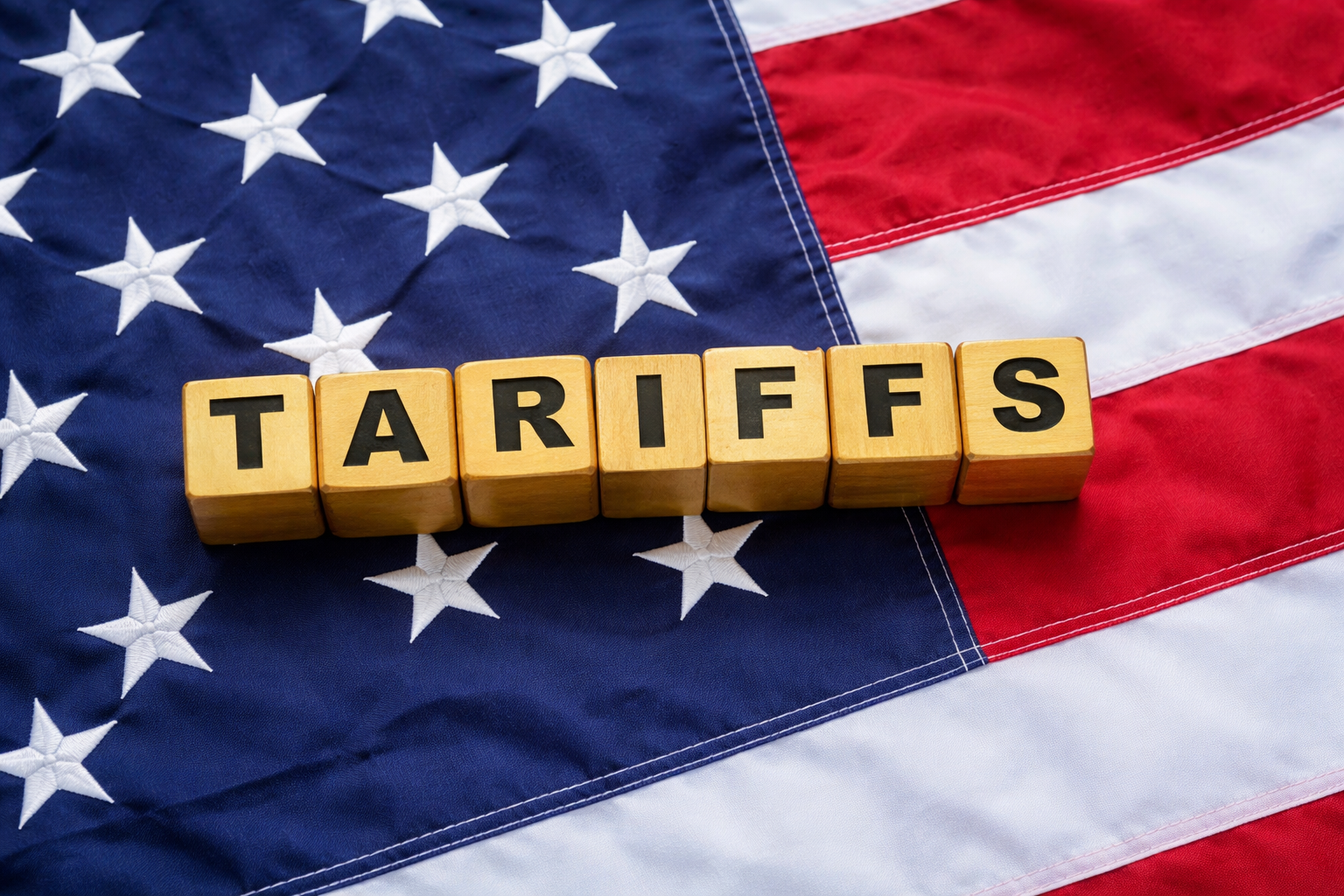
Chinese exporters are reacting with both urgency and skepticism after a recent U.S. Supreme Court ruling temporarily limited the scope of tariff powers previously used by Washington in its trade conflict with Beijing. The decision has reduced the effective tariff burden on Chinese goods entering the United States, potentially providing a short-term boost to export activity. However, the cautious response from many manufacturers highlights the fragile state of U.S.–China economic relations and the lingering uncertainty surrounding global trade policy. For businesses operating in China’s major export hubs, the ruling offers an opportunity—but not necessarily reassurance about the long-term stability of access to the American market.
Short-Term Tariff Relief Triggers Export Acceleration
For some exporters, the tariff adjustment has created a narrow window of opportunity to push goods into the U.S. market before trade conditions potentially tighten again. The ruling effectively reduced the weighted average U.S. tariff rate on Chinese imports to approximately 22.3%, down from 32.4%, according to estimates from Capital Economics. While the U.S. administration has introduced a temporary global tariff of 10% for 150 days and may raise it to 15% later, the overall burden on Chinese exporters remains lower than in previous stages of the trade dispute.
The shift has already influenced operational decisions among manufacturers. Some companies are accelerating shipments or expanding production schedules in order to take advantage of the temporary reduction in tariffs. For producers of industrial equipment and machinery, even small changes in tariff structures can significantly affect pricing competitiveness in the American market. The reprieve also helps Chinese exporters compete more evenly with manufacturers from countries such as Turkey or Southeast Asia, which had previously gained an advantage as tariffs on Chinese goods increased.
Lingering Trade Tensions Create Strategic Uncertainty
Despite the improved tariff landscape, many companies remain wary of making long-term commitments to the U.S. market. Business leaders note that tariffs could be reinstated through alternative legal mechanisms, including sector-specific measures or legislation approved by Congress. As a result, exporters are hesitant to scale up production significantly if policy conditions could change again before shipments reach their destinations.
This uncertainty reflects the broader psychological impact of years of trade tensions between the world’s two largest economies. For many firms, the unpredictability of policy decisions has become a key strategic risk factor. Executives involved in overseas manufacturing projects say their companies are increasingly prioritizing markets outside North America, focusing instead on regions where trade policies appear more stable and long-term demand is expanding.
China Continues Expanding into Emerging Markets
Even with temporary tariff relief, China’s export strategy continues to shift toward diversification beyond the United States. The country recorded a record $1.2 trillion trade surplus last year as manufacturers redirected shipments toward emerging markets and developing economies.
Chinese exports to the United States fell about 20% in 2025, though the country remains one of China’s largest trading partners. At the same time, exports to Africa surged 25.8%, shipments to Latin America rose 7.4%, exports to Southeast Asia climbed 13.4%, and trade with the European Union increased 8.4%. These trends suggest that structural changes in global trade flows are already underway, driven by both geopolitical tensions and China’s industrial overcapacity.
As Chinese companies expand into new markets, however, competition is intensifying—often between Chinese firms themselves. The abundance of manufacturing capacity means exporters frequently compete aggressively on price, limiting profit margins even as global demand grows.
Looking ahead, the temporary tariff reprieve may support China’s export momentum in the near term and could help the economy reach projected growth of around 4.5% to 5% this year. Yet the long-term outlook will depend on whether U.S.–China relations stabilize or whether renewed trade restrictions trigger another shift in global supply chains.
Comparison, examination, and analysis between investment houses
Leave your details, and an expert from our team will get back to you as soon as possible
* This article, in whole or in part, does not contain any promise of investment returns, nor does it constitute professional advice to make investments in any particular field.
To read more about the full disclaimer, click here
- Ronny Mor
- •
- 7 Min Read
- •
- ago 50 minutes
SKN | Will February’s Inflation Data Understate Emerging Price Pressures From the Iran War?
U.S. inflation data for February is expected to show relatively stable price growth, but the figures may already be outdated
- ago 50 minutes
- •
- 7 Min Read

U.S. inflation data for February is expected to show relatively stable price growth, but the figures may already be outdated
- Ronny Mor
- •
- 7 Min Read
- •
- ago 5 days
SKN | U.S. Dollar Still a Global Safe Haven, Australian Central Banker Says Amid Market Uncertainty
The U.S. dollar continues to maintain its position as the world’s leading safe-haven currency, according to remarks from an
- ago 5 days
- •
- 7 Min Read

The U.S. dollar continues to maintain its position as the world’s leading safe-haven currency, according to remarks from an

- sagi habasov
- •
- 8 Min Read
- •
- ago 5 days
SKN | Will U.S. Jobs Data Redefine the Federal Reserve’s Rate Path as Oil Prices Stir Inflation Fears?
Global bond markets are entering a critical phase as traders analyze U.S. labor market data to better understand the Federal
- ago 5 days
- •
- 8 Min Read

Global bond markets are entering a critical phase as traders analyze U.S. labor market data to better understand the Federal
- sagi habasov
- •
- 6 Min Read
- •
- ago 1 week
SKN | Currency Markets Signal a Supply-Side Inflation Shock: Are FX Traders Ahead of Central Banks?
Global currency markets are increasingly pricing in the risk of a supply-driven inflation resurgence. Moves across the U.S. dollar,
- ago 1 week
- •
- 6 Min Read
Global currency markets are increasingly pricing in the risk of a supply-driven inflation resurgence. Moves across the U.S. dollar,

