





- sagi habasov
- •
- 8 Min Read
- •
- 8 hours ago
Key Points
- Sandoz shares adjust downward following new proposed US trade policies threatening up to 200% import tariffs on generic drugs.
- Major investment banks, including Jefferies and Deutsche Bank, adopt a conservative stance, adjusting price targets amid shifting supply chain dynamics.
- The broader market experiences a mild recalibration as investors assess the macroeconomic and geopolitical impact on multinational pharmaceutical equities.
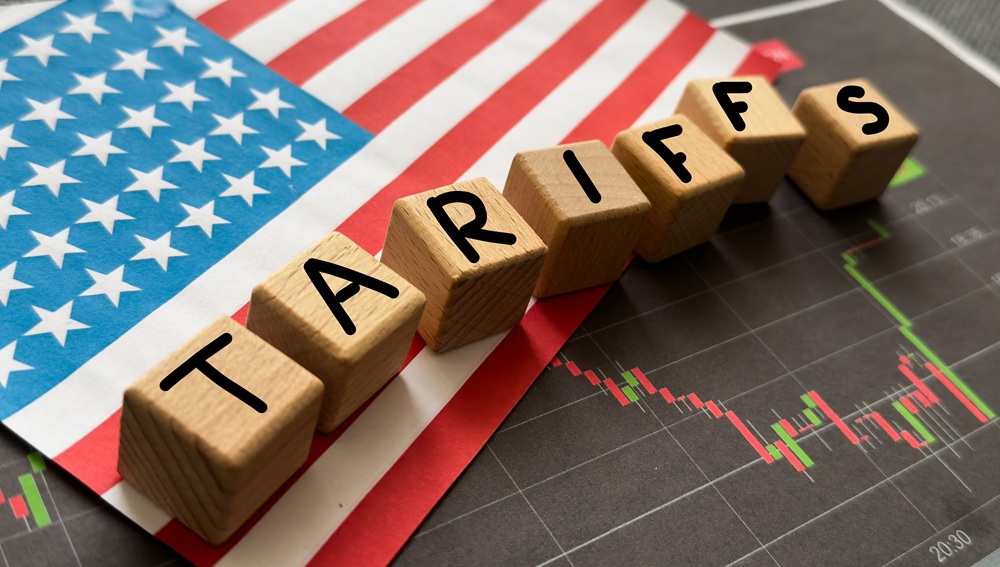
Recent policy announcements from the United States are prompting a significant reassessment within the global generic pharmaceutical sector, capturing the immediate attention of institutional investors. Shares of the Swiss pharmaceutical giant Sandoz Group AG experienced a 3.2% decline, trading around 64.40 Swiss francs, as the market processes the implications of sweeping tariff proposals. The proposed trade measures, which suggest implementing a 100% import tariff on generic medications by August 2028 and escalating to 200% by August 2029 for production remaining outside the US, are forcing a fundamental recalculation of risk profiles across the industry. This development highlights the delicate balance between international manufacturing models and the growing trend of domestic protectionism, setting the stage for a complex period of strategic adaptation for industry leaders.
Reassessing Global Supply Chain Strategies
As one of the preeminent global players in generic and biosimilar medicines, Sandoz finds its operational model at a critical juncture. The traditional business architecture of the generic pharmaceutical industry relies heavily on intricate, cost-efficient international supply chains designed to maintain competitive margins against branded alternatives. The prospect of shifting substantial manufacturing capacities to the United States introduces a formidable capital expenditure requirement. Establishing new pharmaceutical facilities involves not only significant capital deployment but also lengthy regulatory approvals from the FDA and the complex integration of a specialized workforce. For a corporation with deep exposure to the American healthcare market, these proposed trade barriers introduce potential margin compression. Consequently, institutional capital is currently reducing exposure, favoring liquidity while awaiting greater clarity on how multinational firms plan to restructure their operational footprints to remain competitive in their most lucrative geographic regions.
Institutional Restraint and Earnings Anticipation
The current downward price action does not exist in a vacuum; it aligns with a growing institutional caution that has been developing across European and Wall Street trading desks. Major financial institutions had already begun adjusting their valuation models prior to the latest political developments. Investment bank Jefferies recently revised its price target for Sandoz, while Deutsche Bank previously lowered its target to 65 Swiss francs, maintaining a Hold rating on the equity. This conservative sentiment amplifies market vigilance as investors approach the upcoming quarterly earnings releases. Amidst substantial regulatory ambiguity, asset managers are adopting a wait-and-see approach, avoiding aggressive risk allocation. Market participants are now keenly focused on the executive leadership of Sandoz, expecting upcoming earnings calls to deliver proactive, detailed roadmaps rather than standard retrospective financial reviews. Investors require tangible strategies detailing how the company intends to navigate potential tariff implementations and whether a phased migration of manufacturing infrastructure is financially viable.
Broader Market Dynamics and Sector Divergence
The psychological and economic ramifications of these trade policies extend well beyond a single equity, casting a cautious shadow over the broader financial markets. Wall Street observed a mild risk-off session, with the S&P 500 retreating 0.4% and the technology-heavy Nasdaq recording a 0.9% decline, reflecting a systemic concern regarding the escalation of global trade frictions. Concurrently, other Swiss pharmaceutical entities with significant exposure to generic drug manufacturing are experiencing similar downward pressures. However, capital markets are demonstrating a sophisticated differentiation strategy. Pharmaceutical companies whose revenue streams are heavily weighted toward branded medications, innovative biological treatments, or robustly patented drugs are currently insulated from these specific headwinds. These specialized firms are increasingly viewed as relative safe havens, as the proposed tariff architecture is almost exclusively aimed at compelling generic manufacturers to domesticate their supply chains.
Looking ahead, the recalibration of Sandoz’s valuation—now trading approximately 14% below its 52-week high—represents a structural repricing of geopolitical risk rather than a simple technical pullback. The valuation equation for pharmaceutical conglomerates has fundamentally shifted. Generic manufacturers will increasingly be evaluated not merely on traditional pipeline developments or baseline supply chain efficiency, but on their geopolitical agility and their capacity to relocate manufacturing operations under tight regulatory deadlines. Unless diplomatic or commercial negotiations yield a softening of these trade stances, the equity markets are likely to maintain an elevated risk premium on the generic sector.
Comparison, examination, and analysis between investment houses
Leave your details, and an expert from our team will get back to you as soon as possible
* This article, in whole or in part, does not contain any promise of investment returns, nor does it constitute professional advice to make investments in any particular field.
To read more about the full disclaimer, click here
- sagi habasov
- •
- 9 Min Read
- •
- ago 9 hours
SKN | Will Airbus’s €5 Billion Buyback Program Redefine Capital Allocation in the European Aviation Industry?
The immediate reaction of the European stock market to the latest strategic moves by aerospace giant Airbus SE perfectly
- ago 9 hours
- •
- 9 Min Read

The immediate reaction of the European stock market to the latest strategic moves by aerospace giant Airbus SE perfectly

- Ronny Mor
- •
- 7 Min Read
- •
- ago 11 hours
SKN | NVIDIA Advances Vera Rubin AI Architecture as Next-Generation Chip Platform Moves Toward Customers
NVIDIA is strengthening its position at the center of the artificial intelligence infrastructure race as the company confirms progress on
- ago 11 hours
- •
- 7 Min Read

NVIDIA is strengthening its position at the center of the artificial intelligence infrastructure race as the company confirms progress on

- Lior mor
- •
- 6 Min Read
- •
- ago 14 hours
SKN | Palo Alto Networks Emerges as Cybersecurity Winner as AI Risks Accelerate Enterprise Spending
Palo Alto Networks is attracting increased investor attention as businesses strengthen cybersecurity defenses in response to rapidly advancing artificial intelligence
- ago 14 hours
- •
- 6 Min Read

Palo Alto Networks is attracting increased investor attention as businesses strengthen cybersecurity defenses in response to rapidly advancing artificial intelligence
- sagi habasov
- •
- 7 Min Read
- •
- ago 14 hours
SKN | Texas Instruments Stock Rises Ahead of Earnings as Investors Anticipate Semiconductor Recovery
Texas Instruments shares gained momentum ahead of the company’s second-quarter earnings report as investors positioned for signs of improvement in
- ago 14 hours
- •
- 7 Min Read

Texas Instruments shares gained momentum ahead of the company’s second-quarter earnings report as investors positioned for signs of improvement in


