


- Lior mor
- •
- 7 Min Read
- •
- 56 seconds ago
Key Points
- UPS and FedEx have begun filing tariff refund claims following a Supreme Court ruling
- Refunds apply only to tariffs under IEEPA, limiting the overall financial impact
- Customers may wait months before receiving any reimbursements

The U.S. logistics sector is entering a new phase after United Parcel Service and FedEx began filing for tariff refunds tied to a recent legal ruling. Following a decision by the Supreme Court that invalidated certain tariffs imposed under the International Emergency Economic Powers Act, companies can now seek reimbursement through a newly opened government process. While the development offers potential financial relief, its scope and timing suggest a more gradual impact on both businesses and consumers.
Legal Ruling Opens a Narrow Refund Window
The refund process was triggered after U.S. Customs and Border Protection activated its claims system, allowing importers of record to request repayments for specific tariffs deemed unconstitutional. However, the scope of these refunds is limited. Only tariffs collected under IEEPA qualify, while other major trade measures such as those under Section 232 and Section 301 remain fully intact.
This distinction is crucial in assessing the broader economic impact. Rather than signaling a widespread rollback of tariffs, the refunds represent a targeted legal adjustment. As a result, while some companies may recover funds, the overall structure of U.S. trade policy remains largely unchanged.
Logistics Leaders Step In as Intermediaries
UPS and FedEx play a central role in the refund process due to their position as importers of record for many shipments. Both companies have confirmed they are actively filing claims on behalf of customers, effectively acting as intermediaries between businesses, consumers, and government agencies.
UPS has indicated that customers will not need to take direct action if the company handled the import process, while FedEx has committed to managing claims and distributing any approved refunds back to those who originally bore the costs. This approach reinforces the strategic importance of logistics providers in navigating complex regulatory environments.
However, the operational burden is significant. The claims process involves documentation, verification, and phased approvals, which adds complexity and extends the timeline for reimbursement.
Delayed Impact Limits Immediate Financial Benefits
Despite the positive headline, the financial benefits are unlikely to materialize quickly. Both companies have warned that it could take up to three months or more for refunds to be processed and returned. This delay reflects the administrative challenges associated with large scale reimbursement programs.
For consumers and businesses, this means that any cost relief will be gradual. The lag also reduces the immediate impact on corporate earnings and pricing dynamics, as funds will be recognized over time rather than in a single period.
From a market perspective, this creates a more muted effect. While the refunds may improve cash flow incrementally, they are unlikely to act as a major catalyst for the logistics sector in the short term.
Outlook Depends on Policy and Execution
Looking ahead, the trajectory of tariff refunds will depend on both regulatory execution and broader policy developments. Additional guidance from authorities, as well as potential legal or political shifts, could influence the scale and timing of reimbursements.
The involvement of policymakers, including comments from Donald Trump, underscores the political dimension of the issue. Trade policy remains a dynamic area, and further changes could alter the landscape for logistics companies and their customers.
Ultimately, while the refund process introduces a modest financial tailwind, its significance lies more in what it reveals about the intersection of law, policy, and global trade. For UPS and FedEx, the ability to efficiently manage this process will be key in maintaining customer trust and operational stability in an increasingly complex environment.
Comparison, examination, and analysis between investment houses
Leave your details, and an expert from our team will get back to you as soon as possible
* This article, in whole or in part, does not contain any promise of investment returns, nor does it constitute professional advice to make investments in any particular field.
To read more about the full disclaimer, click here
- sagi habasov
- •
- 5 Min Read
- •
- ago 2 hours
SKN | UnitedHealth Signals Headwinds in Medicare Obesity Drug Pilot — Cost Pressures in Focus
UnitedHealth Group has flagged emerging challenges in its Medicare pilot program covering obesity treatments, pointing to rising costs and
- ago 2 hours
- •
- 5 Min Read

UnitedHealth Group has flagged emerging challenges in its Medicare pilot program covering obesity treatments, pointing to rising costs and

- orshu
- •
- 5 Min Read
- •
- ago 2 hours
SKN | Improving Worker Sentiment Signals Stability in the Global Labor Market
Recent indicators suggest that workers are beginning to feel more optimistic about the job market, signaling a potential stabilization
- ago 2 hours
- •
- 5 Min Read

Recent indicators suggest that workers are beginning to feel more optimistic about the job market, signaling a potential stabilization
- orshu
- •
- 6 Min Read
- •
- ago 2 hours
SKN | European Markets Close Lower as Broad Sell-Off Weighs on Core Indices
European markets closed on April 21 with a clear downward trend, as major indices across the region posted losses.
- ago 2 hours
- •
- 6 Min Read
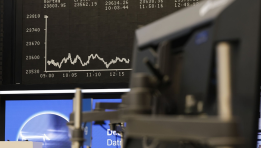
European markets closed on April 21 with a clear downward trend, as major indices across the region posted losses.

- Ronny Mor
- •
- 5 Min Read
- •
- ago 3 hours
SKN | Oil Edges Higher as Markets Brace for U.S.-Iran Talks Amid Expiring Truce
Oil prices moved higher as market participants positioned ahead of anticipated U.S.-Iran talks, with a temporary truce in regional
- ago 3 hours
- •
- 5 Min Read

Oil prices moved higher as market participants positioned ahead of anticipated U.S.-Iran talks, with a temporary truce in regional


