





- omer bar
- •
- 6 Min Read
- •
- 19 hours ago
Key Points
- South Korea’s central bank is expected to raise interest rates on July 16, marking its first rate increase in more than three years.
- Markets are assessing the potential impact on inflation, the Korean won, government bond yields, and domestic economic growth.
- Investors are closely monitoring the Bank of Korea’s forward guidance for clues on whether additional policy tightening could follow.
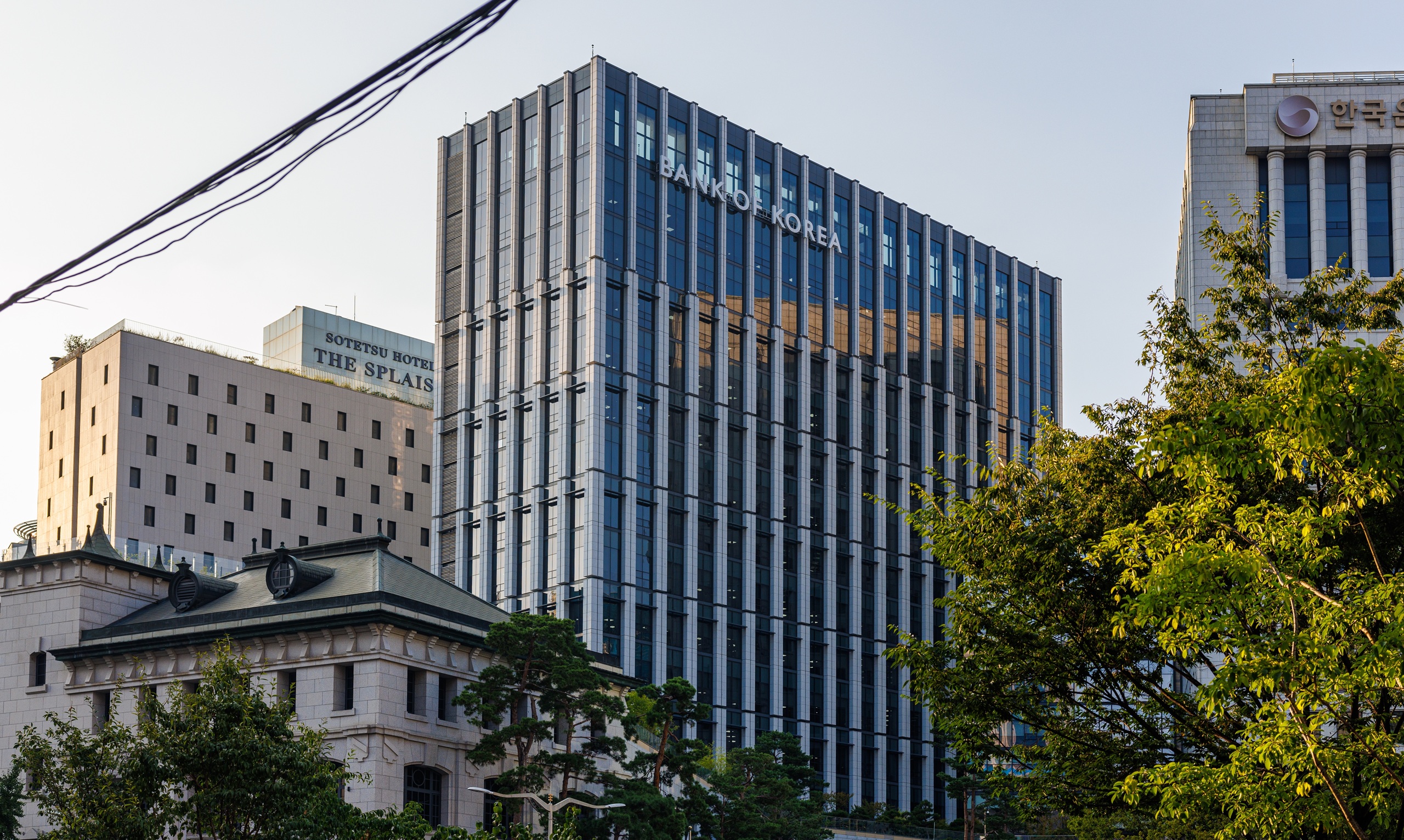
South Korea’s monetary policy is approaching a significant turning point as expectations build that the Bank of Korea (BOK) will raise its benchmark interest rate on July 16 for the first time in over three years. The anticipated move reflects growing confidence in the economy while underscoring policymakers’ efforts to balance inflation risks, financial stability, and sustainable economic expansion in an increasingly uncertain global environment.
Why the Bank of Korea Is Expected to Tighten Policy
The expected rate hike comes after an extended period of accommodative monetary policy that supported the economy through slowing global growth and periods of financial uncertainty. As inflationary pressures remain above the central bank’s preferred comfort zone and domestic demand has shown signs of resilience, policymakers appear increasingly prepared to begin normalizing interest rates.
A modest increase would signal that the Bank of Korea believes economic conditions are strong enough to withstand tighter financial conditions. The decision would also narrow the policy gap with other major central banks that have maintained relatively restrictive interest rates in response to persistent inflation, while reinforcing the BOK’s commitment to long-term price stability.
Market Impact on the Won, Bonds, and Equities
Financial markets are likely to react across multiple asset classes. The Korean won could receive support from higher domestic interest rates, particularly if investors view the policy shift as strengthening the country’s macroeconomic fundamentals. Government bond yields may move higher as markets adjust to expectations of tighter monetary conditions and potentially higher borrowing costs.
South Korea’s equity market could experience mixed reactions. Financial institutions may benefit from higher interest margins, while sectors dependent on borrowing or consumer financing could face additional pressure. Export-oriented companies, particularly major semiconductor manufacturers, will continue to be influenced not only by domestic monetary policy but also by global technology demand, currency movements, and international trade conditions.
For investors in Israel and other international markets, South Korea remains a key indicator of global technology and manufacturing activity. Changes in Korean monetary policy can influence broader investor sentiment toward Asian equities and emerging-market assets.
Global Economic Conditions Will Remain a Key Variable
Although domestic inflation remains an important factor, the Bank of Korea must also consider external developments. U.S. Federal Reserve policy, Chinese economic growth, global trade activity, and geopolitical risks continue to shape the outlook for South Korea’s export-driven economy.
Market participants will pay close attention to the central bank’s accompanying policy statement and economic projections. Any indication that officials expect inflation to moderate or growth to slow could influence expectations regarding future rate decisions. Conversely, stronger guidance toward additional tightening may trigger broader adjustments across currency, bond, and equity markets.
Looking ahead, investors will closely monitor inflation data, employment trends, export performance, and future communications from the Bank of Korea. Whether the July 16 decision marks the beginning of a broader tightening cycle or a measured policy adjustment will depend on the evolution of domestic economic conditions and the global macroeconomic environment over the coming quarters.
Comparison, examination, and analysis between investment houses
Leave your details, and an expert from our team will get back to you as soon as possible
* This article, in whole or in part, does not contain any promise of investment returns, nor does it constitute professional advice to make investments in any particular field.
To read more about the full disclaimer, click here
- Ronny Mor
- •
- 6 Min Read
- •
- ago 5 hours
SKN | Inflation Posts Its Biggest Monthly Decline in Six Years—How Is Wall Street Reassessing the Outlook?
Fresh U.S. inflation data delivered one of the strongest signs yet that price pressures are easing, with consumer prices
- ago 5 hours
- •
- 6 Min Read

Fresh U.S. inflation data delivered one of the strongest signs yet that price pressures are easing, with consumer prices
- Ronny Mor
- •
- 6 Min Read
- •
- ago 10 hours
SKN | June Inflation Expected to Moderate, but the Federal Reserve’s Challenge Is Far From Over
Investors are preparing for one of the most closely watched economic releases of the month as the U.S. Consumer
- ago 10 hours
- •
- 6 Min Read
Investors are preparing for one of the most closely watched economic releases of the month as the U.S. Consumer
- Ronny Mor
- •
- 6 Min Read
- •
- ago 1 day
SKN | Could Another Hot Inflation Report Push the Federal Reserve Toward a Rate Hike?
The Federal Reserve may be approaching another critical policy decision as Governor Christopher Waller indicated that persistently elevated inflation could
- ago 1 day
- •
- 6 Min Read

The Federal Reserve may be approaching another critical policy decision as Governor Christopher Waller indicated that persistently elevated inflation could

- omer bar
- •
- 6 Min Read
- •
- ago 4 days
SKN | Is Germany’s Export Recovery Signaling a Stronger Economic Rebound for Europe?
Germany's latest trade figures provided an encouraging signal for Europe's largest economy, with exports continuing to outperform expectations even as
- ago 4 days
- •
- 6 Min Read

Germany's latest trade figures provided an encouraging signal for Europe's largest economy, with exports continuing to outperform expectations even as


