


- Ronny Mor
- •
- 6 Min Read
- •
- 2 hours ago
Key Points
- AT&T settled with New York City pension funds to allow a diversity disclosure vote.
- The case reflects shifting SEC policies and heightened political scrutiny of ESG matters.
- The shareholder decision could set a precedent for future governance battles.
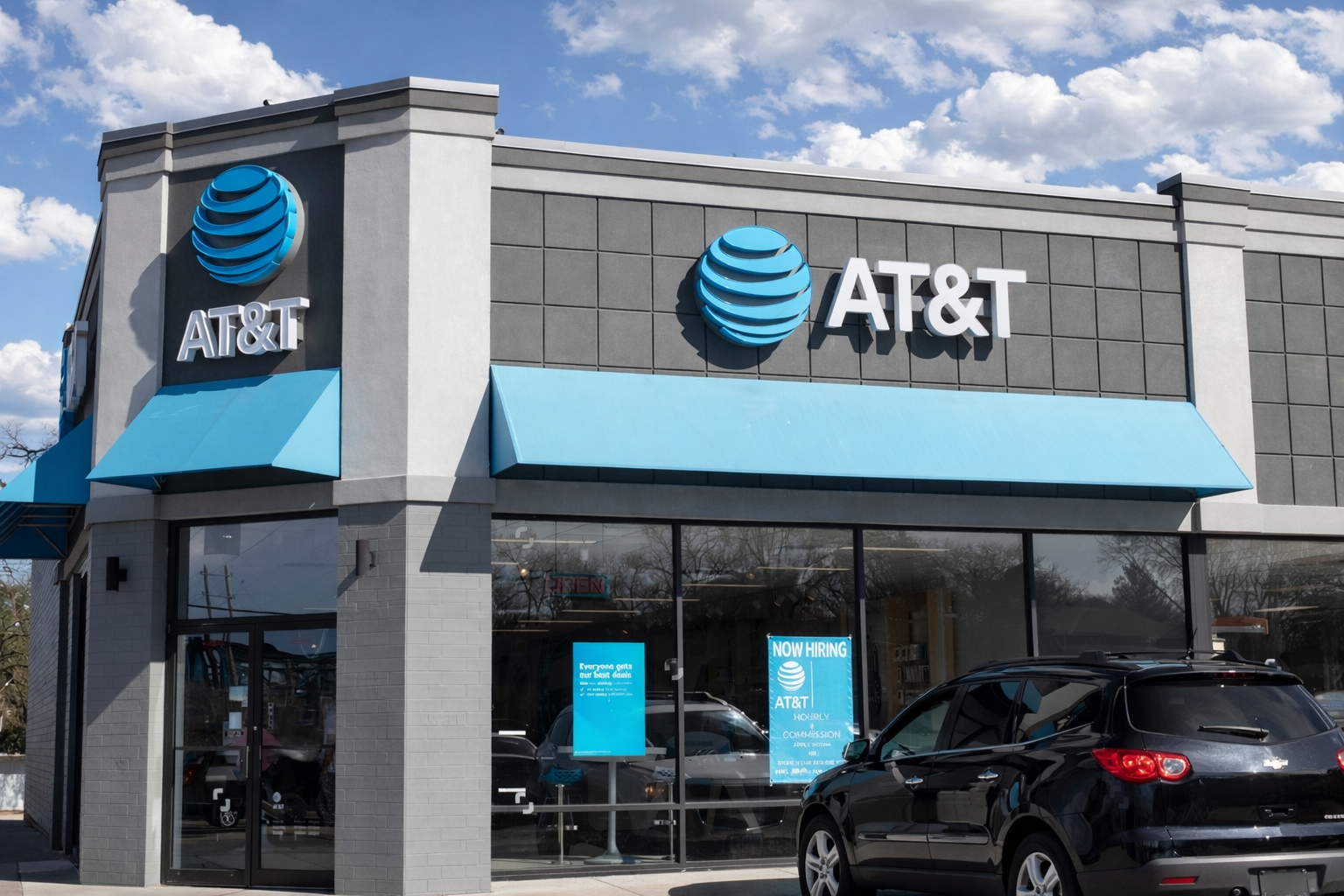
AT&T has agreed to settle a lawsuit brought by four New York City public pension funds, allowing shareholders to vote on a proposal requiring disclosure of the company’s workforce breakdown by race, ethnicity, and gender. The settlement marks a notable development in the ongoing debate over corporate transparency, diversity reporting, and the balance of power between management and institutional investors. In a regulatory environment where diversity initiatives face political scrutiny, the case underscores how governance battles increasingly shape capital allocation decisions.
Shareholder Rights vs. Corporate Discretion
AT&T had previously sought to exclude the diversity disclosure proposal from its 2026 annual meeting ballot. The New York City Employees’ Retirement System and other city-affiliated funds sued after the company moved to omit the measure from proxy materials.
The legal backdrop includes a November policy shift by the U.S. Securities and Exchange Commission allowing companies to claim a “reasonable basis” for excluding shareholder proposals. Historically, firms have received approval to omit such proposals roughly half the time. This evolving framework has emboldened corporations to challenge shareholder activism more aggressively, particularly around environmental, social, and governance matters.
By settling and agreeing to put the proposal to a vote, AT&T effectively transfers the decision to shareholders rather than regulators. For institutional investors managing pension capital, including those in Israel that mirror U.S. governance standards, the case reinforces the importance of voting rights in influencing corporate disclosure practices.
The Political Overlay on Corporate Transparency
The settlement arrives amid a broader political shift. Since President Donald Trump began his second term, many companies have recalibrated diversity, equity, and inclusion initiatives in response to heightened federal scrutiny. This environment has made workforce demographic disclosures more politically sensitive.
For AT&T, the vote may serve as a referendum not only on transparency but also on how corporations navigate competing pressures from policymakers and shareholders. New York City Comptroller Mark Levine described the settlement as a win for accountability, framing the proposal as a tool for investors to assess equal opportunity efforts.
The outcome of the vote could influence how other large-cap firms respond to similar proposals. In capital markets, precedent often matters as much as the immediate result. If shareholders approve the disclosure, it may encourage additional pension funds and activist investors to pursue comparable resolutions across industries.
Market and Governance Implications
From a financial standpoint, workforce disclosure does not directly alter earnings, but governance dynamics can affect valuation multiples. Companies perceived as resistant to transparency may face reputational discounts, particularly among ESG-focused institutional investors. Conversely, excessive politicization of governance issues can introduce volatility.
The broader question is whether shareholder proposals will regain momentum despite regulatory changes. If the AT&T vote signals sustained investor appetite for disclosure, companies may reconsider aggressive exclusion strategies.
Looking ahead, attention will focus on the 2026 annual meeting and how large institutional shareholders cast their ballots. The result may shape not only AT&T’s reporting practices but also the trajectory of shareholder activism in an increasingly polarized regulatory landscape.
Comparison, examination, and analysis between investment houses
Leave your details, and an expert from our team will get back to you as soon as possible
* This article, in whole or in part, does not contain any promise of investment returns, nor does it constitute professional advice to make investments in any particular field.
To read more about the full disclaimer, click here
- orshu
- •
- 6 Min Read
- •
- ago 2 days
SKN | Bitcoin at $64,000: Macro Shock or the Start of a Structural Breakdown?
Bitcoin’s slide toward $64,000 has reignited debate over whether the flagship cryptocurrency is entering a deeper structural downturn or simply
- ago 2 days
- •
- 6 Min Read

Bitcoin’s slide toward $64,000 has reignited debate over whether the flagship cryptocurrency is entering a deeper structural downturn or simply

- Lior mor
- •
- 6 Min Read
- •
- ago 4 days
SKN | Ray Dalio Turns Cautious on the U.S. and Trims Big Tech Exposure: Strategic Shift or Macro Warning?
Ray Dalio, founder of Bridgewater Associates and one of the world’s most closely followed macro investors, has signaled a
- ago 4 days
- •
- 6 Min Read

Ray Dalio, founder of Bridgewater Associates and one of the world’s most closely followed macro investors, has signaled a

- sagi habasov
- •
- 7 Min Read
- •
- ago 6 days
SKN | Blue Owl Shares Slide 10%: Is a Redemption Halt the First Stress Signal in Private Credit?
Shares of Blue Owl Capital dropped about 10% to a two-and-a-half-year low after the firm halted quarterly redemptions in one
- ago 6 days
- •
- 7 Min Read

Shares of Blue Owl Capital dropped about 10% to a two-and-a-half-year low after the firm halted quarterly redemptions in one
- orshu
- •
- 6 Min Read
- •
- ago 1 week
SKN | Mega-Cap Tech Powers Intraday Rally as Markets Position for Fed Minutes Volatility
US equity markets climbed intraday as heavyweight technology companies once again provided the primary source of upward momentum. The
- ago 1 week
- •
- 6 Min Read

US equity markets climbed intraday as heavyweight technology companies once again provided the primary source of upward momentum. The

