





- sagi habasov
- •
- 7 Min Read
- •
- 1 hour ago
Key Points
- Micron shares declined as investors reassessed momentum in the memory-chip cycle amid rising volatility in semiconductor equities.
- Concerns around pricing dynamics and short-term margin pressure weighed on sentiment despite long-term AI-driven demand tailwinds.
- Market focus is shifting toward inventory normalization, data-center demand sustainability, and global supply-chain signals.
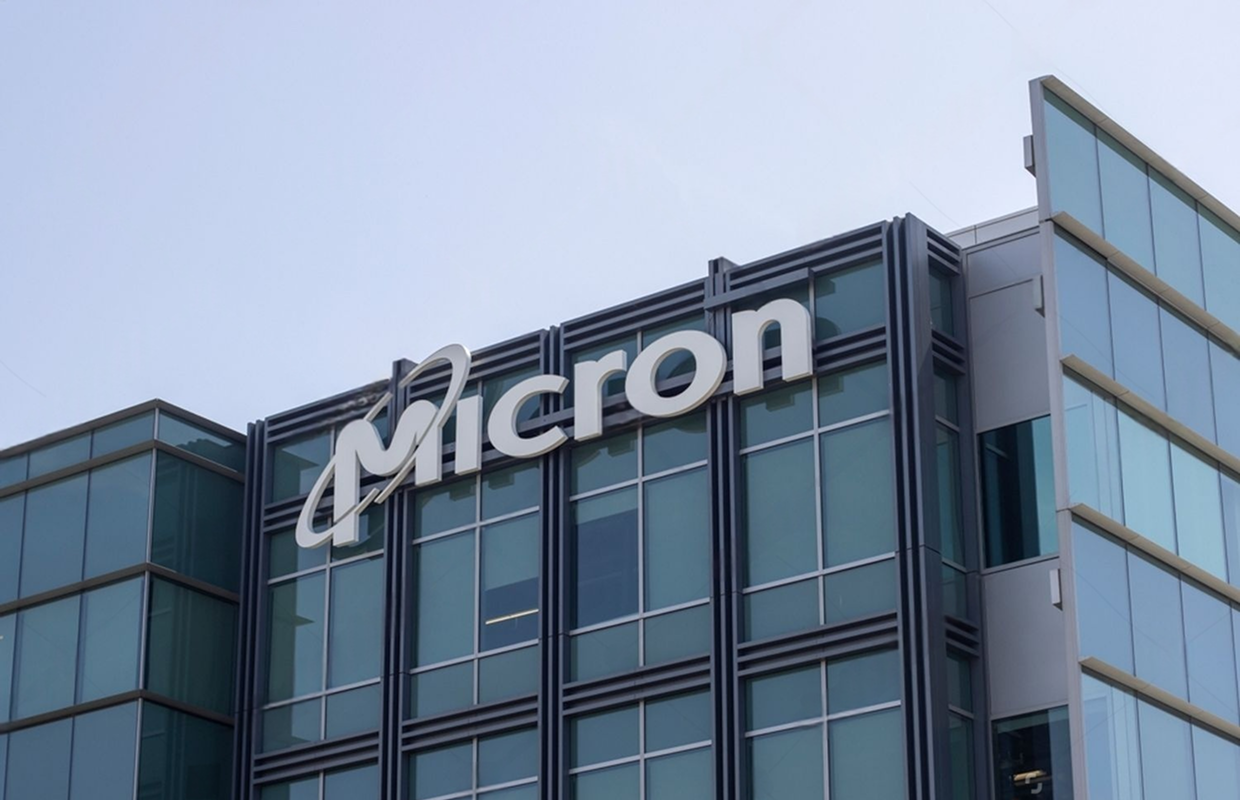
Micron Technology Inc. (NASDAQ: MU) came under selling pressure in recent trading sessions as semiconductor stocks experienced a broader pullback. The move reflects a recalibration in investor expectations following a strong AI-driven rally across chipmakers earlier in the year. While structural demand for memory and high-bandwidth chips remains intact, short-term volatility in pricing and sentiment has triggered profit-taking across the sector.
Sector Rotation and Profit-Taking Drive Near-Term Weakness
The decline in Micron stock appears closely tied to broader sector rotation within the technology space. After a sustained rally driven by artificial intelligence optimism, investors have begun rotating capital into defensive and non-tech segments, leading to pressure on high-beta semiconductor names.
In this environment, Micron has been particularly sensitive due to its exposure to cyclical memory pricing. Even modest concerns about demand normalization can trigger outsized price reactions. The stock’s recent move reflects a combination of profit-taking after strong gains and repositioning ahead of upcoming macroeconomic signals, including inflation data and central bank policy expectations.
Additionally, volatility in large-cap technology leaders has contributed to uneven sentiment across the chip ecosystem. As a result, even companies with improving fundamentals have experienced short-term corrections driven more by positioning than by fundamental deterioration.
Memory Cycle Dynamics and AI Demand Still Support Long-Term Narrative
Despite the pullback, the broader investment case for Micron remains anchored in the evolving memory semiconductor cycle. Demand for DRAM and NAND solutions continues to be influenced by the rapid expansion of AI infrastructure, particularly in data centers requiring high-bandwidth memory architectures.
However, pricing stability remains a key concern. Memory markets are historically cyclical, and periods of strong demand are often followed by rapid inventory adjustments. Investors are closely monitoring whether recent strength in AI-related demand can offset softness in other end markets such as consumer electronics and personal computing.
Supply discipline among major producers has helped stabilize the cycle, but uncertainty persists regarding how quickly pricing power can recover if global demand moderates. This tension between structural growth and cyclical pressure continues to define Micron’s near-term performance outlook.
Outlook: Balancing AI Tailwinds Against Cyclical Risks
Looking ahead, Micron’s trajectory will likely depend on the balance between AI-driven demand acceleration and traditional semiconductor cycle normalization. Continued investment in artificial intelligence infrastructure by hyperscale cloud providers remains a key support factor, particularly for high-performance memory products.
At the same time, investors are watching for signs of inventory buildup across distribution channels, which could signal short-term pricing pressure. Global macroeconomic conditions, including interest rate expectations and industrial demand trends, may also influence sentiment toward cyclical semiconductor equities.
For Israel-linked technology exposure—particularly firms in semiconductor design, AI infrastructure, and cloud services—Micron’s performance is often viewed as a broader indicator of global chip demand trends. Any sustained weakness in memory pricing could ripple across adjacent technology supply chains, while stabilization could reinforce the broader AI investment narrative.
In the near term, market participants are expected to focus on upcoming earnings guidance, data-center demand indicators, and any updates on supply adjustments from major memory producers. While volatility may persist, the long-term structural case tied to AI compute expansion continues to underpin strategic interest in the semiconductor sector.
Comparison, examination, and analysis between investment houses
Leave your details, and an expert from our team will get back to you as soon as possible
* This article, in whole or in part, does not contain any promise of investment returns, nor does it constitute professional advice to make investments in any particular field.
To read more about the full disclaimer, click here
- Ronny Mor
- •
- 7 Min Read
- •
- ago 22 minutes
SKN | Why Vertex Stock Is Rising as Biotech Momentum Returns and Investor Confidence Strengthens
Vertex Pharmaceuticals saw its stock move higher in recent trading, reflecting renewed investor confidence in its core cystic fibrosis
- ago 22 minutes
- •
- 7 Min Read

Vertex Pharmaceuticals saw its stock move higher in recent trading, reflecting renewed investor confidence in its core cystic fibrosis

- Arik Arkadi Sluzki
- •
- 6 Min Read
- •
- ago 35 minutes
SKN | Volkswagen Falls to 15-Year Low as Job Cut Reports Deepen Structural Auto Sector Concerns
Volkswagen has come under significant selling pressure after reports indicated that the company may consider up to 100,000 job
- ago 35 minutes
- •
- 6 Min Read

Volkswagen has come under significant selling pressure after reports indicated that the company may consider up to 100,000 job

- Lior mor
- •
- 7 Min Read
- •
- ago 46 minutes
SKN | SpaceX Enters Nasdaq-100: What the Index Inclusion Means After SPCX IPO Momentum
Global markets reacted to the inclusion of SpaceX in the Nasdaq-100 index, a move that underscores the increasing integration
- ago 46 minutes
- •
- 7 Min Read

Global markets reacted to the inclusion of SpaceX in the Nasdaq-100 index, a move that underscores the increasing integration

- omer bar
- •
- 7 Min Read
- •
- ago 1 hour
SKN | Why SanDisk Stock Is Dropping as Memory Market Pressure and Semiconductor Volatility Resurface
SanDisk stock came under selling pressure in recent trading as sentiment across the semiconductor sector weakened, particularly within memory-focused
- ago 1 hour
- •
- 7 Min Read

SanDisk stock came under selling pressure in recent trading as sentiment across the semiconductor sector weakened, particularly within memory-focused


