


- sagi habasov
- •
- 6 Min Read
- •
- 9 hours ago
Key Points
- The yen is approaching 160 per dollar, a level historically linked to potential Japanese currency intervention.
- The current yen weakness is driven by safe-haven demand for the dollar and rising oil prices rather than speculation.
- Japan may rely on global coordination or interest rate adjustments instead of immediate currency intervention.
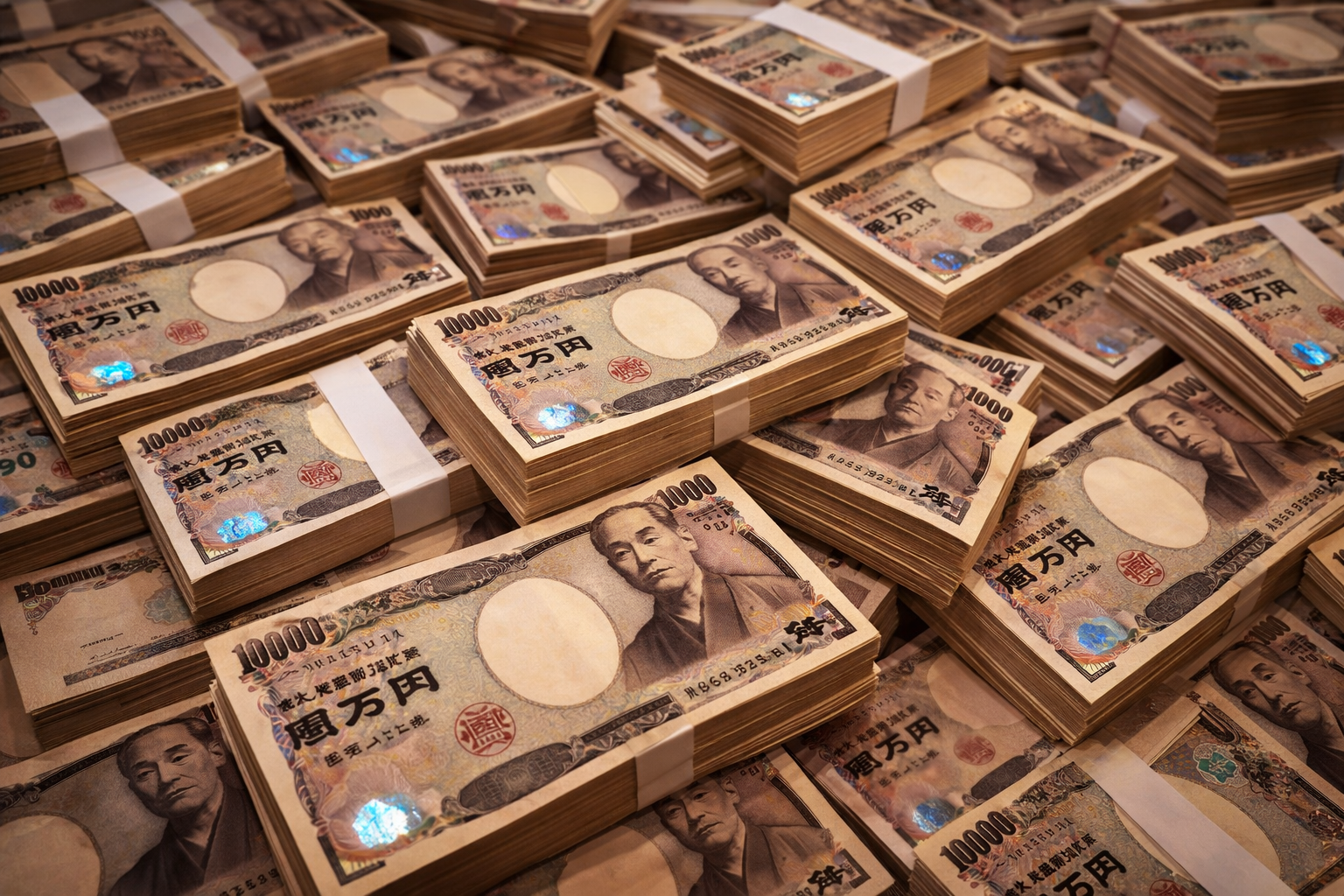
Japan is facing renewed pressure on its currency as the yen drifts closer to the psychologically important 160-per-dollar level, yet authorities appear increasingly reluctant to intervene in foreign exchange markets. The shift reflects changing market dynamics, where the recent depreciation of the yen is driven less by speculative trading and more by global macroeconomic forces such as rising oil prices and heightened demand for the U.S. dollar as a safe-haven asset. With geopolitical tensions in the Middle East pushing energy prices higher, policymakers are weighing whether currency intervention would be effective in stabilizing the yen.
Global Factors Now Driving Yen Weakness
Unlike previous episodes of yen depreciation, the current decline appears to be fueled primarily by global risk dynamics rather than speculative currency trades. Investors have been shifting funds toward the U.S. dollar as geopolitical tensions intensify and energy prices rise. Japan, a major energy importer, is particularly vulnerable to oil price shocks, which can worsen its trade balance and place additional downward pressure on the currency. As crude oil prices surge due to disruptions linked to the Iran conflict, concerns about higher import costs and inflation are contributing to renewed weakness in the yen.
Limited Evidence of Speculative Pressure
One reason Japanese authorities may hesitate to intervene is the absence of large speculative positions betting against the yen. Currency intervention tends to be most effective when it counters excessive speculation, such as during earlier episodes in 2022 and 2024 when traders built massive short positions against the Japanese currency. Current data from the U.S. Commodity Futures Trading Commission shows net short positions of roughly 16,500 contracts—far below the roughly 180,000 contracts recorded during previous intervention periods. Without significant speculative pressure to unwind, policymakers fear that intervention might have only a limited and temporary impact.
International Coordination Remains a Key Consideration
Japan typically justifies currency intervention under a Group of Seven framework that allows authorities to act against excessive volatility caused by speculative market behavior. If the yen’s decline reflects underlying economic fundamentals rather than speculation, Tokyo may struggle to gain international support for unilateral action. As a result, Japanese officials have increasingly focused on addressing the root cause of market volatility—surging oil prices—by coordinating with global partners. Japan has already released part of its strategic oil reserves and encouraged other countries to consider similar measures through the International Energy Agency.
Market Outlook
If the yen continues to weaken despite international efforts to stabilize energy markets, Japan may eventually need to consider alternative policy tools. Some analysts believe the Bank of Japan could accelerate interest rate increases to narrow the gap between U.S. and Japanese borrowing costs, which has been a major factor behind long-term currency weakness. However, raising rates too quickly could create new risks for Japan’s fragile economic recovery. As a result, policymakers will likely continue monitoring energy markets, geopolitical developments, and currency volatility before deciding whether direct intervention or monetary policy adjustments become necessary.
Comparison, examination, and analysis between investment houses
Leave your details, and an expert from our team will get back to you as soon as possible
* This article, in whole or in part, does not contain any promise of investment returns, nor does it constitute professional advice to make investments in any particular field.
To read more about the full disclaimer, click here
- orshu
- •
- 7 Min Read
- •
- ago 1 day
SKN | U.S. Dollar Strengthens as Global Markets Turn Defensive — What the DXY Rally Signals for Investors
The U.S. Dollar Index (DXY) advanced during the March 12 trading session, climbing to approximately 99.68, up 0.45% from
- ago 1 day
- •
- 7 Min Read

The U.S. Dollar Index (DXY) advanced during the March 12 trading session, climbing to approximately 99.68, up 0.45% from
- orshu
- •
- 7 Min Read
- •
- ago 2 days
SKN | U.S. Dollar Index Climbs Above 99 as Currency Markets React to Shifting Global Risk Sentiment
The U.S. Dollar Index (DXY), which measures the dollar’s strength against a basket of major global currencies, moved higher
- ago 2 days
- •
- 7 Min Read

The U.S. Dollar Index (DXY), which measures the dollar’s strength against a basket of major global currencies, moved higher
- orshu
- •
- 7 Min Read
- •
- ago 4 days
SKN | U.S. Dollar Index Edges Higher on March 9 as Investors Monitor Global Risk Sentiment
The U.S. Dollar Index (DX-Y.NYB), which measures the performance of the dollar against a basket of major global currencies,
- ago 4 days
- •
- 7 Min Read

The U.S. Dollar Index (DX-Y.NYB), which measures the performance of the dollar against a basket of major global currencies,

- sagi habasov
- •
- 7 Min Read
- •
- ago 4 days
SKN | Why Are Global Bond Markets Plunging? Oil Above $115 Sparks Inflation Fears and Rate Shock
A dramatic surge in oil prices triggered a global bond market sell-off as investors scrambled to reassess inflation risks and
- ago 4 days
- •
- 7 Min Read

A dramatic surge in oil prices triggered a global bond market sell-off as investors scrambled to reassess inflation risks and

