


- Lior mor
- •
- 7 Min Read
- •
- 4 months ago
Key Points
- Walmart delivered stronger-than-expected Q3 earnings and lifted its full-year outlook.
- Grocery and eCommerce strength continued to offset weakness in discretionary categories.
- The company warned of growing pressure on low-income consumers despite broad sales gains.
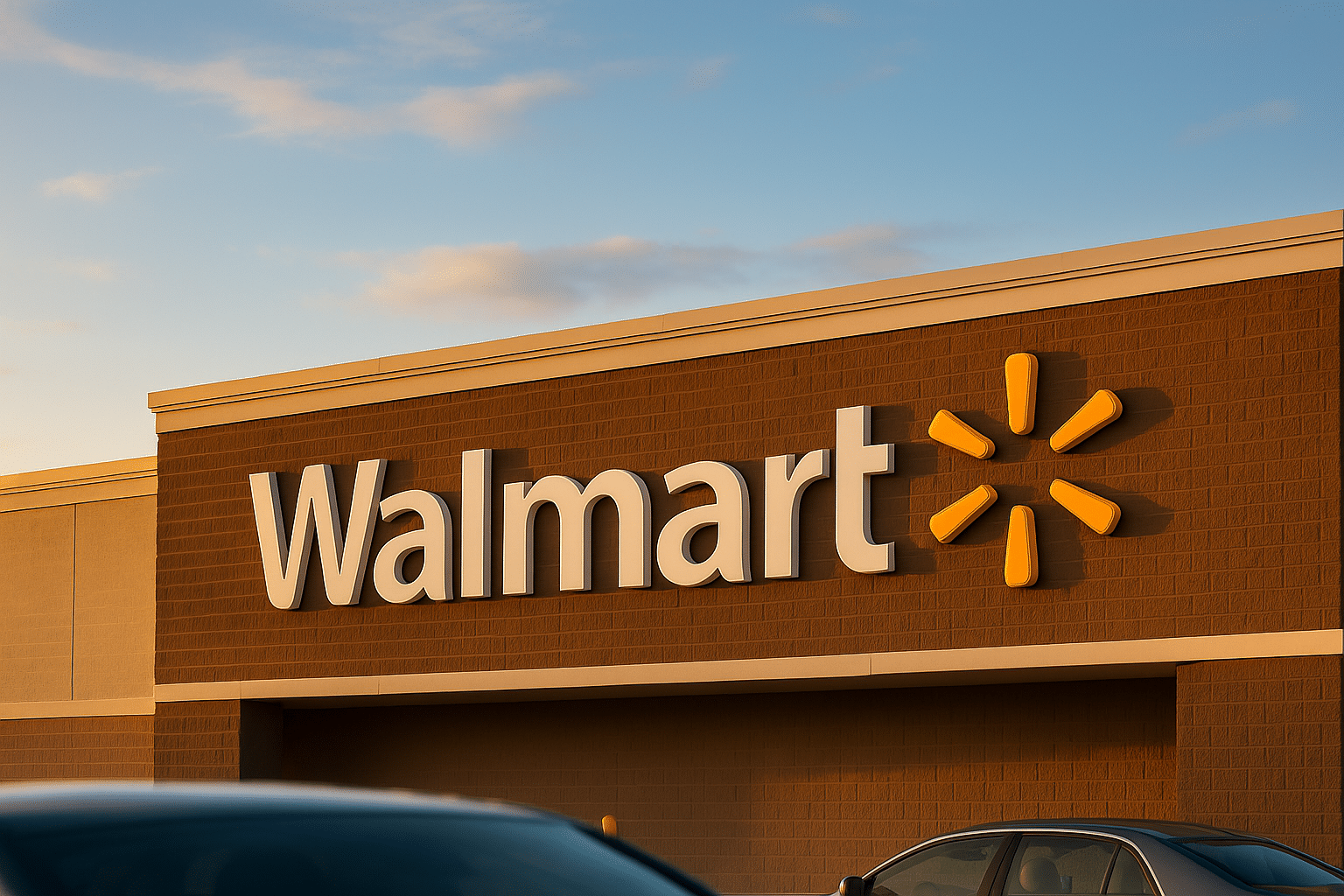
Walmart’s latest quarterly results offer a revealing snapshot of U.S. consumer behavior at a time of mixed economic signals, with rising wage disparities, strained household budgets and shifting spending patterns defining the retail landscape. The world’s largest retailer surpassed earnings and revenue expectations in its fiscal third quarter, lifting its full-year guidance and reaffirming its position as one of the most resilient players in a volatile retail environment. Its performance stands in clear contrast to several peers who have issued more cautious outlooks amid weakening discretionary demand.
Stronger Revenue Performance Driven by Traffic and Ticket Growth
Walmart reported revenue of $179.5 billion, up 6% from a year earlier and above consensus estimates. Same-store sales in the United States rose 4.5%, supported by a 1.8% increase in customer traffic and a 2.7% rise in the average ticket. Executives noted broad-based strength across income levels, with higher-income households continuing to shift spending toward Walmart’s stores and online platforms. This migration has been driven partly by persistent inflation in everyday essentials and Walmart’s aggressive price rollbacks, which have amplified its value proposition. The company also delivered adjusted earnings per share of $0.62, exceeding analyst expectations and reinforcing investor confidence.
Revised Outlook Reflects Confidence Ahead of the Holiday Season
The retailer raised its full-year forecast, now expecting net sales growth between 4.8% and 5.1%, compared with the earlier projection of up to 4.75%. Adjusted full-year earnings are projected between $2.58 and $2.63 per share, marking an improvement from prior guidance. The announcement helped lift Walmart’s stock as much as 2.9% in early trading. The decision to increase guidance ahead of the crucial holiday shopping period underscores management’s conviction that the company’s pricing strategy, digital expansion and grocery dominance will continue to drive performance, even as macroeconomic uncertainty persists.
Grocery Strength and eCommerce Growth Offset Pressures in Other Segments
Grocery, which accounts for roughly 60% of Walmart’s U.S. revenue, delivered low single-digit growth. Executives credited both competitive pricing and delivery convenience for gains in unit volume. Walmart also highlighted continued momentum in its global eCommerce operations, which grew 27% year over year—an acceleration driven by marketplace expansion, improved logistics and rising demand for online grocery fulfillment. However, not all segments outperformed. Sam’s Club reported slower growth at 3.8%, falling short of expectations, a reminder that warehouse-club spending is also feeling the effects of consumer caution.
Growing Strain on Lower-Income Households Raises Risks Ahead
Despite broad topline strength, Walmart executives emphasized growing pressure on lower-income consumers. CFO John David Rainey warned that wage growth disparities between low- and high-income households have reached their widest point in nearly a decade, contributing to softer spending trends among value-sensitive shoppers. This dynamic poses a key risk as Walmart enters the holiday quarter, when even small shifts in household budgets can meaningfully affect retail performance. For now, strength among higher-income shoppers and ongoing market share gains in grocery appear to be cushioning the impact.
Looking Ahead
Walmart enters the final quarter of the year with momentum supported by strategic pricing, digital scale and broad appeal across income groups. Yet sustained wage inequality, inflation pressures and a fragile economic backdrop may challenge household spending in the months ahead. Investors will focus on whether Walmart’s expanding eCommerce platform and strong grocery franchise can continue to offset discretionary softness, and whether rising capital expenditures—projected at 3.5% of net sales—will translate into long-term competitive advantage.
Comparison, examination, and analysis between investment houses
Leave your details, and an expert from our team will get back to you as soon as possible
* This article, in whole or in part, does not contain any promise of investment returns, nor does it constitute professional advice to make investments in any particular field.
To read more about the full disclaimer, click here
- Lior mor
- •
- 6 Min Read
- •
- ago 1 hour
SKN | Zoom (ZM) Under Pressure: 3 Structural Challenges and a Stronger Alternative Emerging
Zoom Video Communications (NASDAQ: ZM) has struggled to regain its pandemic-era momentum, with its stock reflecting a broader shift
- ago 1 hour
- •
- 6 Min Read
Zoom Video Communications (NASDAQ: ZM) has struggled to regain its pandemic-era momentum, with its stock reflecting a broader shift

- omer bar
- •
- 6 Min Read
- •
- ago 1 hour
SKN | SoundHound AI (SOUN) Drops 20% in a Month — Market Reset or Warning Signal for AI Valuations?
SoundHound AI (NASDAQ: SOUN) experienced a sharp pullback over the past month, with shares falling approximately 20% amid a
- ago 1 hour
- •
- 6 Min Read

SoundHound AI (NASDAQ: SOUN) experienced a sharp pullback over the past month, with shares falling approximately 20% amid a

- orshu
- •
- 6 Min Read
- •
- ago 2 hours
SKN | Markets Extend Gains on April 1, 2026 as Tech Leads and Volatility Continues to Ease
U.S. equity markets closed higher on Wednesday, April 1, 2026, extending their recent rebound as investor sentiment continued to improve.
- ago 2 hours
- •
- 6 Min Read

U.S. equity markets closed higher on Wednesday, April 1, 2026, extending their recent rebound as investor sentiment continued to improve.
- orshu
- •
- 7 Min Read
- •
- ago 2 hours
SKN | Intel (INTC) Jumps After Strategic Shift — Is the Turnaround Gaining Credibility?
Intel Corporation (NASDAQ: INTC) saw its stock climb sharply on April 1, gaining 8.84 percent to close at 48.03,
- ago 2 hours
- •
- 7 Min Read
Intel Corporation (NASDAQ: INTC) saw its stock climb sharply on April 1, gaining 8.84 percent to close at 48.03,

