


- orshu
- •
- 7 Min Read
- •
- 18 seconds ago
Key Points
- Japan’s Nikkei 225 reached a new record high despite broader weakness across Asia
- Extended Iran ceasefire is supporting risk appetite but uncertainty continues to weigh on sentiment
- Mixed signals from oil prices, trade data, and central bank expectations are driving divergence
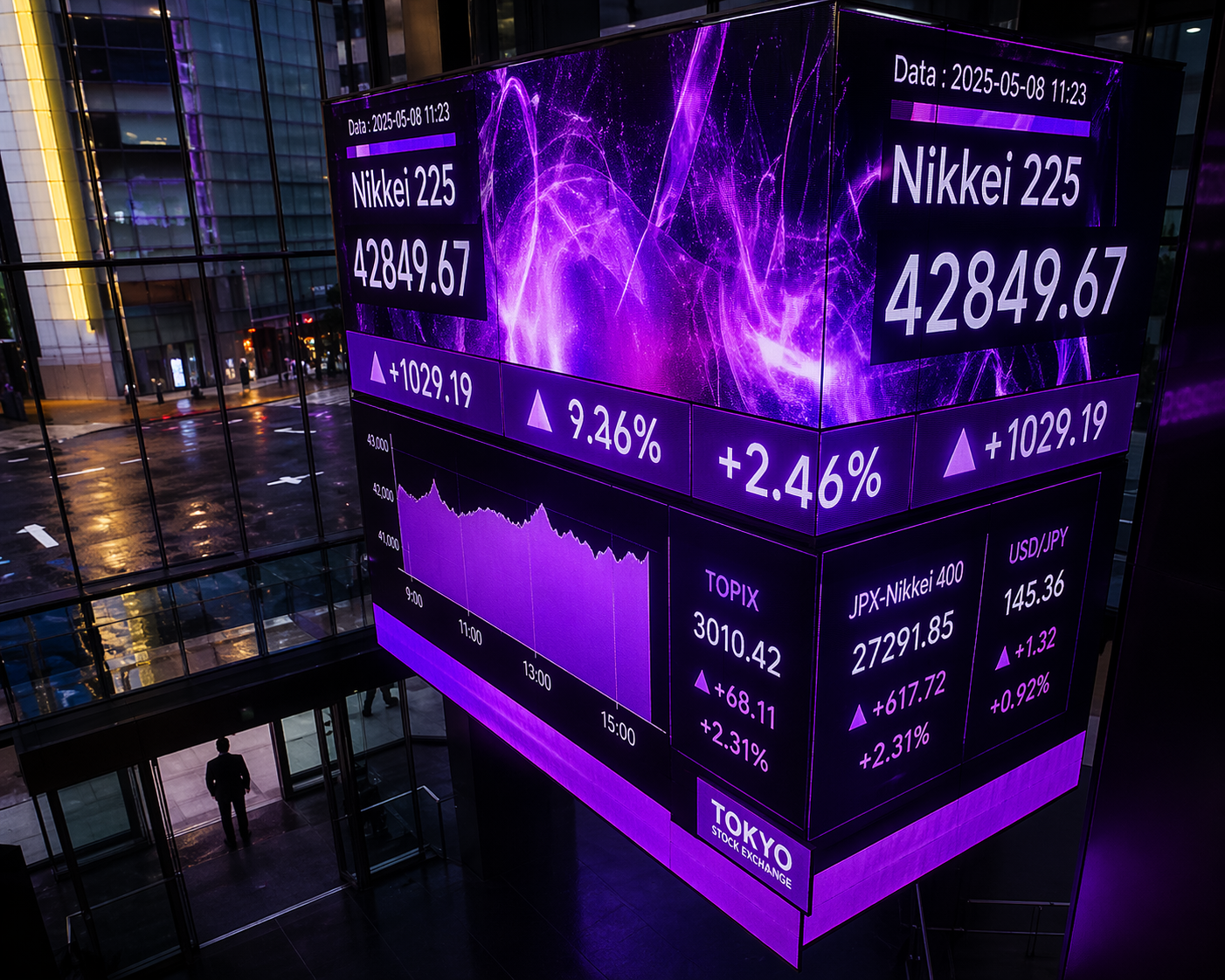
Asia-Pacific markets delivered a mixed performance as geopolitical developments continued to shape investor sentiment. Japan stood out, with the Nikkei 225 climbing to a fresh record high, even as most regional markets declined. The divergence highlights how local economic strength and global risk factors are pulling markets in different directions, particularly as Donald Trump extended the Iran ceasefire without securing a clear diplomatic breakthrough.
Japan’s Market Strength Driven by Trade and Corporate Momentum
The Nikkei’s rally to a record near 59,700 reflects a combination of strong domestic data and continued investor confidence in Japan’s corporate sector. Export growth extended for a seventh consecutive month, reinforcing the country’s position as a key beneficiary of global demand, particularly in technology and industrial goods.
At the same time, corporate developments added momentum. Shares of SoftBank Group surged following leadership expansion tied to its subsidiary Arm Holdings, signaling continued focus on high growth areas such as artificial intelligence and semiconductor design.
This combination of macro strength and corporate catalysts has helped Japan outperform peers, even as broader regional sentiment remains cautious. However, the decline in the Topix index suggests that gains are not evenly distributed, with selective strength rather than broad based participation.
Geopolitical Uncertainty Weighs on Regional Markets
Across the rest of Asia, markets struggled to maintain momentum as uncertainty surrounding U.S. Iran negotiations persisted. The ceasefire extension provided temporary relief, but the lack of progress in talks and Iran’s decision to skip negotiations have raised concerns about a prolonged conflict.
This uncertainty has had a ripple effect across asset classes. Oil prices showed volatility, reflecting shifting expectations about supply disruptions, while equity markets outside Japan saw declines as investors reduced risk exposure.
Markets in South Korea, Hong Kong, and Australia all traded lower, with profit taking emerging after recent gains. In particular, South Korea’s KOSPI showed signs of cooling after hitting record levels, while Hong Kong’s Hang Seng Index declined amid broader risk aversion.
Technology and Inflation Trends Add Complexity
Technology and inflation dynamics are adding further layers to the regional outlook. In South Korea, shares of SK Hynix slipped despite strong long term demand for memory chips, as the company plans significant capital investment to support AI driven growth.
Meanwhile, rising producer prices in South Korea highlight how higher energy costs are feeding into inflation, a trend that could influence central bank policy across the region. Investors are also closely watching the upcoming policy meeting of the Bank of Japan, which may provide additional signals on monetary direction.
These factors illustrate the complex environment facing markets, where strong structural growth in areas like AI coexists with inflation pressures and geopolitical risks.
Outlook Hinges on Policy Signals and Geopolitical Developments
Looking ahead, the trajectory of Asia markets will depend on a combination of geopolitical progress and economic policy signals. A credible resolution to the Iran conflict could stabilize energy markets and support broader risk appetite, while prolonged uncertainty may continue to weigh on sentiment.
Japan’s outperformance may persist if export strength and corporate momentum remain intact, but broader regional participation will likely require clearer direction from both global diplomacy and central banks.
In the near term, investors should monitor oil price movements, developments in U.S. Iran negotiations, and policy decisions from key institutions as indicators of whether current divergence across Asia markets will continue or begin to converge.
Comparison, examination, and analysis between investment houses
Leave your details, and an expert from our team will get back to you as soon as possible
* This article, in whole or in part, does not contain any promise of investment returns, nor does it constitute professional advice to make investments in any particular field.
To read more about the full disclaimer, click here
- orshu
- •
- 4 Min Read
- •
- ago 32 minutes
SKN | European Markets Edge Higher as Modest Gains Offset Currency Weakness
European markets closed slightly higher on Wednesday, April 22, 2026, as investors continued to cautiously build positions despite limited momentum.
- ago 32 minutes
- •
- 4 Min Read

European markets closed slightly higher on Wednesday, April 22, 2026, as investors continued to cautiously build positions despite limited momentum.

- Ronny Mor
- •
- 7 Min Read
- •
- ago 13 hours
SKN | Are Rising Oil Prices Signaling a Deeper Market Pullback as Iran Deal Uncertainty Grows
U.S. equities paused their recent rally as geopolitical uncertainty returned to the forefront, with the S and P 500 declining
- ago 13 hours
- •
- 7 Min Read

U.S. equities paused their recent rally as geopolitical uncertainty returned to the forefront, with the S and P 500 declining
- orshu
- •
- 6 Min Read
- •
- ago 15 hours
SKN | US Dollar Index Strengthens as Intraday Momentum Builds on April 21
The US Dollar Index (DXY) advanced on April 21, reflecting strengthening demand for the dollar as global investors navigated
- ago 15 hours
- •
- 6 Min Read

The US Dollar Index (DXY) advanced on April 21, reflecting strengthening demand for the dollar as global investors navigated
- orshu
- •
- 6 Min Read
- •
- ago 16 hours
SKN | European Markets Close Lower as Broad Sell-Off Weighs on Core Indices
European markets closed on April 21 with a clear downward trend, as major indices across the region posted losses.
- ago 16 hours
- •
- 6 Min Read
European markets closed on April 21 with a clear downward trend, as major indices across the region posted losses.

