





- omer bar
- •
- 6 Min Read
- •
- 2 hours ago
Key Points
- Alibaba will reportedly ban workplace use of Claude Code starting July 10 over alleged security concerns involving embedded backdoors.
- The company has not officially commented, and the allegations have not been independently verified.
- The reported move highlights the growing importance of cybersecurity, governance, and trust as enterprises expand their use of artificial intelligence tools.
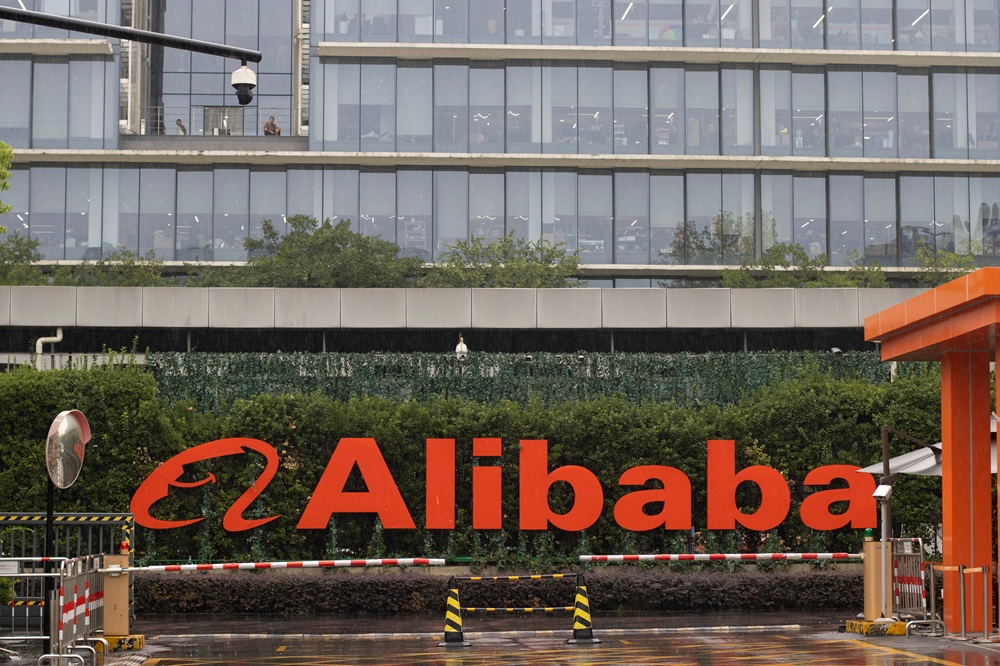
Alibaba is reportedly preparing to ban employees from using Anthropic’s Claude Code within its workplace environments, underscoring the increasing importance of cybersecurity and governance in the rapidly expanding artificial intelligence industry. According to a source familiar with the matter, the restriction will take effect on July 10 and is tied to alleged security risks involving embedded backdoors. While the claims have not been independently verified, the reported move illustrates how major technology companies are becoming more cautious about third-party AI development platforms as enterprise adoption accelerates.
Reported Ban Reflects Heightened Enterprise Security Standards
The reported policy would prevent Alibaba employees from using Claude Code in internal workplace environments beginning July 10. According to the source, the decision stems from concerns over alleged embedded backdoor vulnerabilities that could potentially expose sensitive corporate systems or proprietary information. Alibaba has not officially commented on the report, and no public technical evidence supporting the allegations has been released.
The development was first reported by Chinese financial news outlet Yicai. Until additional details emerge, it remains unclear whether the restriction is based on internal security assessments, regulatory considerations, or broader corporate risk management policies.
AI Development Tools Face Growing Regulatory and Security Attention
The reported action reflects a broader trend among large enterprises that are strengthening governance around generative artificial intelligence platforms. As AI coding assistants become increasingly integrated into software development workflows, companies are placing greater emphasis on protecting intellectual property, source code, customer data, and internal systems from potential cybersecurity threats.
Technology firms worldwide have introduced stricter policies governing the use of external AI models, particularly those capable of accessing proprietary codebases or confidential business information. Many organizations now require extensive security reviews before approving third-party AI tools for enterprise deployment, especially in highly regulated industries or critical infrastructure environments.
Enterprise AI Competition Extends Beyond Performance
The reported decision also highlights how competition among AI providers is expanding beyond model capabilities to include security, transparency, and enterprise trust. While coding assistants such as Claude Code, GitHub Copilot, and other generative AI development tools continue gaining popularity among software engineers, corporate customers increasingly evaluate vendors based on governance standards, data handling practices, and compliance with internal cybersecurity requirements.
As organizations invest billions of dollars in artificial intelligence infrastructure and software, confidence in platform security has become a strategic differentiator alongside model performance and productivity gains. Any perception of security vulnerabilities—even if unverified—can influence enterprise adoption decisions and procurement strategies.
Looking ahead, investors and industry participants will closely monitor whether Alibaba provides further clarification regarding the reported policy and whether other large technology companies adopt similar restrictions. As enterprise AI deployment continues to expand globally, security assurance, regulatory compliance, and responsible AI governance are likely to become increasingly important factors shaping adoption across both public and private sectors.
Comparison, examination, and analysis between investment houses
Leave your details, and an expert from our team will get back to you as soon as possible
* This article, in whole or in part, does not contain any promise of investment returns, nor does it constitute professional advice to make investments in any particular field.
To read more about the full disclaimer, click here
- Lior mor
- •
- 6 Min Read
- •
- ago 8 hours
SKN | Why Is Kratos Defense (KTOS) Stock Trading Higher and What’s Driving Investor Momentum?
Kratos Defense & Security Solutions (NASDAQ: KTOS) is trading higher as investor sentiment improves across the defense technology sector. The
- ago 8 hours
- •
- 6 Min Read
Kratos Defense & Security Solutions (NASDAQ: KTOS) is trading higher as investor sentiment improves across the defense technology sector. The
- Lior mor
- •
- 7 Min Read
- •
- ago 9 hours
SKN | What Is Driving Apple Stock Higher as Investor Sentiment Improves?
Apple Inc. (NASDAQ: AAPL) is trading higher as technology stocks regain momentum across global markets, supported by improving risk sentiment
- ago 9 hours
- •
- 7 Min Read

Apple Inc. (NASDAQ: AAPL) is trading higher as technology stocks regain momentum across global markets, supported by improving risk sentiment

- Ronny Mor
- •
- 7 Min Read
- •
- ago 9 hours
SKN | Why Is Fair Isaac Stock Climbing as Credit Analytics Demand Remains Resilient?
Fair Isaac Corporation (NYSE: FICO) is trading higher as investors continue to favor companies with durable recurring revenue models and
- ago 9 hours
- •
- 7 Min Read

Fair Isaac Corporation (NYSE: FICO) is trading higher as investors continue to favor companies with durable recurring revenue models and
- Lior mor
- •
- 7 Min Read
- •
- ago 12 hours
SKN | Where Could SpaceX Be One Year From Now? Growth Catalysts and Valuation Questions Take Center Stage
SpaceX has rapidly become one of the world's most closely watched aerospace companies, with investors evaluating whether its ambitious
- ago 12 hours
- •
- 7 Min Read
SpaceX has rapidly become one of the world's most closely watched aerospace companies, with investors evaluating whether its ambitious


