


- Lior mor
- •
- 7 Min Read
- •
- 4 hours ago
Key Points
- Momentum dynamics and liquidity flows often accelerate as Bitcoin reaches new price highs.
- Higher prices can reinforce institutional adoption, ETF inflows, and balance sheet allocations.
- Rising valuations reshape market structure, miner economics, and long-term supply behavior.
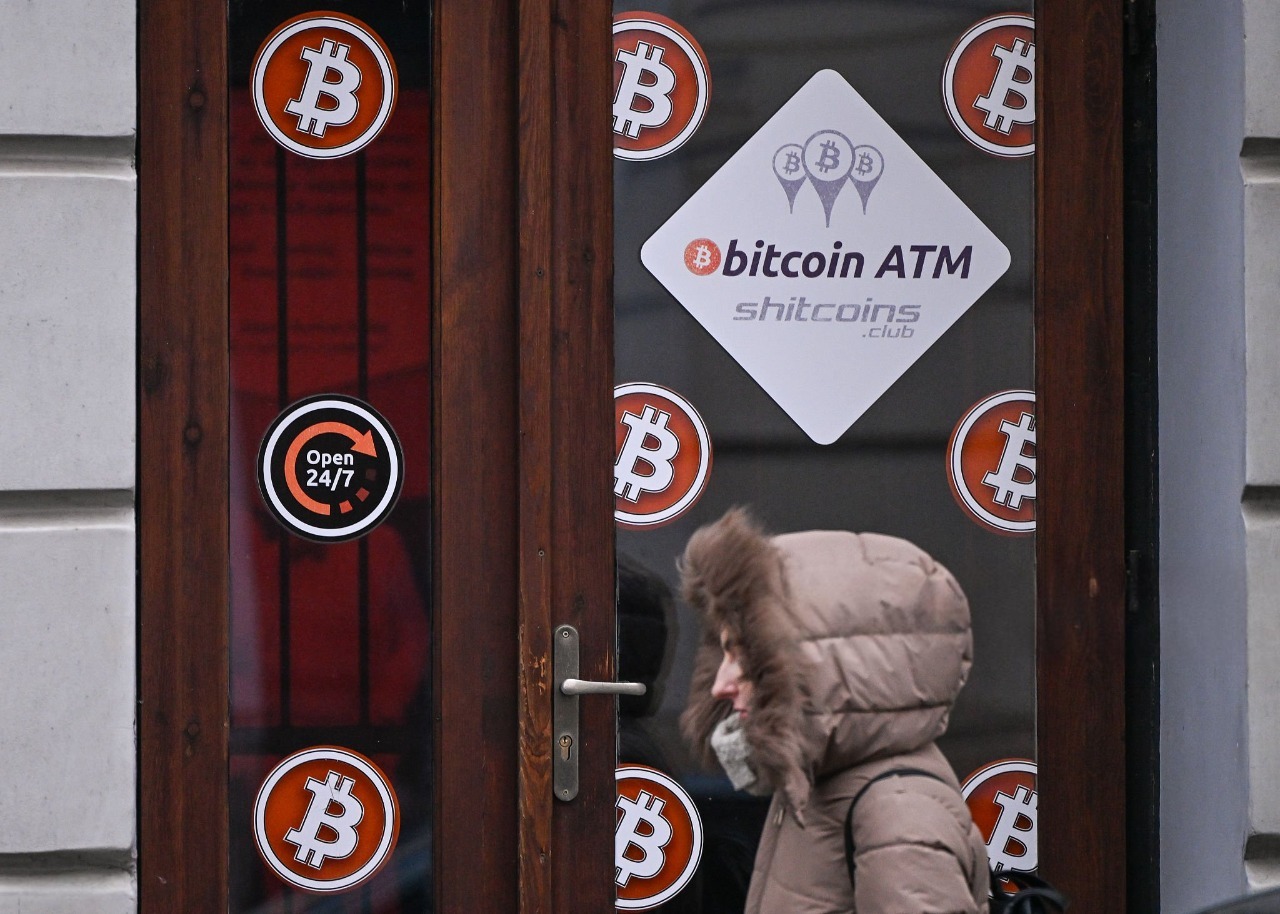
Bitcoin’s rallies have historically attracted skepticism at elevated levels, yet market data increasingly suggest that higher prices themselves can become a structural tailwind. As digital assets mature and institutional participation deepens, price appreciation is not merely a byproduct of demand—it can also be a driver of further capital inflows.
For global investors, including Israeli institutions gaining exposure through regulated vehicles and offshore platforms, understanding why rising prices may reinforce Bitcoin’s position is critical in assessing portfolio risk and opportunity.
Momentum and Liquidity: The Self-Reinforcing Effect
Financial markets often exhibit reflexivity, where price trends influence investor behavior. Bitcoin has demonstrated this phenomenon repeatedly. During prior cycles—most notably in 2017 and 2020–2021—breakouts above key psychological thresholds coincided with surges in trading volume and new participant entry.
Higher prices tend to validate the asset’s durability in the eyes of institutional allocators. Exchange-traded products tracking Bitcoin have recorded stronger inflows during periods of price acceleration, suggesting that performance momentum influences asset allocation decisions. This dynamic differs from traditional commodities, where price spikes may dampen demand; in digital assets, appreciation often attracts additional liquidity.
Such momentum-driven flows can also tighten available supply. Long-term holders historically reduce selling activity during sustained uptrends, reinforcing upward pressure. While volatility remains elevated compared to equities or bonds, the pattern of price-led inflows has become a recurring feature of the asset class.
Institutional Adoption and Balance Sheet Signaling
As Bitcoin’s market capitalization expands during price rallies, it becomes more investable for larger institutions bound by liquidity constraints. Pension funds, hedge funds, and sovereign wealth vehicles typically require deep markets to execute sizable allocations without materially impacting price.
Rising valuations also strengthen the optics of corporate treasury exposure. Public companies that have added Bitcoin to balance sheets often see increased market attention during bullish cycles. Higher prices can therefore enhance the perceived credibility of such strategies, reinforcing adoption narratives.
For Israeli fintech firms and technology-focused investors, global institutional validation matters. Increased cross-border participation improves market depth and regulatory clarity, further embedding digital assets within mainstream capital markets.
Mining Economics and Supply Discipline
Bitcoin’s fixed supply structure amplifies the effects of demand surges. When prices rise, mining profitability improves, supporting network security and capital investment in infrastructure. At the same time, miners may hold a greater share of newly minted coins during bullish conditions, reducing immediate supply to exchanges.
This interplay between price and supply behavior creates feedback loops. Stronger mining margins attract capital expenditure, while constrained circulating supply can accentuate price swings. The halving mechanism, which reduces issuance over time, further intensifies these dynamics when paired with robust demand.
However, higher prices also raise expectations. Volatility may increase as leveraged positions expand, and regulatory scrutiny can intensify when valuations reach new peaks. Investors must therefore distinguish between sustainable structural adoption and speculative excess.
Looking ahead, the trajectory of global liquidity, central bank policy signals, and institutional flows into digital asset vehicles will likely shape whether higher prices continue to act as a catalyst. Monitoring ETF inflows, on-chain activity, and miner selling patterns may provide early indicators of durability. While price appreciation alone does not eliminate risk, the evolving market structure suggests that in Bitcoin’s case, strength can beget strength—at least as long as liquidity and conviction remain aligned.
Comparison, examination, and analysis between investment houses
Leave your details, and an expert from our team will get back to you as soon as possible
* This article, in whole or in part, does not contain any promise of investment returns, nor does it constitute professional advice to make investments in any particular field.
To read more about the full disclaimer, click here
- sagi habasov
- •
- 6 Min Read
- •
- ago 1 minute
SKN | Are U.S. Stocks Entering a Deeper Correction as AI Disruption Fears Stall the Rally?
U.S. stock futures were little changed Monday evening as Wall Street attempted to stabilize after two straight weekly declines in
- ago 1 minute
- •
- 6 Min Read

U.S. stock futures were little changed Monday evening as Wall Street attempted to stabilize after two straight weekly declines in

- orshu
- •
- 7 Min Read
- •
- ago 4 hours
SKN | Rotating Out of Risk: Which Stock Traits Matter Most in a Defensive Market Shift?
As global equity markets navigate heightened volatility, persistent geopolitical tensions, and shifting interest-rate expectations, investors are increasingly reassessing portfolio
- ago 4 hours
- •
- 7 Min Read

As global equity markets navigate heightened volatility, persistent geopolitical tensions, and shifting interest-rate expectations, investors are increasingly reassessing portfolio
- orshu
- •
- 6 Min Read
- •
- ago 7 hours
SKN | Europe Closes Mixed on February 16: DAX Slides as UK Outperforms Amid Currency Stability
European equity markets ended February 16 with a divided tone as investors balanced selective buying in the UK and
- ago 7 hours
- •
- 6 Min Read

European equity markets ended February 16 with a divided tone as investors balanced selective buying in the UK and
- orshu
- •
- 7 Min Read
- •
- ago 7 hours
SKN | Israel Market Close Today, February 16, 2026: Equities Extend Gradual Climb as Sector-Balance and Mid-Caps Lead Gains
Israeli financial markets closed today, February 16, 2026, with moderate gains across the equity complex as investors maintained a constructive
- ago 7 hours
- •
- 7 Min Read

Israeli financial markets closed today, February 16, 2026, with moderate gains across the equity complex as investors maintained a constructive

