


- Lior mor
- •
- 6 Min Read
- •
- 11 hours ago
Key Points
- Apple reduced App Store commissions in China from 30% to 25%, with smaller developers paying 12%.
- The move could save Chinese developers more than 6 billion yuan annually in operating costs.
- Global regulatory pressure continues to challenge Apple’s long-standing App Store fee structure.
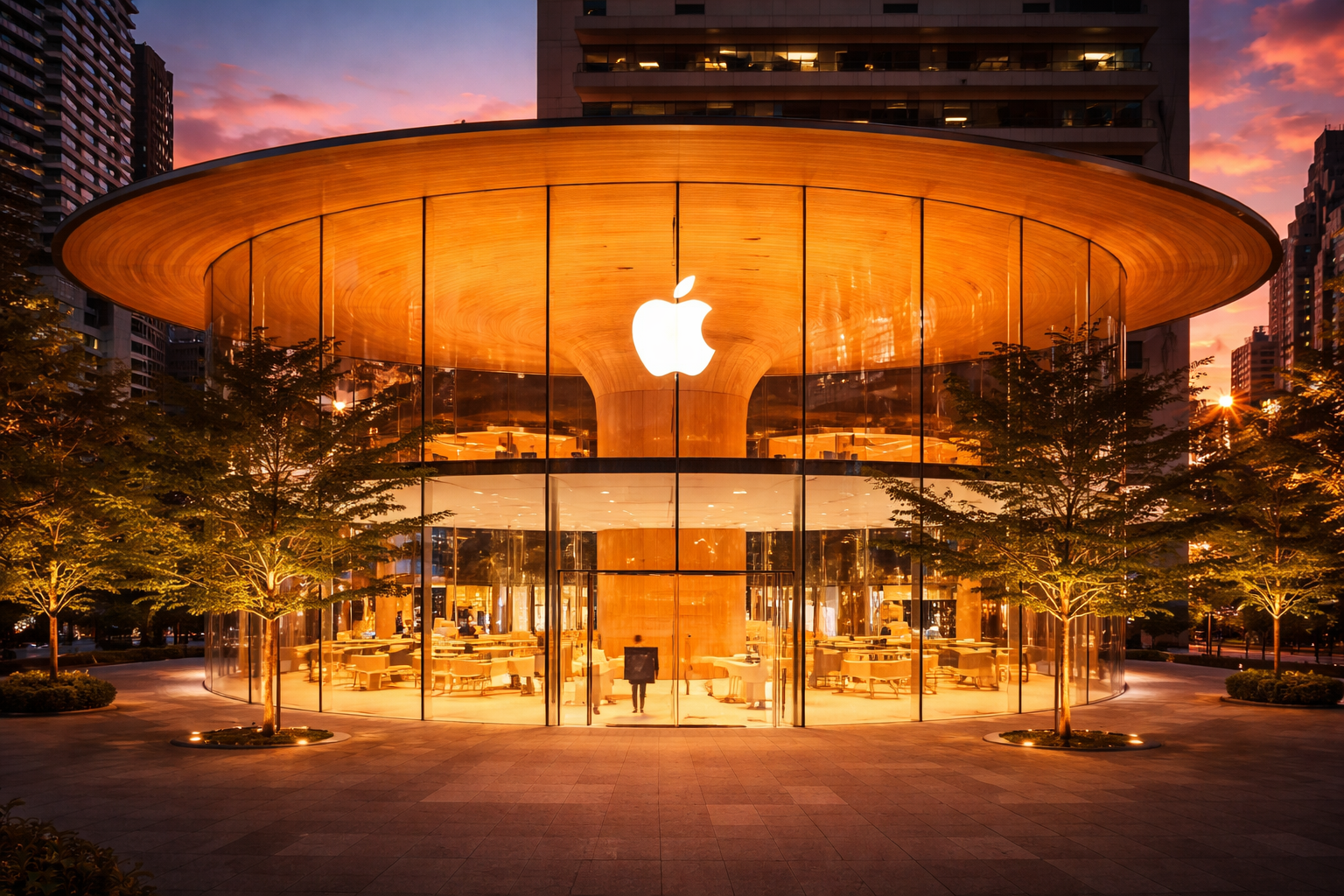
Apple has announced a reduction in App Store commission fees in mainland China, marking a significant policy shift in one of its most important global markets. The move comes after mounting pressure from Chinese regulators and ongoing global scrutiny of the company’s app marketplace practices. Starting this week, Apple will reduce its standard commission on in-app purchases and paid transactions from 30% to 25%, while smaller developers in certain programs will see their fees fall to 12% from 15%. The decision is expected to save Chinese developers billions of yuan annually and could reshape competition within China’s rapidly expanding digital services ecosystem.
Commission Cuts Offer Major Relief for Chinese Developers
Under the revised fee structure, Apple will lower the commission it collects from App Store transactions in mainland China, reducing the long-standing 30% fee often referred to as the “Apple Tax.” Developers participating in Apple’s small business program and mini-app ecosystem will see even deeper reductions, with commission rates falling to 12%. The policy change is expected to lower operating costs for Chinese app developers by more than 6 billion yuan, according to local estimates. The savings could also benefit consumers if companies pass on lower costs through reduced subscription prices, gaming purchases, and digital services.
China’s Super-App Ecosystem Gains Strategic Advantage
The fee reduction could particularly benefit operators of China’s dominant “super apps,” including platforms run by Tencent and ByteDance. These companies host large ecosystems of smaller applications that operate within their main platforms, often referred to as mini apps. Because these smaller programs rely heavily on in-app purchases and digital payments, lower commission rates could significantly improve profitability across the broader ecosystem. The change may also strengthen China’s unique digital platform economy, where integrated applications allow users to access multiple services—from messaging to shopping and financial transactions—within a single platform.
Global Pressure Mounts on the “Apple Tax”
Apple’s decision in China reflects broader global regulatory pressure targeting app marketplace fees. Regulators in several jurisdictions have challenged Apple’s commission structure, arguing it restricts competition and raises costs for developers. The European Union introduced new rules in 2024 forcing Apple to reduce commission rates for developers, while U.S. regulators have pushed the company to allow alternative payment options within apps. China has also considered antitrust action against Apple’s App Store policies, adding further pressure for reforms in one of the company’s largest international markets.
Industry Outlook
The reduction in App Store fees in China may signal a broader shift in how Apple manages its digital marketplace under growing regulatory scrutiny. While the company continues to defend its platform policies globally, governments are increasingly pushing technology companies to lower barriers for developers and encourage greater competition. For Apple, balancing regulatory compliance with maintaining App Store profitability will remain a key strategic challenge. Meanwhile, developers and investors will closely watch whether similar fee reductions could emerge in other major markets as regulators intensify oversight of digital platforms.
Comparison, examination, and analysis between investment houses
Leave your details, and an expert from our team will get back to you as soon as possible
* This article, in whole or in part, does not contain any promise of investment returns, nor does it constitute professional advice to make investments in any particular field.
To read more about the full disclaimer, click here
- sagi habasov
- •
- 6 Min Read
- •
- ago 53 seconds
SKN | BYD and JD.com Join Forces to Build China’s Next-Generation EV Charging Network
China’s electric vehicle ecosystem is expanding rapidly as major companies move beyond manufacturing into building the infrastructure required to support
- ago 53 seconds
- •
- 6 Min Read

China’s electric vehicle ecosystem is expanding rapidly as major companies move beyond manufacturing into building the infrastructure required to support

- Ronny Mor
- •
- 7 Min Read
- •
- ago 1 hour
SKN | Amazon and Cerebras Partner to Challenge Nvidia in the AI Chip Race
Amazon and AI chip startup Cerebras Systems have announced a strategic partnership that could reshape competition in the artificial intelligence
- ago 1 hour
- •
- 7 Min Read

Amazon and AI chip startup Cerebras Systems have announced a strategic partnership that could reshape competition in the artificial intelligence
- sagi habasov
- •
- 7 Min Read
- •
- ago 3 hours
SKN | Nvidia GTC 2026: What Major AI Breakthroughs Could Jensen Huang Reveal?
Nvidia’s annual GPU Technology Conference (GTC) returns to San Jose with heightened expectations as the artificial intelligence boom continues to
- ago 3 hours
- •
- 7 Min Read

Nvidia’s annual GPU Technology Conference (GTC) returns to San Jose with heightened expectations as the artificial intelligence boom continues to

- omer bar
- •
- 6 Min Read
- •
- ago 7 hours
SKN | Can Robots and Worker Retraining Help STMicroelectronics Save Europe’s Aging Chip Plants?
STMicroelectronics is attempting a different path to modernize its semiconductor manufacturing operations in Europe by introducing humanoid robots and retraining
- ago 7 hours
- •
- 6 Min Read

STMicroelectronics is attempting a different path to modernize its semiconductor manufacturing operations in Europe by introducing humanoid robots and retraining

