


- Lior mor
- •
- 8 Min Read
- •
- 3 months ago
Key Points
- Netflix’s Warner Bros. bid would dramatically expand its content and strategic scale.
- Subscriber pricing and theatrical strategies remain key uncertainties.
- Regulatory approval will determine whether the deal reshapes streaming or stalls consolidation.
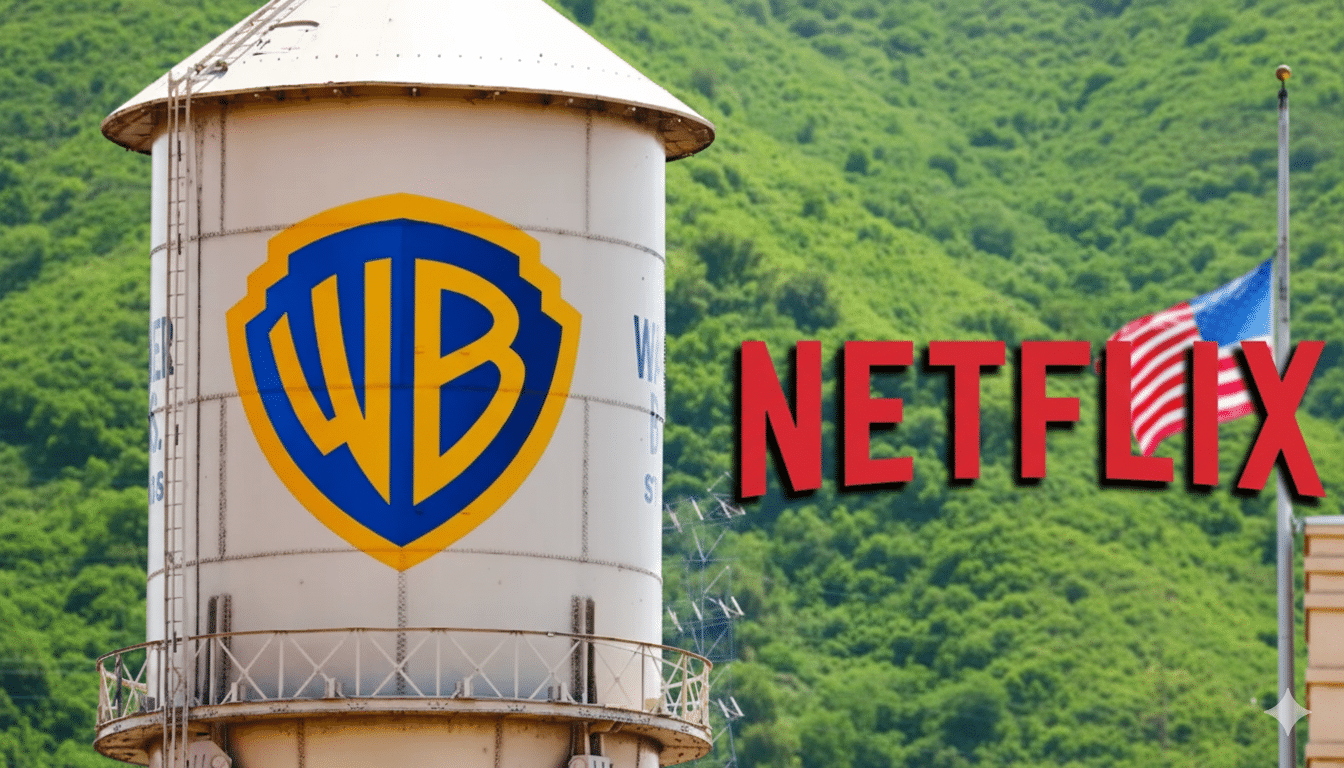
Netflix’s agreement to acquire Warner Bros. Discovery’s studio and streaming assets marks one of the most consequential moments in the modern entertainment industry. The proposed $72 billion transaction would combine Netflix’s global scale with one of Hollywood’s most storied content libraries, altering competitive dynamics at a time when streaming growth is slowing and consolidation is accelerating. For subscribers, the deal raises fundamental questions about content, pricing, and how entertainment will be distributed in the years ahead.
A Library Expansion With Strategic Weight
At the core of the deal is content. Warner Bros. brings with it a century-old catalogue that includes franchises such as Game of Thrones, Harry Potter, the DC universe, and classic films that continue to generate global demand. For Netflix, the acquisition would instantly deepen its intellectual property moat, reinforcing its position as the dominant subscription platform.
Executives argue that scale matters more than ever. As production costs rise and audiences fragment, owning evergreen franchises provides long-term leverage. Strategically, the move reflects Netflix’s transition from a pure distributor into a vertically integrated content powerhouse capable of sustaining engagement even as subscriber growth matures in developed markets.
Theatrical Releases and Creative Tensions
A central concern among filmmakers and moviegoers is whether Warner Bros. films would continue to receive full theatrical releases. Netflix has stated it intends to preserve Warner Bros.’ existing release strategy, at least initially. Co-CEO Ted Sarandos has emphasized that theatrical windows will remain, though likely evolve over time toward faster transitions to streaming.
This balancing act is critical. Warner Bros.’ theatrical identity remains a core cultural asset, while Netflix’s subscriber-first model prioritizes rapid access. How these approaches converge will shape relationships with directors, studios, and exhibitors, particularly as premium cinema remains a meaningful revenue and branding channel.
Will Subscribers Pay More?
Pricing is the question most subscribers care about, and the answer remains uncertain. Industry analysts widely agree that consolidation increases pricing power, especially when it reduces competition for premium content. Adding HBO Max’s assets under the Netflix umbrella could strengthen Netflix’s ability to justify future price increases.
At the same time, management has sought to reassure users that, for now, services will continue operating separately and no immediate changes are planned. From a behavioral standpoint, Netflix must tread carefully: raising prices too aggressively risks churn, particularly in price-sensitive international markets where growth remains strongest.
Paramount’s Challenge and Market Uncertainty
The deal’s certainty was shaken when Paramount Skydance launched a hostile bid for Warner Bros., backed by Larry Ellison. Warner Bros.’ board has recommended sticking with Netflix, citing superior financing and lower execution risk, but the bidding battle underscores how coveted premium content has become.
For subscribers, this rivalry introduces uncertainty. Prolonged negotiations could delay integration, content decisions, and strategic clarity, leaving both HBO Max and Netflix in a holding pattern for months.
Regulation as the Ultimate Gatekeeper
Even if Netflix prevails, the transaction faces intense regulatory scrutiny. Lawmakers including Elizabeth Warren have warned that further consolidation could undermine competition. Antitrust authorities are likely to focus less on content creation and more on distribution, given the combined share of U.S. streaming activity the merged entity could command.
Looking Ahead
For subscribers, the Warner Bros. deal represents both promise and risk. Expanded content libraries and stronger franchises could enhance long-term value, but pricing pressure and reduced competition remain real concerns. The next 12 to 18 months will be defined by regulatory review, competitive maneuvering, and Netflix’s ability to convince audiences that bigger truly means better. As streaming enters its consolidation phase, subscribers are no longer just viewers — they are stakeholders in how the entertainment ecosystem evolves.
Comparison, examination, and analysis between investment houses
Leave your details, and an expert from our team will get back to you as soon as possible
* This article, in whole or in part, does not contain any promise of investment returns, nor does it constitute professional advice to make investments in any particular field.
To read more about the full disclaimer, click here
- orshu
- •
- 7 Min Read
- •
- ago 2 hours
SKN | Israel Market Close – March 12, 2026: Tel Aviv Stocks Slide Sharply as Broad Selloff Hits Mid-Caps and Value Shares
Israeli markets closed significantly lower on March 12, 2026, as widespread selling pressure pushed most major indices into negative territory.
- ago 2 hours
- •
- 7 Min Read

Israeli markets closed significantly lower on March 12, 2026, as widespread selling pressure pushed most major indices into negative territory.
- orshu
- •
- 7 Min Read
- •
- ago 10 hours
SKN | Tel Aviv Stock Market Slips as Broad Declines Weigh on Israeli Equities
The Tel Aviv Stock Exchange opened the session with broad-based declines across most major indices, signaling cautious sentiment among investors
- ago 10 hours
- •
- 7 Min Read

The Tel Aviv Stock Exchange opened the session with broad-based declines across most major indices, signaling cautious sentiment among investors
- orshu
- •
- 8 Min Read
- •
- ago 15 hours
SKN | Global Markets Wrap: March 12, 2026 Performance Highlights and What to Watch on March 13 – Tel Aviv Stocks Slide Amid Global Volatility
Global financial markets experienced a broadly negative session on March 12, 2026, with equities under pressure across the Americas, Europe,
- ago 15 hours
- •
- 8 Min Read

Global financial markets experienced a broadly negative session on March 12, 2026, with equities under pressure across the Americas, Europe,

- Lior mor
- •
- 8 Min Read
- •
- ago 17 hours
SKN | Asian Markets Slide in Friday Morning Trade as Regional Indices Face Broad Selling Pressure
Asian equity markets are trading mostly lower on Friday morning, March 13, as investors across the region adopt a cautious
- ago 17 hours
- •
- 8 Min Read

Asian equity markets are trading mostly lower on Friday morning, March 13, as investors across the region adopt a cautious

