


- orshu
- •
- 12 Min Read
- •
- 2 months ago
Key Points
- Markets closed 2025 with relatively positive sentiment, but the start of 2026 is characterized by selectivity and increasing performance gaps between regions.
- Israel and South Korea stood out for their outperformance, while the US and Japan exhibited moderate weakness.
- The dollar and crypto strengthened in parallel, a phenomenon that indicates a search for a balance between risk assets and stability assets.
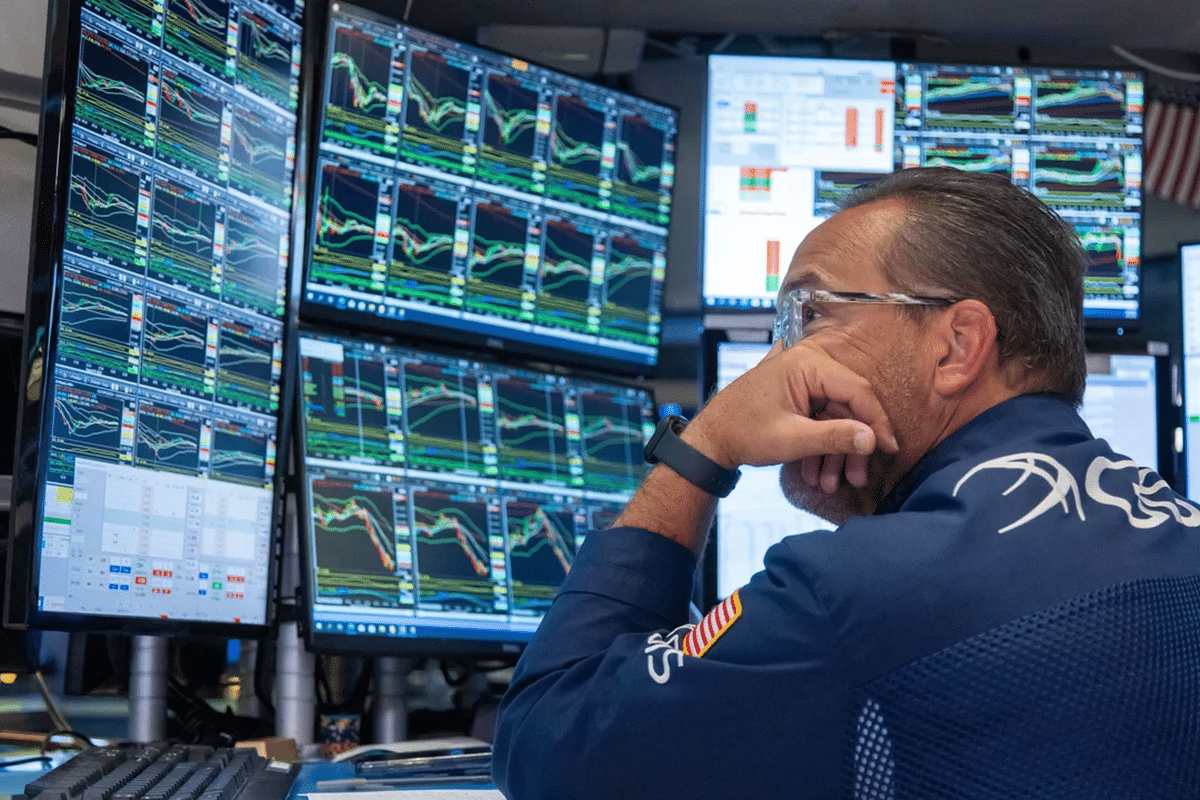
USA: Moderate declines, less fear and more indecision
The last trading week of 2025 and the first few days of 2026 were characterized by relatively thin trading in the US, as expected around the end-of-year holidays. The major stock indexes recorded slight declines, but without significant signs of pressure.
The declines were not accompanied by a sharp increase in volatility, on the contrary:
the VIX index fell by about 1.16%, which suggests that the market is not pricing in systemic risk but mainly tactical adjustments after a long rally during the year.
The US dollar index (DXY) rose by about 0.16%, an important figure in a broader context. A moderate strengthening of the dollar alongside slight declines in stocks indicates caution rather than a flight from risk. Investors did not exit the market, but mainly refocused positions ahead of the upcoming earnings season and early-year macro data.
The message from the US is clear:
there is no panic, but there is also no desire to continue chasing prices.
Israel: Clear Outperformance and Strong Entry into 2026
The Tel Aviv Stock Exchange was one of the strong stories of the week.
The TA-35 index rose by about 3.33%, and the TA-125 index added about 3.57% – a sharp gap compared to most developed markets.
The increases come against the backdrop of a combination of several factors:
an improvement in local sentiment, a return of institutional investors to stock positions, and a feeling that the market is pricing negative scenarios more cautiously than before.
It is important to note that the move was not narrow or isolated. The increases were recorded in a reasonable market breadth, with participation from key sectors such as financials, infrastructure and energy. Trading volumes improved, which strengthens the credibility of the move and does not indicate a mere “technical jump.”
Israel enters 2026 from a position of relative strength, at least in the short term.
Europe: Moderate but consistent increases
Europe continued to demonstrate relative stability, with broad-based increases in almost all major indices:
the British FTSE 100 rose by about 0.82%,
the German DAX added about 0.73%, and
the French CAC 40 rose by about 0.83%.
The IEUR index, which represents broad exposure to Europe, also rose by about 0.89%, a figure that illustrates that the move is not specific to just one country.
Sentiment in Europe is being affected by two opposing forces: on the one hand, a continuing economic slowdown in some countries; on the other, relatively conservative pricing and investors’ preference for defensive sectors and exporters that benefit from a less volatile global environment.
Europe is not taking off, but it is not breaking down either – and that is exactly what the market is pricing.
Asia: Sharp disparities between countries
Asia saw a more mixed picture.
In China, the SSE Composite Index rose by only 0.11% – a symbolic increase that mainly indicates stability rather than a sharp change in direction.
In contrast, South Korea stood out:
the KOSPI index jumped 3.93%, one of the strongest performers in global markets this week. The rise reflects a return to demand for technology and industrial stocks, along with cautious optimism about exports and supply chains.
In Hong Kong, the Hang Seng Index rose by about 1.58%, continuing a positive correction after a prolonged period of weakness.
Japan was the exception:
the Nikkei 225 index fell by 0.44%, in line with the weakening of the Japanese yen. The yen index (JXY) fell by 0.33%, weighing on the local stock market and raising questions about monetary policy and continued market support.
Crypto: A Controlled Return to Risk
The crypto market opened 2026 on a positive note.
Bitcoin rose by about 2.4% during the week and is trading around $90,000.
The move does not appear to be particularly speculative, but more like a continuation of the gradual entry of investors seeking exposure to alternative assets, mainly against the backdrop of an interest rate environment that is expected to be less restrictive later this year.
The fact that Bitcoin and the dollar strengthened at the same time indicates a market that is trying to hedge risks from different directions, rather than a sharp shift to “risk-on.”
Looking ahead: What the market is trying to say
The overall picture is clear: The markets are not opening 2026 with euphoria, but with calculated caution.
There are no signs of systemic pressure, but there is selectivity, performance gaps between regions, and waiting for clear triggers: inflation data, interest rates, and the first financial reports of the year.
Those who are looking for a clear direction will not get it yet. Those who understand the context see a stable, but much more selective, market.
Comparison, examination, and analysis between investment houses
Leave your details, and an expert from our team will get back to you as soon as possible
* This article, in whole or in part, does not contain any promise of investment returns, nor does it constitute professional advice to make investments in any particular field.
To read more about the full disclaimer, click here
- orshu
- •
- 6 Min Read
- •
- ago 2 hours
SKN | Global Markets Slide on March 12, 2026 as Volatility Surges and Risk-Off Sentiment Intensifies
U.S. equity markets closed sharply lower on Thursday, March 12, 2026, as a surge in volatility and a stronger U.S.
- ago 2 hours
- •
- 6 Min Read

U.S. equity markets closed sharply lower on Thursday, March 12, 2026, as a surge in volatility and a stronger U.S.

- Lior mor
- •
- 6 Min Read
- •
- ago 3 hours
SKN | Why Did the Nasdaq Lead Wall Street Lower as Oil Prices Surge on Iran Conflict?
U.S. stocks moved lower as escalating tensions in the Middle East pushed oil prices sharply higher, triggering renewed inflation concerns
- ago 3 hours
- •
- 6 Min Read
U.S. stocks moved lower as escalating tensions in the Middle East pushed oil prices sharply higher, triggering renewed inflation concerns
- orshu
- •
- 7 Min Read
- •
- ago 6 hours
SKN | European Markets Close Lower as Regional Indices Retreat Amid Currency Weakness and Global Risk Caution
European equity markets closed lower on March 12 as investors adopted a more cautious stance following increased global volatility
- ago 6 hours
- •
- 7 Min Read
European equity markets closed lower on March 12 as investors adopted a more cautious stance following increased global volatility
- orshu
- •
- 7 Min Read
- •
- ago 7 hours
SKN | Israel Market Close – March 12, 2026: Tel Aviv Stocks Slide Sharply as Broad Selloff Hits Mid-Caps and Value Shares
Israeli markets closed significantly lower on March 12, 2026, as widespread selling pressure pushed most major indices into negative territory.
- ago 7 hours
- •
- 7 Min Read
Israeli markets closed significantly lower on March 12, 2026, as widespread selling pressure pushed most major indices into negative territory.

