


- Lior mor
- •
- 8 Min Read
- •
- 2 hours ago
Key Points
- Volkswagen is building its next generation of China-focused electric vehicles using local semiconductor partners instead of Nvidia.
- The new EV SUV uses a driver-assist chip from Xpeng and is part of a broader push to regain market share in China.
- Volkswagen aims to launch 20 new battery or hybrid models in China in 2026 as competition intensifies against local EV leaders like BYD.
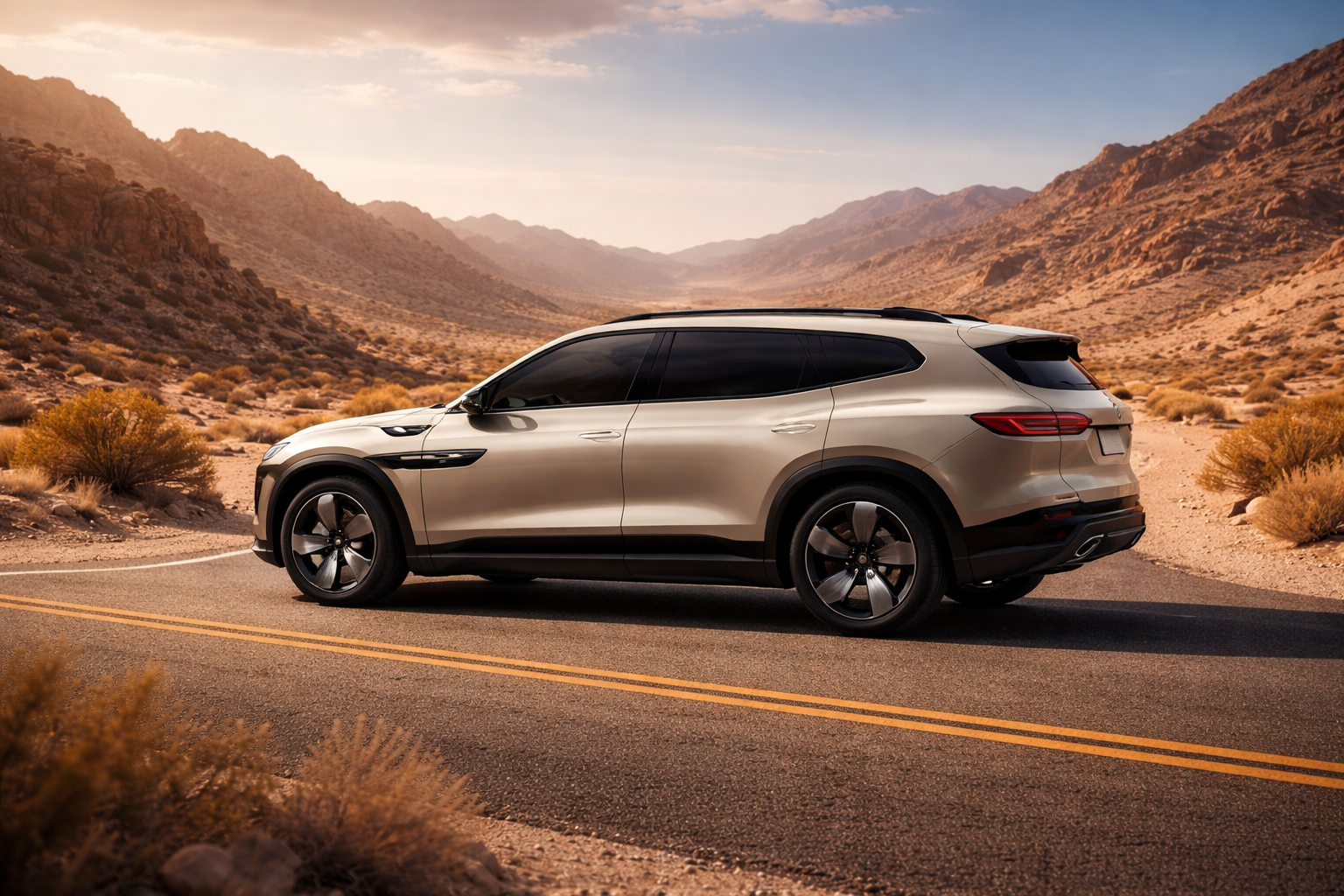
German automaker Volkswagen is accelerating its electric vehicle strategy in China by leaning on domestic semiconductor and technology partners rather than relying on global chip suppliers like Nvidia.
The shift highlights how global carmakers are adapting to China’s rapidly evolving EV ecosystem, where advanced software, driver-assistance technology, and locally developed chips increasingly shape consumer demand.
According to the company’s China technology leadership, the move reflects a broader effort to localize development and regain lost ground in the world’s largest electric vehicle market.
New EV Launch Uses Chinese Driver-Assist Chip
Volkswagen has begun production of the ID. UNYX 08, a new all-electric SUV built in Hefei, China, that incorporates driver-assist technology powered by a “Turing” automotive chip developed by Xpeng.
The vehicle features Level 2 advanced driver-assistance capabilities, enabling the car to assist drivers with highway and urban navigation tasks while still requiring human supervision.
The partnership with Xpeng is part of Volkswagen’s strategy to integrate more advanced software and semiconductor technology directly into its vehicles as Chinese consumers increasingly prioritize intelligent features over traditional automotive branding.
Volkswagen’s Chief Technology Officer for China, Thomas Ulbrich, said the company saw no strategic need to continue using Nvidia chips in the Chinese market given the availability of competitive local alternatives.
China’s EV Ecosystem Driving Chip Independence
Beyond its collaboration with Xpeng, Volkswagen is also working with Horizon Robotics through a joint venture known as Carizon to develop future automotive chips tailored specifically for intelligent driving systems.
The partnership aims to design a next-generation vehicle chip expected to reach production within the next three to five years.
This approach reflects a broader trend in China’s EV sector where automakers increasingly develop their own semiconductor and AI capabilities to control costs, optimize performance, and avoid reliance on external suppliers.
Even as Nvidia continues to expand its automotive chip business globally, many Chinese EV companies are pursuing in-house solutions or regional partnerships to power driver-assistance and autonomous systems.
Competition in China Forces Faster Innovation
Volkswagen’s renewed focus on local technology partnerships follows several years of declining sales in China as domestic automakers rapidly expanded their electric vehicle offerings.
Chinese competitors such as BYD and Xpeng have moved faster in launching software-driven EV platforms that integrate smart features, advanced driver-assist capabilities, and connected services.
To respond, Volkswagen has restructured its China operations since 2023 and invested heavily in research and development facilities in Hefei, where the company now operates its largest R&D center outside Germany. The automaker has also significantly reduced vehicle development timelines, aiming to match the rapid product cycles typical among Chinese EV manufacturers.
Driver-Assist Technology Becoming Key Selling Point
According to Volkswagen executives, the shift toward intelligent vehicles reflects changing consumer priorities in China’s automotive market. A decade ago, brand reputation dominated purchasing decisions. Today, buyers increasingly focus on software capabilities, connectivity, and driver-assist systems.
The company expects future models sold in China to reach Level 3 autonomous driving capability within two years, which would allow drivers to remove their hands from the steering wheel in certain conditions once regulators approve broader deployment.
At Level 3 automation, liability for accidents can shift from drivers to manufacturers, making the reliability of the underlying semiconductor and software systems even more critical.
Volkswagen’s China Comeback Strategy
Volkswagen plans to launch 20 new battery-electric and hybrid models in China in 2026 alone as part of its largest product rollout in the market.
Looking further ahead, the automaker intends to introduce around 50 new energy vehicles in China by 2030, including approximately 30 fully electric models.
Many of these vehicles will incorporate technology developed locally in China and could eventually be exported to other markets.
What the Industry Will Watch Next
Volkswagen’s decision to prioritize Chinese chip partners underscores a broader shift in the global EV industry, where regional technology ecosystems increasingly shape vehicle design and supply chains.
As software and artificial intelligence become central to automotive innovation, companies that can rapidly integrate advanced chips, driver-assist systems, and digital services may gain a decisive edge in the world’s fastest-growing electric vehicle market.
For Volkswagen, success in China could determine whether the company can regain momentum against domestic EV leaders and remain competitive in the next era of intelligent mobility.
Comparison, examination, and analysis between investment houses
Leave your details, and an expert from our team will get back to you as soon as possible
* This article, in whole or in part, does not contain any promise of investment returns, nor does it constitute professional advice to make investments in any particular field.
To read more about the full disclaimer, click here
- Lior mor
- •
- 6 Min Read
- •
- ago 1 minute
SKN | Nvidia Unveils Groq 3 AI Chip and CPU Server Targeting Intel at GTC 2026
Nvidia announced its latest technological push at GTC 2026 with the launch of the Groq 3 AI chip and an
- ago 1 minute
- •
- 6 Min Read
Nvidia announced its latest technological push at GTC 2026 with the launch of the Groq 3 AI chip and an

- omer bar
- •
- 8 Min Read
- •
- ago 3 hours
SKN | Samsung Chip Supply at Risk as Union Threatens Strike Amid AI Demand Surge
The world’s largest memory chip producer, Samsung Electronics, is facing a potential labor disruption that could affect global semiconductor supply
- ago 3 hours
- •
- 8 Min Read
The world’s largest memory chip producer, Samsung Electronics, is facing a potential labor disruption that could affect global semiconductor supply

- Arik Arkadi Sluzki
- •
- 7 Min Read
- •
- ago 3 hours
SKN | AMD Stock Near Key Inflection Point: Should Investors Wait for a Pullback or Focus on Long-Term AI Growth?
Advanced Micro Devices has become one of the most closely followed semiconductor companies in global equity markets as investors
- ago 3 hours
- •
- 7 Min Read
Advanced Micro Devices has become one of the most closely followed semiconductor companies in global equity markets as investors

- Ronny Mor
- •
- 7 Min Read
- •
- ago 4 hours
SKN | Could Prediction Markets and Sports Betting Become Palantir’s Next Major Data Opportunity?
Palantir Technologies, known for its data intelligence platforms used by governments and enterprises, may be positioned to expand into
- ago 4 hours
- •
- 7 Min Read
Palantir Technologies, known for its data intelligence platforms used by governments and enterprises, may be positioned to expand into

