


- sagi habasov
- •
- 5 Min Read
- •
- 1 month ago
Key Points
- Volatility does not destroy wealth; poor structure does.
- Most losses occur when investors are forced to act.
- Capital protection is about decision control, not market control.
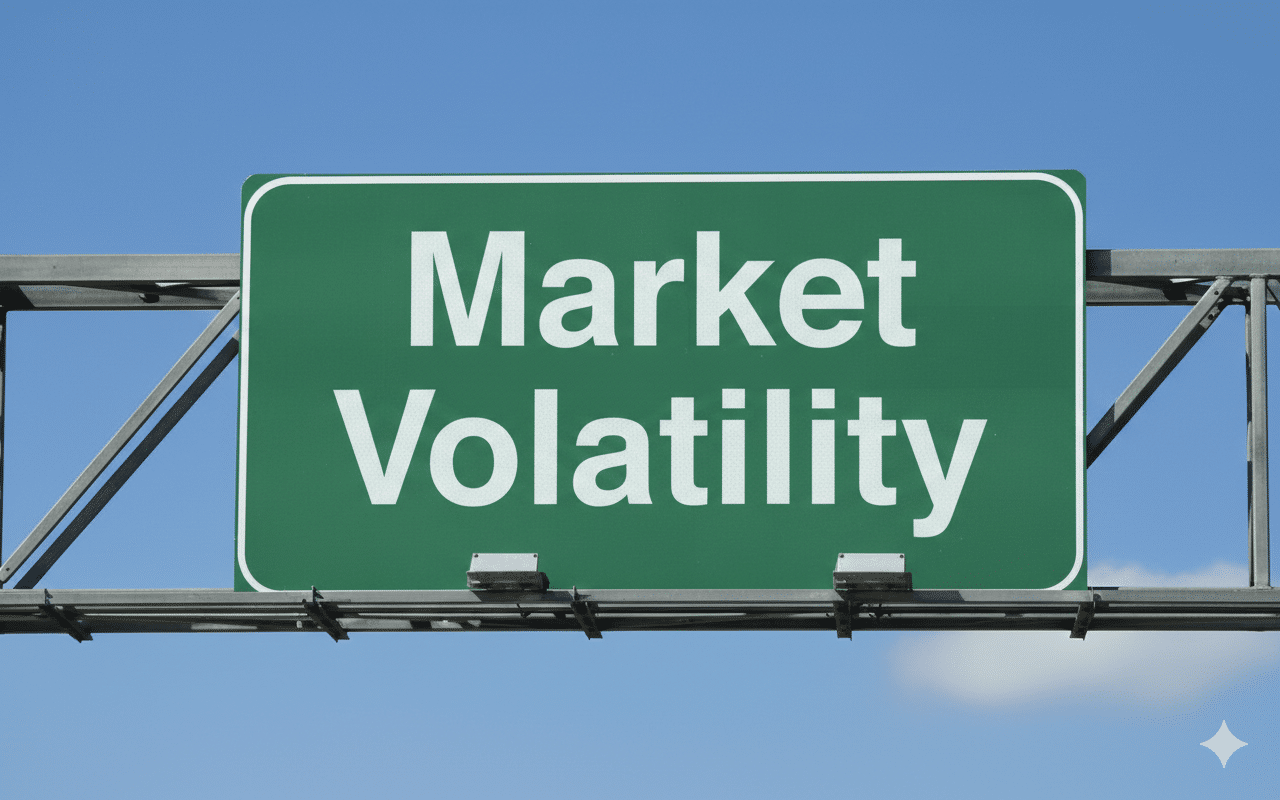
The Real Risk Investors Refuse to Name
Volatility is often treated as the primary risk in financial markets. Sharp moves, sudden drawdowns, violent corrections — these are the moments that dominate headlines and trigger fear. But volatility itself is not what destroys portfolios.
The real danger is forced exit.
Portfolios fail not because markets move against them, but because investors are pushed into decisions at precisely the wrong time. Leverage, concentration, overexposure, or lack of downside planning turns temporary drawdowns into permanent damage.
Markets recover. Positions don’t always get the chance.
Why Forced Decisions Are So Costly
A forced exit removes choice. Whether it’s panic selling, margin calls, or emotional capitulation, the result is the same: exposure is reduced when expected returns are highest.
History consistently shows that the strongest rebounds follow periods of maximum stress. Investors who are still invested participate. Those who exited “to be safe” watch from the sidelines, waiting for clarity that never arrives on time.
Once capital is sidelined, psychology shifts. Re-entry feels risky. Prices already moved. Confidence erodes. The longer one waits, the harder it becomes to act.
This is how short-term fear turns into long-term underperformance.
Structure Determines Survival
Professional capital does not rely on confidence. It relies on structure.
When downside is managed structurally, investors do not need to react to every market move. They are not forced to guess bottoms or tops. They remain exposed by design, not by hope.
This approach acknowledges an uncomfortable truth: markets will always surprise. The goal is not to avoid surprises, but to ensure that surprises do not trigger irreversible decisions.
Protection is not about avoiding losses entirely. It is about preventing losses from becoming fatal.
Volatility as a Feature, Not a Bug
Volatility is the mechanism through which markets transfer returns from reactive participants to disciplined ones. Without volatility, there is no opportunity.
The investor who can remain exposed during volatility gains access to future upside without paying the psychological cost others pay.
Capital protection allows investors to tolerate discomfort. Tolerance is what keeps exposure intact. Exposure is what generates returns.
The Long Game
Over full market cycles, the difference between success and failure is rarely intelligence or information. It is resilience.
Resilient portfolios stay invested. Fragile portfolios break.
Bottom Line
Volatility is temporary.
Forced exit is permanent.
Comparison, examination, and analysis between investment houses
Leave your details, and an expert from our team will get back to you as soon as possible
* This article, in whole or in part, does not contain any promise of investment returns, nor does it constitute professional advice to make investments in any particular field.
To read more about the full disclaimer, click here
- omer bar
- •
- 6 Min Read
- •
- ago 9 hours
SKN | Why Are Asia-Pacific Markets Falling as Oil Prices Surge Amid the Middle East Conflict?
Asia-Pacific equity markets opened lower as investors reacted to a sharp rise in global oil prices and growing concerns that
- ago 9 hours
- •
- 6 Min Read

Asia-Pacific equity markets opened lower as investors reacted to a sharp rise in global oil prices and growing concerns that

- Lior mor
- •
- 7 Min Read
- •
- ago 3 days
SKN | Garden Stage Skyrockets 248% in One Day as Microcap Stock Sees Extreme Volatility
Garden Stage Limited (GSIW) stunned the market with an explosive rally, closing at $33.21 after soaring 248.11% in a single
- ago 3 days
- •
- 7 Min Read

Garden Stage Limited (GSIW) stunned the market with an explosive rally, closing at $33.21 after soaring 248.11% in a single
- Lior mor
- •
- 7 Min Read
- •
- ago 4 days
SKN | Uranium Stocks Stabilize as Global X Uranium ETF Rebounds Toward $50
The Global X Uranium ETF (URA), a widely tracked benchmark for uranium mining and nuclear fuel companies, climbed to $49.91
- ago 4 days
- •
- 7 Min Read
The Global X Uranium ETF (URA), a widely tracked benchmark for uranium mining and nuclear fuel companies, climbed to $49.91
- Lior mor
- •
- 5 Min Read
- •
- ago 1 week
SKN | Global Equity Funds See First Outflow in Eight Weeks Amid Middle East Conflict
Global investors pulled money from stock funds for the first time in nearly two months as escalating tensions in the
- ago 1 week
- •
- 5 Min Read

Global investors pulled money from stock funds for the first time in nearly two months as escalating tensions in the

