


- orshu
- •
- 7 Min Read
- •
- 37 minutes ago
Key Points
- The CBOE Volatility Index (VIX) surged to around 27.54, marking a gain of nearly 15.99% during the March 6 trading session.
- The spike reflects rising investor demand for hedging as uncertainty grows across U.S. equity markets.
- Elevated volatility levels suggest markets are shifting toward a more risk-sensitive environment following recent equity declines.
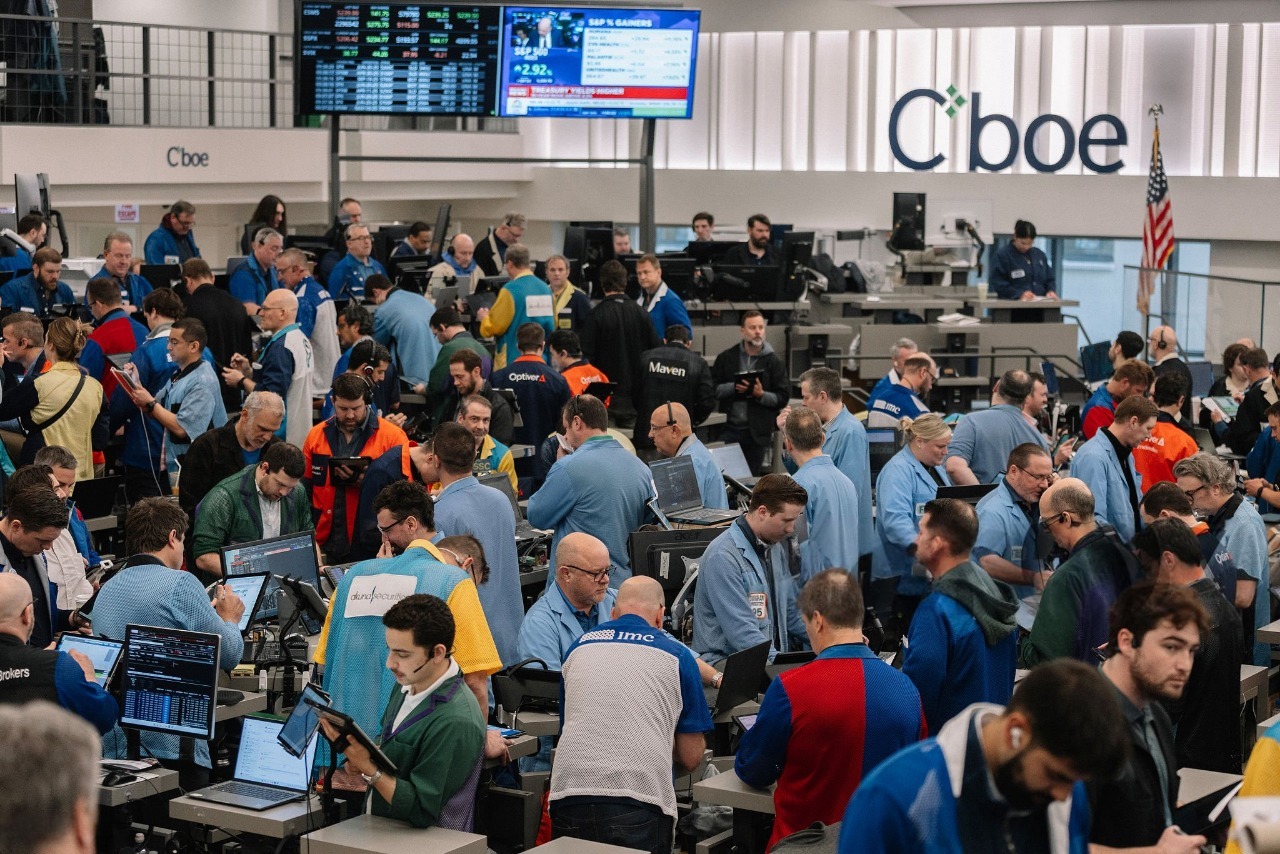
The CBOE Volatility Index (VIX), often referred to as Wall Street’s “fear gauge,” climbed sharply on March 6, reaching approximately 27.54 during the morning trading session. The move represents a rise of nearly 16% compared with the previous close of 23.75. The surge highlights growing investor caution as financial markets experience renewed volatility following recent declines in major U.S. equity indices.
Volatility Index Signals Rising Market Uncertainty
The VIX index measures market expectations for volatility over the next 30 days based on options pricing tied to the S&P 500. When the index rises sharply, it typically indicates that investors are purchasing more protective options, suggesting increased concern about potential downside risks in the equity market.
During the March 6 session, the VIX traded within a daily range of approximately 22.92 to 28.57, indicating heightened intraday volatility. A reading above 25 generally reflects a period of elevated market stress, particularly when accompanied by broad declines in equity benchmarks.
Historically, volatility tends to spike during periods of macroeconomic uncertainty, geopolitical tensions, or significant shifts in monetary policy expectations. In such environments, investors often turn to hedging strategies to protect portfolios against rapid price swings.
Equity Market Weakness Driving the Volatility Surge
The rise in the VIX comes as major U.S. stock indices face selling pressure during the March 6 trading session. Declines in the S&P 500, Nasdaq Composite, and Dow Jones Industrial Average have contributed to the increased demand for options-based protection.
Technology stocks, which have been among the strongest performers in recent months, are particularly sensitive to shifts in investor sentiment. When markets experience sudden pullbacks, institutional investors often increase hedging activity through derivatives markets, driving the VIX higher.
Additionally, volatility can be amplified when large institutional funds adjust portfolio exposure or rebalance risk allocations. These adjustments may include reducing exposure to high-growth sectors, increasing cash positions, or shifting toward defensive assets such as utilities or consumer staples.
The rise in volatility also reflects growing attention to macroeconomic signals, including inflation trends, interest rate expectations, and global economic growth forecasts.
Historical Context and Market Implications
Although the current VIX level near 27 represents elevated volatility, it remains well below the extreme spikes seen during major market disruptions. For example, during periods of severe financial stress, such as the global financial crisis or the early stages of the COVID-19 pandemic, the index surged above 60.
However, volatility readings in the high twenties often signal a transition phase in markets, where investors reassess risk exposure after strong rallies or amid shifting economic expectations. These periods frequently coincide with increased trading activity and wider price swings across asset classes.
Higher volatility can also create opportunities for traders who specialize in derivatives strategies, volatility products, and short-term market movements. At the same time, it can pose challenges for long-term investors who prefer stable market conditions.
Looking ahead, investors will closely monitor whether the VIX remains elevated or begins to stabilize in the coming trading sessions. Continued weakness in major equity indices could push volatility higher, particularly if economic data or geopolitical developments intensify market uncertainty. Conversely, signs of stability in corporate earnings, interest rate expectations, or macroeconomic indicators could help ease volatility levels. As markets navigate the current environment, the trajectory of the VIX will remain an important signal for investor sentiment and risk appetite across global financial markets.
Comparison, examination, and analysis between investment houses
Leave your details, and an expert from our team will get back to you as soon as possible
* This article, in whole or in part, does not contain any promise of investment returns, nor does it constitute professional advice to make investments in any particular field.
To read more about the full disclaimer, click here
- orshu
- •
- 7 Min Read
- •
- ago 2 minutes
SKN | Israel Market Close – March 6, 2026: Tel Aviv Stocks Pause After Rally as Investors Digest Recent Gains
Israeli markets closed on March 6, 2026 with limited movement as investors paused after the strong rally earlier in the
- ago 2 minutes
- •
- 7 Min Read

Israeli markets closed on March 6, 2026 with limited movement as investors paused after the strong rally earlier in the
- orshu
- •
- 7 Min Read
- •
- ago 2 minutes
SKN | SLV Rises Over 3% on March 6 as Investors Turn to Silver Amid Market Volatility
The iShares Silver Trust (NYSEARCA: SLV) traded higher on March 6, rising approximately 3.04% to around $76.53 during the
- ago 2 minutes
- •
- 7 Min Read

The iShares Silver Trust (NYSEARCA: SLV) traded higher on March 6, rising approximately 3.04% to around $76.53 during the

- omer bar
- •
- 7 Min Read
- •
- ago 39 minutes
SKN | Could the Iran Conflict Disrupt Global Auto Sales? Toyota, Hyundai and Chinese Carmakers Face Rising Risks
The escalating conflict involving Iran has introduced new uncertainty for the global automotive industry, with analysts warning that several major
- ago 39 minutes
- •
- 7 Min Read

The escalating conflict involving Iran has introduced new uncertainty for the global automotive industry, with analysts warning that several major
- orshu
- •
- 7 Min Read
- •
- ago 1 hour
SKN | U.S. Stocks Slide as Volatility Surges: Nasdaq, S&P 500 and Russell 2000 Retreat While VIX Jumps 17%
U.S. equity markets moved lower during the March 6 trading session as investors adopted a more defensive stance amid
- ago 1 hour
- •
- 7 Min Read

U.S. equity markets moved lower during the March 6 trading session as investors adopted a more defensive stance amid

