


- orshu
- •
- 6 Min Read
- •
- 35 minutes ago
Key Points
- The CBOE Volatility Index (VIX) rose 10.94% to 20.67, moving decisively above the 20 threshold.
- Intraday highs near 21.74 signal elevated hedging activity and shifting risk sentiment.
- The volatility spike suggests investors are reassessing equity exposure amid broader market weakness.
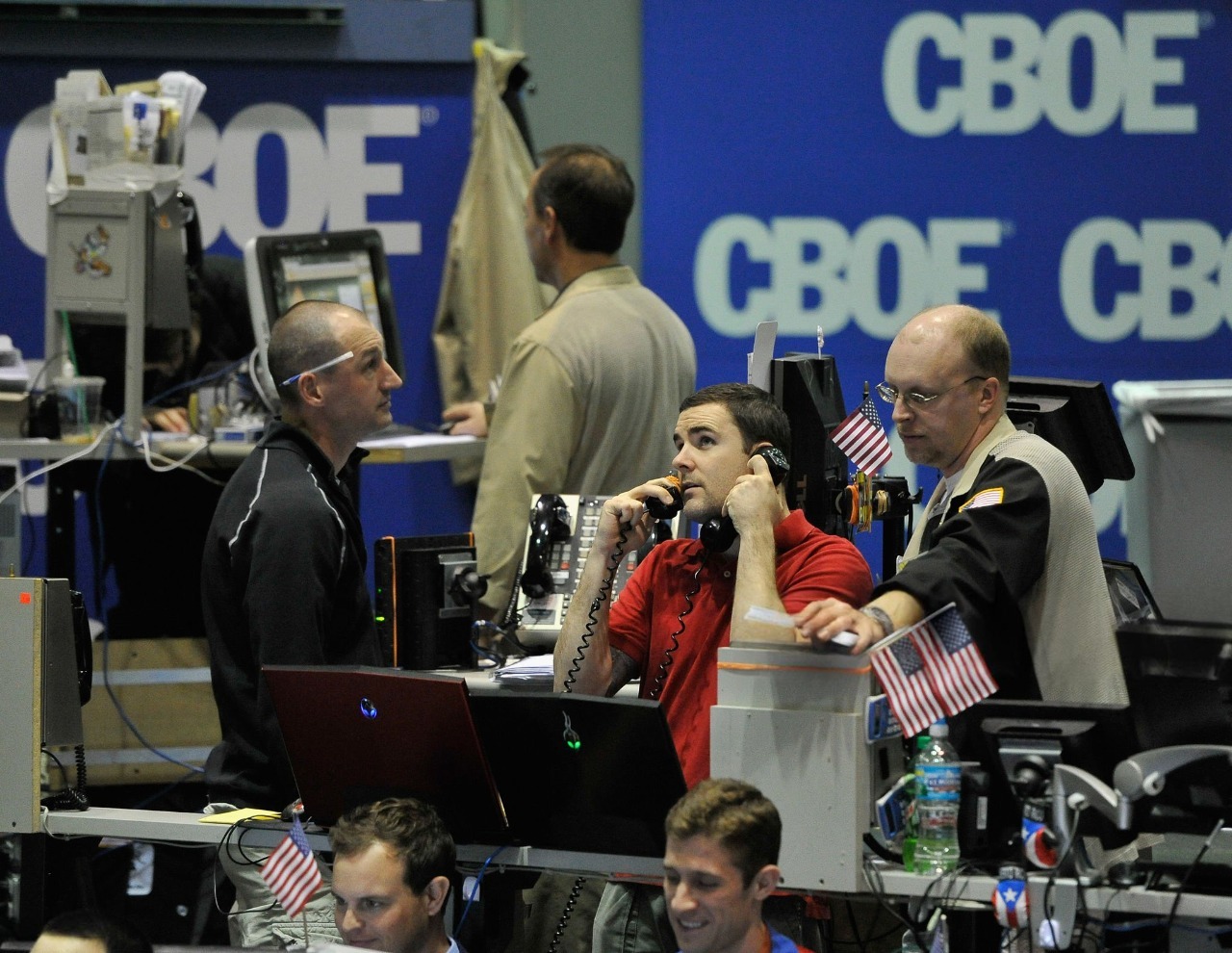
The CBOE Volatility Index (VIX), often referred to as Wall Street’s “fear gauge,” climbed sharply on February 27, rising 10.94% to 20.67 during U.S. market hours. The move marks a clear shift in sentiment as traders increase hedging activity following recent equity market fluctuations.
After closing the previous session at 18.63, the VIX opened at 19.28 and steadily advanced, reaching an intraday high of 21.74. The breakout above the psychologically significant 20 level is drawing attention across asset classes.
Break Above 20 Signals Heightened Caution
Historically, a VIX reading above 20 reflects rising investor uncertainty. While not necessarily indicative of crisis-level stress, it typically coincides with increased demand for downside protection through options markets. Today’s range between 18.77 and 21.74 underscores the volatility shift, particularly compared with the subdued levels seen earlier this month.
The VIX remains well below its 52-week high of 60.13, recorded during periods of intense market turbulence, but it is notably higher than its 52-week low of 13.38. This suggests markets are transitioning from complacency toward a more defensive stance.
Institutional investors often adjust portfolio risk dynamically based on volatility levels. As the VIX rises, systematic strategies may reduce equity exposure, potentially reinforcing short-term market swings.
Equity Market Context and Cross-Asset Signals
The increase in volatility coincides with weakness in major U.S. equity indices, particularly technology-heavy benchmarks. Higher volatility tends to correlate with declining stock prices, as investors seek protection against further downside.
At the same time, the U.S. dollar remains relatively stable, indicating that currency markets are not experiencing comparable stress. Treasury yield movements will be critical in determining whether volatility persists. Rising yields could exacerbate equity market adjustments, particularly in growth-oriented sectors.
Commodities and energy markets also play a role in volatility dynamics. Sharp oil price movements often amplify cross-asset uncertainty. However, today’s volatility surge appears primarily equity-driven rather than commodity-led.
Technical Implications and Market Structure
From a technical perspective, sustained movement above 20 could signal the beginning of a higher volatility regime. Volatility clustering is a common phenomenon, meaning that once volatility rises, it often remains elevated for a period before stabilizing.
Options market positioning will be closely monitored. Elevated implied volatility increases options premiums, impacting hedging costs and derivative strategies. For portfolio managers, higher volatility may necessitate rebalancing or tactical asset allocation adjustments.
Despite today’s increase, volatility levels remain moderate compared to historical crisis periods. Markets are signaling caution rather than systemic breakdown.
Looking ahead, investors will focus on upcoming macroeconomic releases, Federal Reserve commentary, and corporate earnings guidance to gauge whether volatility will subside or accelerate. If equity markets stabilize and macro data provide clarity, the VIX could retreat toward the mid-teens. Conversely, further downside in major indices or unexpected economic surprises may sustain volatility above 20. The coming sessions will determine whether this marks a temporary spike or the early stages of a broader market recalibration.
Comparison, examination, and analysis between investment houses
Leave your details, and an expert from our team will get back to you as soon as possible
* This article, in whole or in part, does not contain any promise of investment returns, nor does it constitute professional advice to make investments in any particular field.
To read more about the full disclaimer, click here
- orshu
- •
- 5 Min Read
- •
- ago 3 hours
SKN | Europe Closes Mixed on February 27: FTSE Leads While STOXX 50 Slips
European markets closed mixed on February 27, as investors balanced domestic earnings momentum with broader macroeconomic signals. While the
- ago 3 hours
- •
- 5 Min Read

European markets closed mixed on February 27, as investors balanced domestic earnings momentum with broader macroeconomic signals. While the

- sagi habasov
- •
- 7 Min Read
- •
- ago 4 hours
SKN | Israel Market Close Today, February 27, 2026: Blue Chips Rebound While Mid-Caps Lag in Mixed End to Volatile Week
Israeli markets closed on February 27, 2026, with a mixed performance that capped a volatile trading week. While large-cap stocks
- ago 4 hours
- •
- 7 Min Read

Israeli markets closed on February 27, 2026, with a mixed performance that capped a volatile trading week. While large-cap stocks
- orshu
- •
- 5 Min Read
- •
- ago 5 hours
SKN | U.S. Stocks Open Lower as Volatility Jumps: Rotation or Broader Market Pause?
U.S. stocks opened lower on February 27, with major indices starting the session in negative territory as volatility moved
- ago 5 hours
- •
- 5 Min Read

U.S. stocks opened lower on February 27, with major indices starting the session in negative territory as volatility moved
- orshu
- •
- 5 Min Read
- •
- ago 7 hours
SKN | European Stocks Hit Fresh Highs: Can Earnings Momentum Offset Inflation Risks?
European equities climbed to new record levels on Friday, closing out a volatile week shaped by strong corporate earnings, artificial
- ago 7 hours
- •
- 5 Min Read

European equities climbed to new record levels on Friday, closing out a volatile week shaped by strong corporate earnings, artificial

