


- orshu
- •
- 6 Min Read
- •
- 31 minutes ago
Key Points
- The CBOE Volatility Index (VIX) rose more than 6%, moving decisively back above the 20 level.
- Intraday swings reflect rising demand for downside protection in equity markets.
- The move signals a shift from complacency toward a more cautious risk environment.
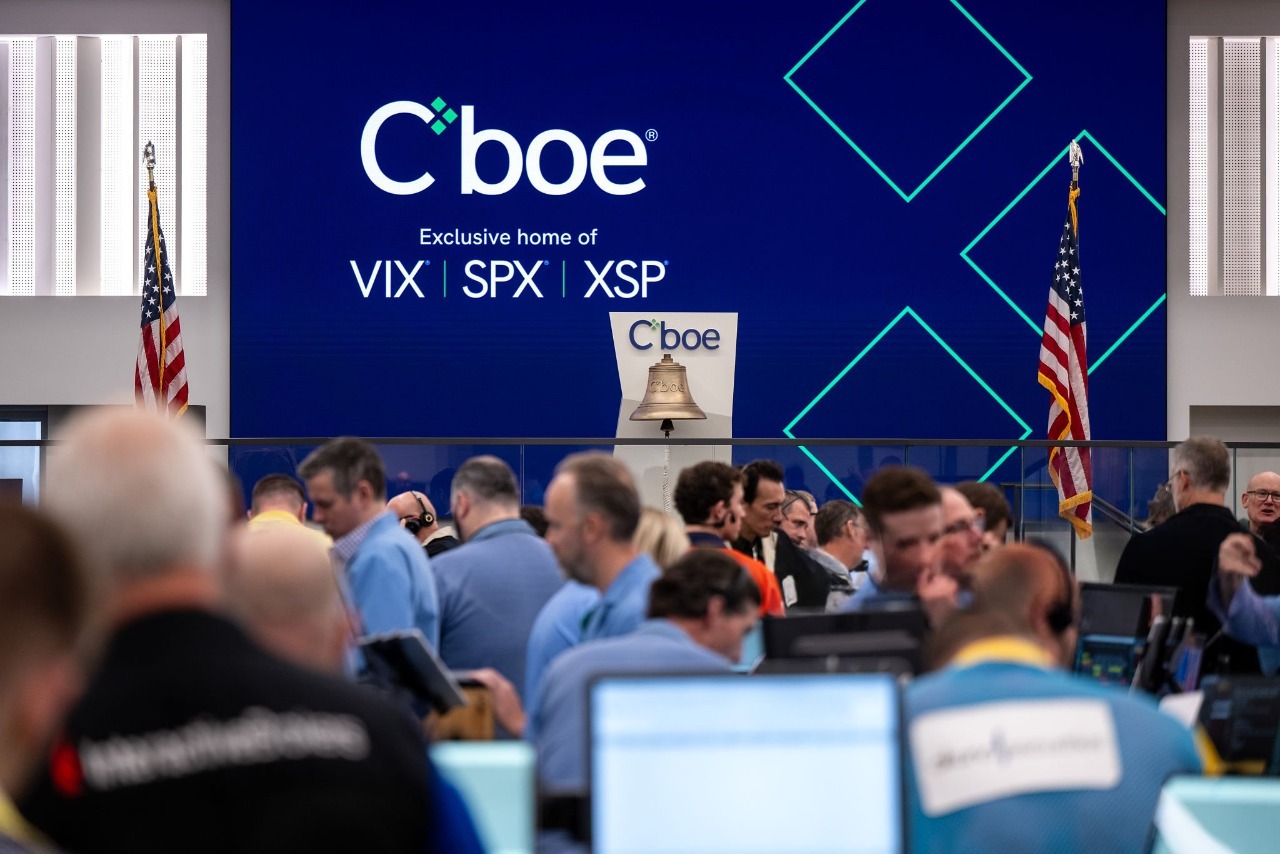
Market volatility picked up sharply on February 19, with the CBOE Volatility Index climbing to 20.83, up 6.16% on the session. The advance places the VIX firmly above the psychologically significant 20 threshold, often associated with elevated investor concern and increased hedging activity.
Break Above 20 Signals Sentiment Shift
The VIX opened at 19.34 and traded within a range of 19.23 to 21.11 during the session, reflecting a steady upward bias as the day progressed. The move marks a notable shift from prior sessions when volatility remained contained below 20, suggesting that market participants are increasingly pricing in near-term uncertainty.
Historically, readings above 20 do not necessarily indicate crisis conditions, but they do represent heightened sensitivity to macro and corporate developments. The rise aligns with recent equity weakness, particularly in growth-oriented indices, where valuation compression and sector rotation have intensified.
Demand for Hedging Rises as Equities Slip
The uptick in the VIX corresponds with softness in major US benchmarks, highlighting a growing appetite for portfolio hedging. When equity prices decline or intraday volatility increases, options activity tends to rise, pushing implied volatility higher.
The VIX’s 52-week range, from 13.38 to 60.13, underscores the broad spectrum of sentiment the market has experienced over the past year. While current levels remain well below peak stress readings, the upward momentum suggests traders are adjusting exposure ahead of potential macro catalysts, including economic data releases and shifts in interest rate expectations.
Macro Drivers and Cross-Asset Implications
Volatility often reacts not only to equity price moves but also to bond yield fluctuations and currency strength. A firming US dollar and shifting Treasury yields can amplify uncertainty, particularly for multinational companies and rate-sensitive sectors. As these cross-asset dynamics evolve, the VIX acts as a real-time barometer of market stress.
For global investors, including those in Israel with exposure to US equities, rising volatility has implications for portfolio construction and risk management. Elevated VIX readings can influence asset allocation decisions, as increased uncertainty often leads to tactical adjustments across equities, bonds, and alternative strategies.
Looking ahead, market participants will closely monitor whether the VIX sustains levels above 20 or retreats if equity markets stabilize. Key indicators include upcoming economic data, Federal Reserve communication, and corporate earnings guidance. A sustained rise in volatility could signal deeper risk aversion and potential equity downside, while a reversal would suggest that current concerns are temporary. The trajectory of volatility in coming sessions will offer important clues about broader market sentiment and the durability of recent risk-off positioning.
Comparison, examination, and analysis between investment houses
Leave your details, and an expert from our team will get back to you as soon as possible
* This article, in whole or in part, does not contain any promise of investment returns, nor does it constitute professional advice to make investments in any particular field.
To read more about the full disclaimer, click here
- orshu
- •
- 6 Min Read
- •
- ago 4 hours
SKN | European Stocks Slide Broadly as DAX and STOXX Lead February 19 Pullback
European equity markets ended February 19 on a softer note, with broad-based declines across major regional indices. The pullback
- ago 4 hours
- •
- 6 Min Read

European equity markets ended February 19 on a softer note, with broad-based declines across major regional indices. The pullback
- orshu
- •
- 5 Min Read
- •
- ago 6 hours
SKN | US Stocks Slide as Nasdaq Leads Declines While Dollar and Volatility Edge Higher
US equity markets opened lower on February 19 as investors adopted a more defensive stance, with technology shares weighing
- ago 6 hours
- •
- 5 Min Read

US equity markets opened lower on February 19 as investors adopted a more defensive stance, with technology shares weighing
- orshu
- •
- 6 Min Read
- •
- ago 10 hours
SKN | Asia Markets Rally on February 19, 2026 as South Korea Surges 3.09% While Lunar New Year Closures Limit Regional Liquidity
Asian markets closed February 19, 2026 with a broadly positive tone among open exchanges, led by a strong rally in
- ago 10 hours
- •
- 6 Min Read

Asian markets closed February 19, 2026 with a broadly positive tone among open exchanges, led by a strong rally in
- orshu
- •
- 5 Min Read
- •
- ago 12 hours
SKN | European Markets Mixed as Regional Benchmark Jumps Despite Pullback in Core Indices
European markets delivered a mixed performance on Thursday, February 19, 2026, as a sharp rise in the broader regional benchmark
- ago 12 hours
- •
- 5 Min Read

European markets delivered a mixed performance on Thursday, February 19, 2026, as a sharp rise in the broader regional benchmark

