




- sagi habasov
- •
- 7 Min Read
- •
- 11 seconds ago


Key Points
- The U.S. Treasury will maintain its regular debt auction schedule, including long-dated securities, despite doubling quarterly buybacks of 10- to 30-year bonds.
- The enlarged buyback program will begin on September 10, while Treasury has yet to purchase securities under the new framework.
- The strategy is designed to improve liquidity in longer-dated Treasury markets, but its funding and impact on federal cash reserves remain important considerations.
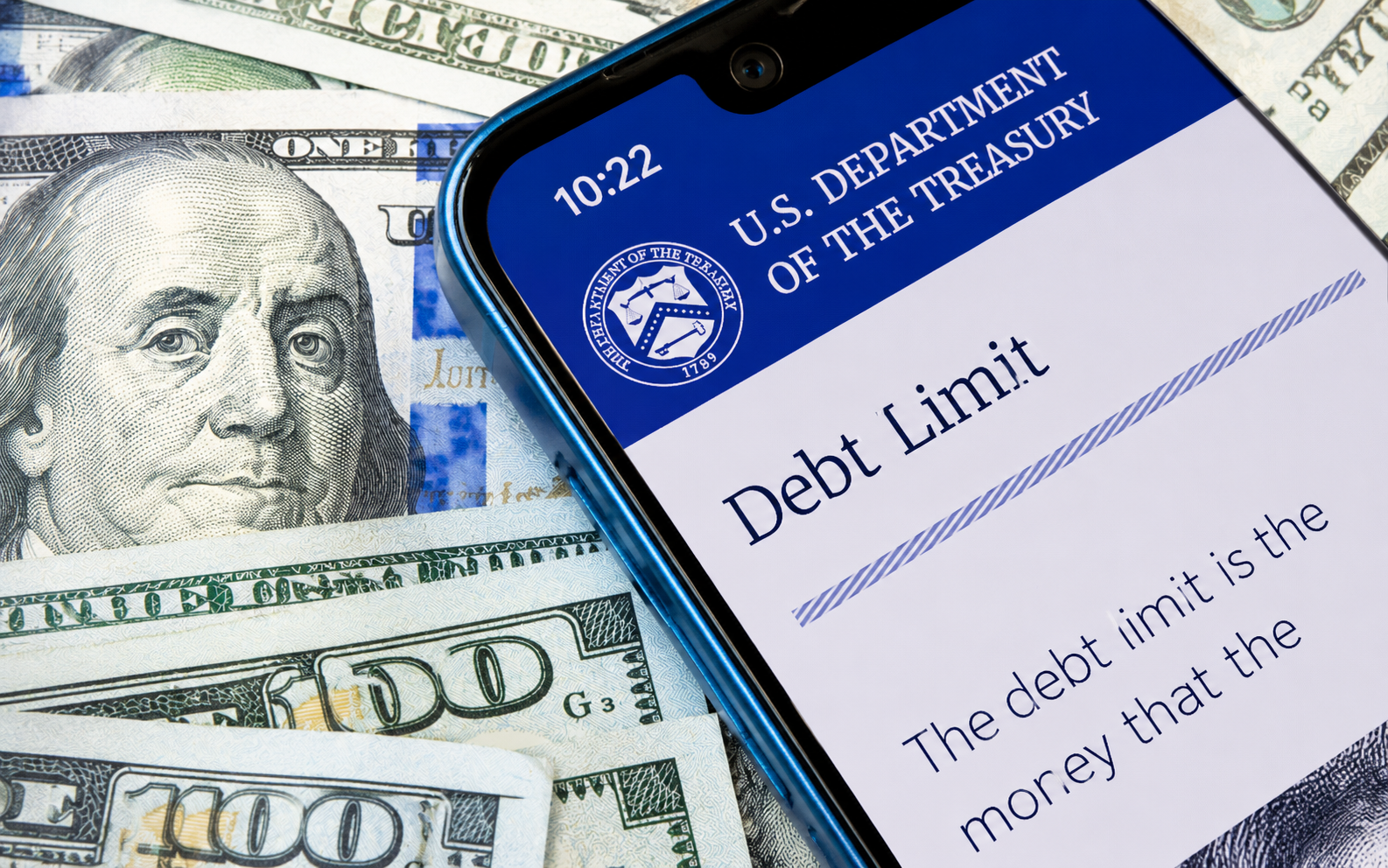
The U.S. Treasury plans to continue its regular debt auctions even as it expands purchases of longer-dated government bonds, creating a more complex approach to managing the world’s largest sovereign debt market. Treasury Secretary Scott Bessent said Monday that scheduled auctions announced earlier this month will proceed, including sales of long-maturity securities, while the enlarged buyback program is set to begin in September.
Treasury Balances Auctions With Larger Buybacks
Bessent said Treasury will maintain its regular auction program despite increasing the size of quarterly repurchases of Treasury securities with maturities between 10 and 30 years. The department has not yet purchased bonds under the expanded program, with the first operations scheduled for September 10 covering 10- and 20-year securities.
The decision follows Bessent’s announcement last week that Treasury would double its quarterly buybacks to at least $4 billion per operation. The move came after long-term Treasury yields climbed to their highest levels in nearly two decades, increasing borrowing costs for the federal government and putting additional pressure on debt-service expenses.
Yields initially declined following the announcement, providing temporary relief across the long end of the curve. However, much of that improvement reversed by the end of the week, suggesting that investors remain focused on the broader forces driving Treasury yields rather than viewing the buybacks as a permanent change in market fundamentals.
Funding the Buybacks Remains a Key Question
The financing mechanism behind the larger repurchases remains an important consideration. One potential source is the Treasury General Account, the federal government’s operating cash account held at the Federal Reserve. Using those funds would avoid financing the buybacks through additional issuance of shorter-term Treasury securities, but it would also reduce the government’s available cash reserves.
The Treasury General Account stood at approximately $940 billion as of last Wednesday, compared with an average of roughly $840 billion over the previous year. Treasury has maintained elevated cash balances partly to prepare for approximately $166 billion in tariff refunds owed to importers following a U.S. Supreme Court ruling involving major import tariffs.
Unlike the Federal Reserve, Treasury cannot create money to finance purchases. It must therefore use existing cash or raise funds through borrowing. If additional borrowing were required, shorter-dated securities would likely be used so that the financing does not undermine the objective of supporting liquidity in longer-term bonds.
Intervention Comes as Long-Term Yields Face Multiple Pressures
Bessent has argued that the recent increase in yields is excessive relative to the strength of the U.S. economy and the administration’s efforts to reduce government spending. At the same time, Treasury faces substantial financing needs as federal debt has moved above $40 trillion.
The long end of the Treasury market is also competing with large corporate financing programs, including debt raised to support the rapid expansion of artificial intelligence infrastructure. That additional supply can increase competition for investor capital and contribute to upward pressure on long-term borrowing costs.
What Investors Will Watch Next
The September 10 launch of the expanded buyback program will provide an early test of whether Treasury can improve liquidity without materially changing its regular borrowing strategy. Investors will also monitor the Treasury General Account, auction demand and long-term yields for evidence of whether the intervention is influencing market conditions. If yields remain elevated despite larger purchases, the episode could reinforce the view that fiscal borrowing needs and broader capital demand remain more powerful forces than Treasury intervention alone.
Comparison, examination, and analysis between investment houses
Leave your details, and an expert from our team will get back to you as soon as possible
* This article, in whole or in part, does not contain any promise of investment returns, nor does it constitute professional advice to make investments in any particular field.
To read more about the full disclaimer, click here
- omer bar
- •
- 7 Min Read
- •
- ago 16 minutes
SKN | Broadcom Credit Risk Rises as AI Financing Commitments Expand
Broadcom's expanding role in financing artificial intelligence infrastructure is attracting greater scrutiny from credit markets, where investors are increasingly assessing
- ago 16 minutes
- •
- 7 Min Read

Broadcom's expanding role in financing artificial intelligence infrastructure is attracting greater scrutiny from credit markets, where investors are increasingly assessing

- Arik Arkadi Sluzki
- •
- 6 Min Read
- •
- ago 4 hours
SKN | European Markets End August 24 With FTSE 100 Gains as Major Indexes Ease
European equity markets closed August 24 with a mixed-to-weaker performance, as the FTSE 100 advanced while most major continental
- ago 4 hours
- •
- 6 Min Read

European equity markets closed August 24 with a mixed-to-weaker performance, as the FTSE 100 advanced while most major continental

- orshu
- •
- 7 Min Read
- •
- ago 7 hours
SKN | U.S. Markets Diverge as Nasdaq Leads Declines While Small Caps Gain
U.S. markets are trading with a distinctly mixed tone on August 24, as investors assess divergent performance between smaller
- ago 7 hours
- •
- 7 Min Read

U.S. markets are trading with a distinctly mixed tone on August 24, as investors assess divergent performance between smaller
- omer bar
- •
- 6 Min Read
- •
- ago 2 days
SKN | Trump’s Government Filing Reveals Hundreds of Millions in Reported Market Transactions
President Donald Trump’s latest government financial disclosure filing has revealed more than 1,000 reported securities transactions conducted during June,
- ago 2 days
- •
- 6 Min Read

President Donald Trump’s latest government financial disclosure filing has revealed more than 1,000 reported securities transactions conducted during June,
