


- Lior mor
- •
- 7 Min Read
- •
- 2 months ago
Key Points
- US stock futures edged lower after renewed tariff rhetoric targeting Europe weighed on global risk sentiment.
- Concerns over trade friction added pressure to equities already navigating mixed economic data and policy uncertainty.
- Global markets, including Israel, remain sensitive to potential spillovers into growth, inflation, and currency dynamics.
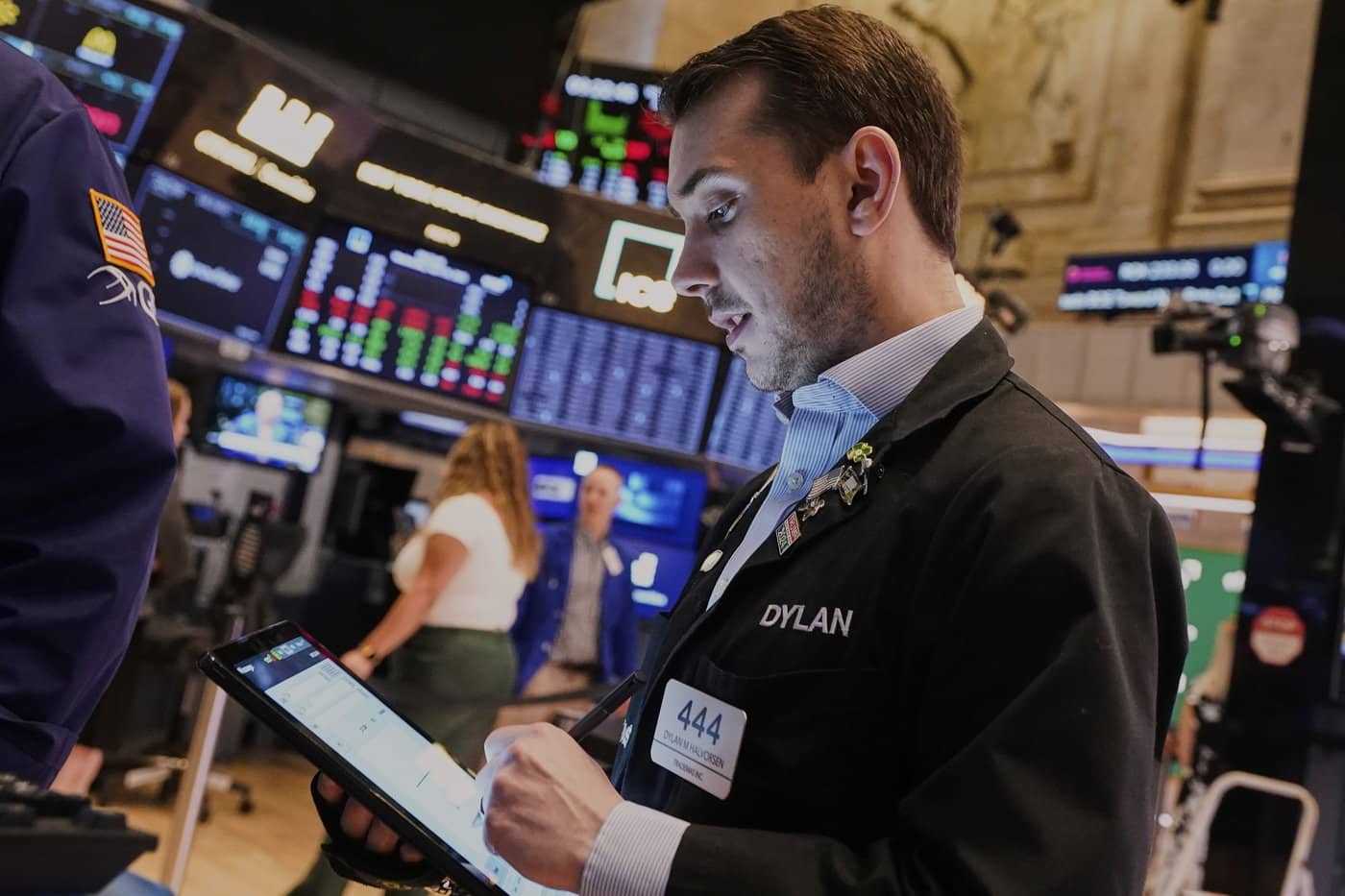
US stock futures traded modestly lower in early sessions as fresh comments from former President Donald Trump regarding potential tariffs on European goods unsettled investor sentiment. The move comes at a time when markets are already balancing slowing global growth signals with expectations around monetary policy, amplifying sensitivity to geopolitical and trade-related developments.
Futures Retreat as Trade Concerns Resurface
Equity futures linked to major US indices pointed to a softer open, reflecting renewed caution after tariff threats targeting Europe re-entered the political narrative. While details around scope, timing, or implementation remain unclear, markets tend to react swiftly to the prospect of protectionist measures due to their potential impact on corporate earnings, supply chains, and global trade flows. European equities also showed signs of pressure, underscoring how closely intertwined transatlantic markets remain.
Historically, tariff discussions have increased volatility across equity markets, particularly in sectors with significant international exposure such as industrials, autos, and technology hardware. Investors appear to be reassessing risk positioning, especially following recent gains that left valuations in parts of the market more sensitive to negative surprises.
Macro Backdrop Adds to Market Sensitivity
The pullback in futures is occurring against a complex macroeconomic backdrop. Recent economic data in the US has been mixed, with resilient labor markets contrasting with signs of slowing momentum in manufacturing and global trade. At the same time, central banks have signaled a cautious approach to interest rate adjustments, emphasizing data dependency amid lingering inflation concerns.
In this environment, trade tensions act as an additional uncertainty layer. Tariffs can be inflationary by raising input costs, while simultaneously weighing on growth by dampening demand and investment. This dual effect complicates the outlook for monetary policy, particularly if trade actions were to materialize alongside already restrictive financial conditions.
Global and Israeli Market Implications
For global investors, renewed tariff rhetoric reinforces the importance of monitoring political developments alongside economic indicators. European markets could face direct pressure if trade measures advance, while US multinationals with significant overseas revenue exposure may also see sentiment weaken. Currency markets are another channel to watch, as heightened trade tensions often drive moves in the dollar and euro, influencing capital flows.
Israeli markets are not immune to these dynamics. Israel’s economy is deeply integrated into global trade and technology supply chains, particularly with the US and Europe. Shifts in global risk appetite, equity market volatility, or currency movements can quickly transmit to local assets, affecting both equities and the shekel. As a result, international trade policy developments remain relevant even when they do not directly target Israel.
What Investors Are Watching Next
Looking ahead, market participants will focus on whether tariff rhetoric escalates into concrete policy proposals or remains part of the political backdrop. Clarity from policymakers, alongside responses from European officials, could determine whether current market pressure deepens or fades. Investors will also continue to track upcoming economic data, corporate earnings guidance, and central bank communications for signals on how resilient growth remains amid rising uncertainties.
In the near term, volatility is likely to stay elevated as markets navigate the intersection of politics, policy, and macro fundamentals. For investors, monitoring cross-asset reactions, including equities, currencies, and bonds, will be key to understanding how trade-related risks are being priced globally.
Comparison, examination, and analysis between investment houses
Leave your details, and an expert from our team will get back to you as soon as possible
* This article, in whole or in part, does not contain any promise of investment returns, nor does it constitute professional advice to make investments in any particular field.
To read more about the full disclaimer, click here
- Ronny Mor
- •
- 6 Min Read
- •
- ago 8 minutes
SKN | Is the Dow Jones Entering a Healthy Consolidation Phase Following Recent Market Highs?
The Dow Jones Industrial Average experienced a measured pullback this week, reflecting a broader recalibration of risk among institutional
- ago 8 minutes
- •
- 6 Min Read
The Dow Jones Industrial Average experienced a measured pullback this week, reflecting a broader recalibration of risk among institutional

- omer bar
- •
- 6 Min Read
- •
- ago 57 minutes
SKN | Is the Greenback Regaining Dominance? US Dollar Index Surges Past 100 in Strong Weekly Rally
The US Dollar Index demonstrated formidable upward momentum this week, decisively breaking through key resistance levels to close at
- ago 57 minutes
- •
- 6 Min Read
The US Dollar Index demonstrated formidable upward momentum this week, decisively breaking through key resistance levels to close at

- Arik Arkadi Sluzki
- •
- 7 Min Read
- •
- ago 10 hours
SKN | Formula 1 Faces Strategic Test as Middle East Tensions Intensify
Global sporting events are increasingly intersecting with geopolitical risk, and Formula 1 is now facing the possibility of significant calendar
- ago 10 hours
- •
- 7 Min Read

Global sporting events are increasingly intersecting with geopolitical risk, and Formula 1 is now facing the possibility of significant calendar

- Lior mor
- •
- 7 Min Read
- •
- ago 11 hours
SKN | Uber Co-Founder Travis Kalanick Launches Atoms: A New Bet on Specialized Robotics
The global race to develop advanced automation technologies is accelerating as companies search for ways to improve productivity and
- ago 11 hours
- •
- 7 Min Read

The global race to develop advanced automation technologies is accelerating as companies search for ways to improve productivity and

