





- Lior mor
- •
- 6 Min Read
- •
- 17 hours ago
Key Points
- United Airlines has reportedly explored potential merger discussions separately with Delta Air Lines and American Airlines over the past year.
- A major airline consolidation could reshape the competitive landscape of the U.S. aviation industry and create significant regulatory challenges.
- Investors are monitoring strategic motivations, operational synergies, and the broader outlook for airline profitability.
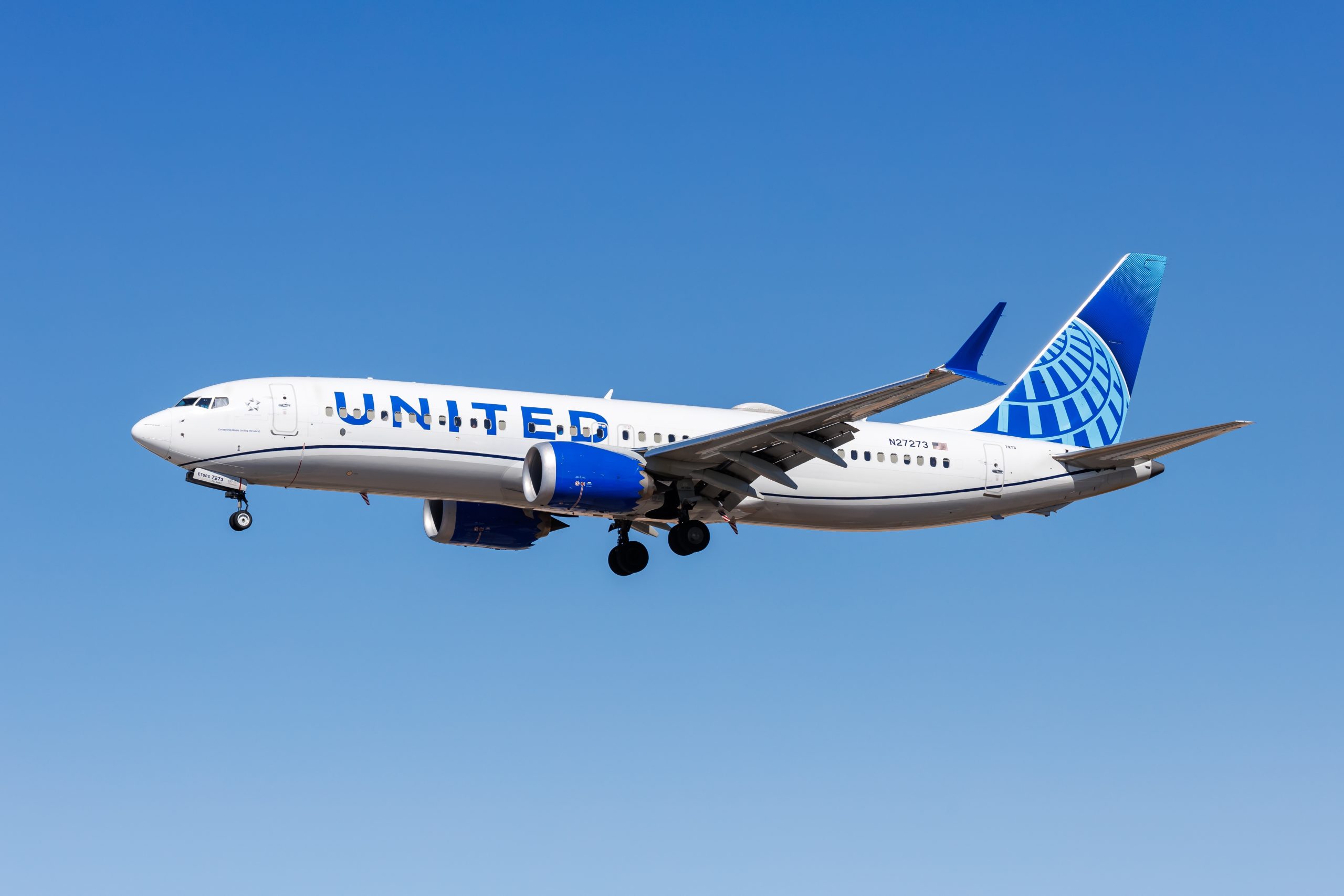
United Airlines has reportedly approached both Delta Air Lines and American Airlines regarding potential merger combinations over the past year, highlighting renewed strategic discussions around consolidation in the U.S. airline industry. While no agreement has been reached and the talks remain exploratory, the potential combinations underscore the pressure airlines face to improve efficiency, strengthen competitiveness, and manage rising operating costs.
Airline Consolidation Efforts Reflect Changing Industry Dynamics
The reported merger discussions come as major U.S. airlines continue navigating a complex operating environment shaped by fluctuating demand, labor costs, fuel prices, and evolving consumer travel patterns. United Airlines, Delta Air Lines, and American Airlines are among the largest carriers in the world, each maintaining extensive domestic and international networks.
A merger involving any of these companies would represent one of the most significant developments in global aviation in years. Larger airline groups can potentially benefit from expanded route networks, improved operational efficiency, stronger negotiating power with suppliers, and broader customer reach.
However, airline mergers have historically faced extensive regulatory scrutiny due to concerns about competition, ticket pricing, and consumer choice. U.S. regulators have previously examined consolidation within the airline sector closely, particularly when transactions could reduce the number of major competitors operating key routes.
Strategic Motives Behind Potential Combinations
For United Airlines, exploring potential partnerships with major competitors reflects broader industry considerations around scale and long-term positioning. Airlines have increasingly focused on building stronger international networks, expanding premium travel offerings, and improving profitability through operational improvements.
A combination with Delta or American Airlines could theoretically create significant network advantages, particularly through expanded airport presence and increased access to high-demand routes. However, integrating large airline operations would involve complex challenges, including fleet management, labor agreements, technology systems, and corporate culture alignment.
Investors are also evaluating whether potential consolidation would create meaningful shareholder value or introduce execution risks. The history of airline mergers shows that successful integration requires careful planning and significant investment over several years.
Implications for Global and Israeli Investors
Developments involving major U.S. airlines are relevant to global investors because the aviation industry serves as an important indicator of economic activity, consumer confidence, and international mobility trends. Airline performance is closely connected to broader factors such as fuel costs, employment conditions, tourism demand, and business travel activity.
For investors in Israel, changes within the U.S. aviation sector provide insight into global transportation trends and corporate strategies among multinational companies. Israeli investors with exposure to international markets often monitor large U.S. corporations as part of broader portfolio analysis, particularly as changes in global travel patterns can affect related industries.
The potential merger discussions also highlight a wider trend of companies seeking scale in competitive industries where operational efficiency and financial flexibility are increasingly important.
Looking ahead, investors will watch whether United Airlines continues pursuing strategic combinations, how regulators may respond to potential airline consolidation, and whether market conditions create additional opportunities for industry restructuring. Future developments will depend on negotiations, regulatory considerations, and the ability of major carriers to demonstrate long-term benefits from increased scale.
Comparison, examination, and analysis between investment houses
Leave your details, and an expert from our team will get back to you as soon as possible
* This article, in whole or in part, does not contain any promise of investment returns, nor does it constitute professional advice to make investments in any particular field.
To read more about the full disclaimer, click here
- sagi habasov
- •
- 6 Min Read
- •
- ago 19 hours
SKN | Plug Power’s Dramatic Reversal: What Lies Ahead for the Hydrogen Stock After Losing Its 2026 Gains?
Plug Power's volatile share-price performance has once again highlighted both the opportunities and risks associated with the hydrogen economy. After
- ago 19 hours
- •
- 6 Min Read

Plug Power's volatile share-price performance has once again highlighted both the opportunities and risks associated with the hydrogen economy. After

- omer bar
- •
- 7 Min Read
- •
- ago 1 day
SKN | Intuitive Surgical’s Durable Business Model Keeps Long-Term Growth in Focus
Intuitive Surgical (NASDAQ: ISRG) remains one of the most closely followed medical technology companies as investors evaluate the long-term
- ago 1 day
- •
- 7 Min Read

Intuitive Surgical (NASDAQ: ISRG) remains one of the most closely followed medical technology companies as investors evaluate the long-term

- Arik Arkadi Sluzki
- •
- 6 Min Read
- •
- ago 2 days
SKN | Why Are Wall Street Analysts So Divided on Sandisk’s Future?
Sandisk (NASDAQ: SNDK) has become one of the most closely watched companies in the semiconductor sector as analysts struggle
- ago 2 days
- •
- 6 Min Read

Sandisk (NASDAQ: SNDK) has become one of the most closely watched companies in the semiconductor sector as analysts struggle
- omer bar
- •
- 5 Min Read
- •
- ago 2 days
SKN | AMD’s AI Strategy Wins Wall Street Support as Analysts Raise Price Targets
Advanced Micro Devices (NASDAQ: AMD) has received renewed support from Wall Street following its recent Advancing AI event, where
- ago 2 days
- •
- 5 Min Read
Advanced Micro Devices (NASDAQ: AMD) has received renewed support from Wall Street following its recent Advancing AI event, where


