





- sagi habasov
- •
- 8 Min Read
- •
- 2 hours ago
Key Points
- Uber's shares have fallen sharply over the past year, leaving the stock trading at valuation multiples that some market participants consider increasingly attractive.
- Investors remain cautious about whether autonomous vehicles could disrupt Uber's long-term business model.
- Industry analysts argue that Uber's global platform and network effects could position it as a key mobility service provider even in a robotaxi-driven future.
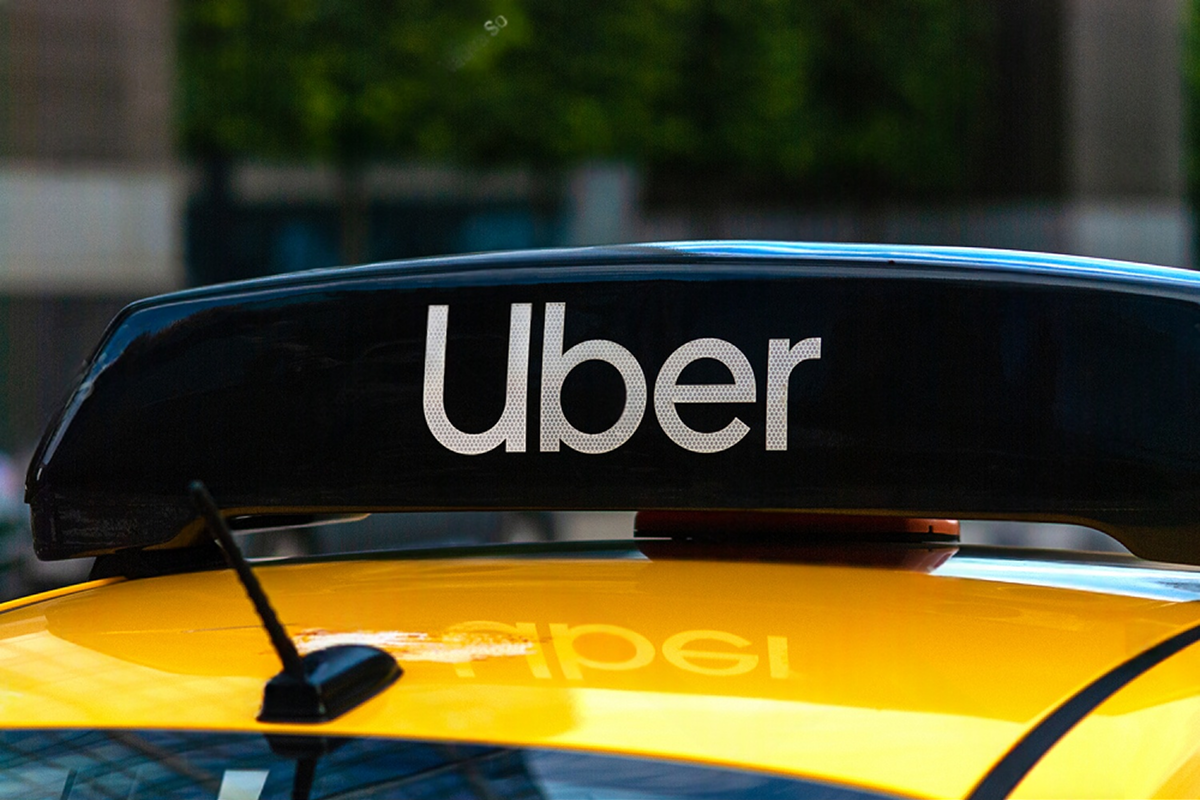
Uber Technologies Inc. has become one of the most closely watched companies in the global mobility sector as investors weigh its long-term role in an industry rapidly evolving toward autonomous transportation. Although the company’s shares have declined significantly over the past year, market participants remain divided over whether the weakness reflects a genuine business risk or an opportunity created by concerns surrounding robotaxis.
The debate extends well beyond Uber itself. Autonomous driving has become one of the most significant investment themes across global markets, with companies including Tesla, Waymo, Zoox and several traditional automakers investing billions of dollars to commercialize self-driving transportation. The key question for investors is whether these developments will replace ride-hailing platforms or strengthen them.
Valuation Compression Reflects Long-Term Uncertainty
Uber shares recently traded near $68, down approximately 24% over the past twelve months and well below their 52-week high of nearly $102. The company’s market capitalization stood at approximately $138.8 billion, while its price-to-earnings ratio was around 16.9, according to market data.
Some investors believe the decline has left Uber trading at relatively modest valuation levels compared with its expected long-term earnings growth. Market commentary cited by investors suggests the stock is valued at roughly 15 times projected 2027 earnings and approximately 12 times estimated 2028 earnings. However, these forward valuation estimates are based on analyst projections and are subject to change as financial results evolve.
The valuation discount largely reflects uncertainty surrounding the future economics of autonomous transportation rather than concerns about Uber’s current operating performance. Investors are attempting to determine whether self-driving technology will reduce Uber’s competitive advantage or reinforce its position within the mobility ecosystem.
Robotaxis Could Reshape the Industry Without Replacing Uber
A growing number of industry observers argue that the market may be overestimating the competitive threat posed by robotaxis. While autonomous vehicles are expected to become more common in major metropolitan areas over the coming decade, many analysts believe the industry will remain highly fragmented across different manufacturers, technology providers and geographic markets.
Companies such as Waymo, Tesla, and Zoox are pursuing different strategies for autonomous transportation, yet each faces significant operational challenges, including fleet deployment, maintenance, regulation and capital investment. Rather than building global consumer-facing mobility platforms, some analysts expect autonomous vehicle manufacturers to increasingly function as fleet operators or equipment suppliers.
In that scenario, ride-hailing platforms like Uber could continue serving as the primary interface between consumers and transportation providers. Uber’s established user base, payment infrastructure, global brand recognition and operational experience may provide competitive advantages that remain valuable regardless of who owns the underlying vehicles.
Execution Will Determine Long-Term Market Leadership
Although Uber’s platform strategy remains compelling to many investors, execution will be critical. The company continues expanding its ecosystem through ride-sharing, food delivery, freight and advertising, creating multiple revenue streams beyond passenger transportation. Successfully integrating autonomous vehicle partnerships into this ecosystem could strengthen its competitive position over time.
However, regulatory developments, technological progress and competitive dynamics remain key variables. Governments across North America, Europe and Asia continue developing regulatory frameworks for autonomous vehicles, while commercial adoption timelines remain uncertain. Any acceleration or delay in robotaxi deployment could materially influence investor expectations.
For institutional investors in Israel and globally, Uber represents a broader case study in how platform businesses adapt to technological disruption. Rather than focusing solely on vehicle ownership, markets are increasingly evaluating which companies will control customer relationships, transaction infrastructure and network effects within the next generation of mobility services.
Looking ahead, investors will closely monitor Uber’s earnings growth, autonomous vehicle partnerships, regulatory developments and competitive positioning within the evolving mobility market. The pace of commercial robotaxi adoption, combined with Uber’s ability to integrate new technologies into its existing platform, will likely remain the primary drivers of long-term valuation and market sentiment. As autonomous transportation moves from pilot programs toward wider deployment, the company’s strategic execution may prove more important than the technology itself.
Comparison, examination, and analysis between investment houses
Leave your details, and an expert from our team will get back to you as soon as possible
* This article, in whole or in part, does not contain any promise of investment returns, nor does it constitute professional advice to make investments in any particular field.
To read more about the full disclaimer, click here
- Lior mor
- •
- 7 Min Read
- •
- ago 51 minutes
SKN | Chipotle Shares Extend Weekly Decline as Jalapeño Supply Faces Salmonella Investigation
Chipotle Mexican Grill came under renewed selling pressure after the company disclosed that one of its jalapeño suppliers may
- ago 51 minutes
- •
- 7 Min Read
Chipotle Mexican Grill came under renewed selling pressure after the company disclosed that one of its jalapeño suppliers may

- omer bar
- •
- 7 Min Read
- •
- ago 1 hour
SKN | Sandisk Delivers Record Quarterly Results as Data Center Demand Drives Growth, but Soft Guidance Tempers Outlook
Sandisk delivered stronger-than-expected fiscal fourth-quarter results, highlighting continued momentum across the artificial intelligence and enterprise storage markets. While revenue,
- ago 1 hour
- •
- 7 Min Read

Sandisk delivered stronger-than-expected fiscal fourth-quarter results, highlighting continued momentum across the artificial intelligence and enterprise storage markets. While revenue,

- Arik Arkadi Sluzki
- •
- 7 Min Read
- •
- ago 2 hours
SKN | SpaceX Stock Slides Despite Strong Debut Earnings as Lock-Up Expiration and AI Spending Raise Investor Concerns
SpaceX shares came under significant selling pressure on August 6 despite the company delivering what appeared to be a
- ago 2 hours
- •
- 7 Min Read
SpaceX shares came under significant selling pressure on August 6 despite the company delivering what appeared to be a

- Ronny Mor
- •
- 6 Min Read
- •
- ago 5 hours
SKN | DeepSeek Backs Unitree IPO With $20.8 Million Bet as China Pushes AI-Powered Robotics
DeepSeek has strengthened its position in China's rapidly evolving artificial intelligence ecosystem by investing 140.8 million yuan ($20.8 million)
- ago 5 hours
- •
- 6 Min Read
DeepSeek has strengthened its position in China's rapidly evolving artificial intelligence ecosystem by investing 140.8 million yuan ($20.8 million)


