


- Ronny Mor
- •
- 7 Min Read
- •
- 37 minutes ago
Key Points
- UAE stock exchanges suspended trading for two days following escalating regional tensions linked to Iran strikes.
- The move reflects heightened geopolitical risk and precautionary market stabilization measures.
- Oil prices and regional equities remain sensitive to further developments in the Gulf.
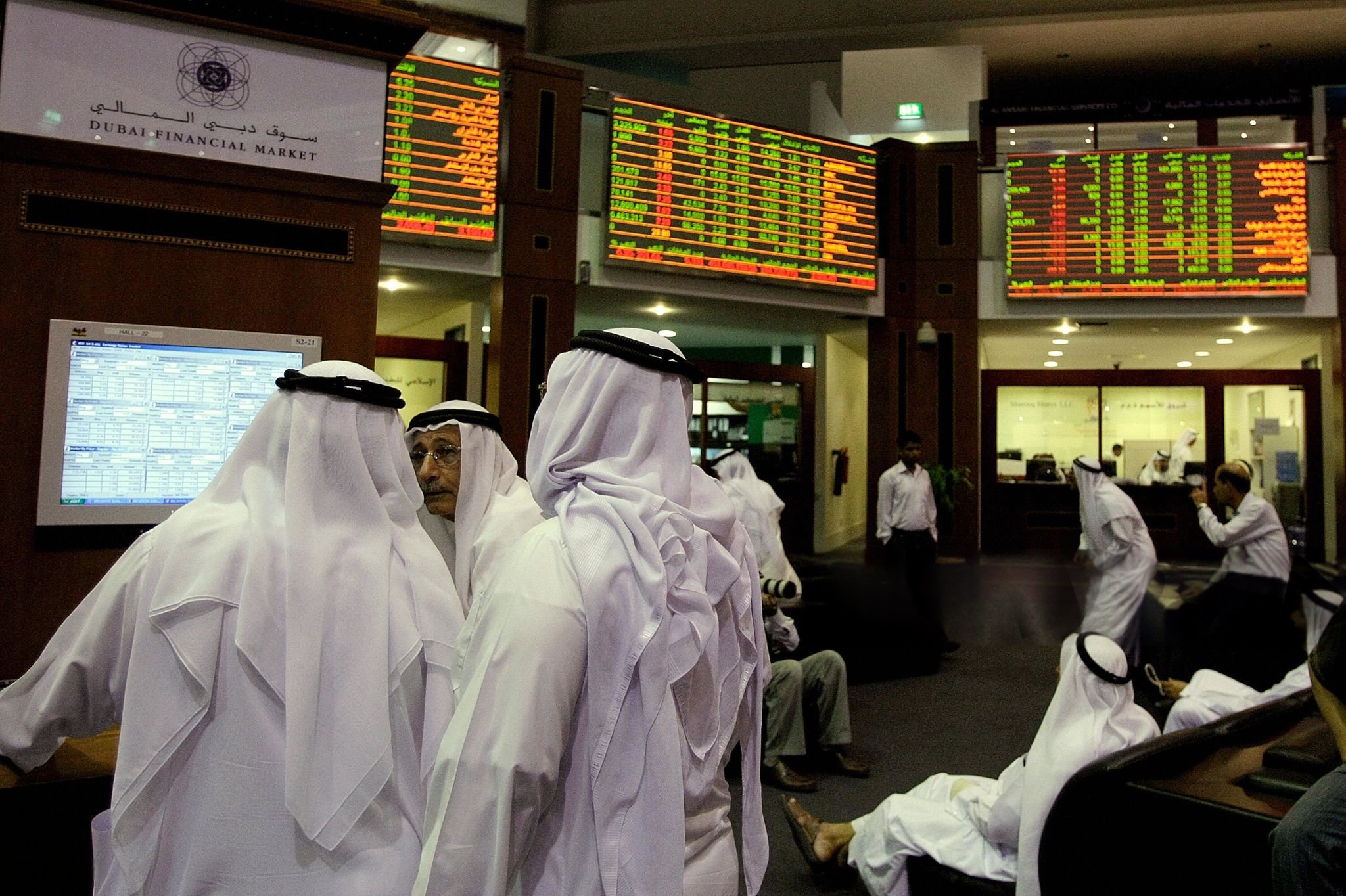
The United Arab Emirates temporarily closed its stock markets for two days amid escalating tensions following reported strikes involving Iran, underscoring rising geopolitical risks across the Gulf. The suspension affects trading on both the Abu Dhabi Securities Exchange (ADX) and the Dubai Financial Market (DFM), marking a rare pause in one of the Middle East’s most liquid capital hubs. The move comes as regional investors reassess exposure amid heightened volatility in energy markets and cross-border capital flows.
Market Suspension as a Stability Mechanism
Trading halts of this scale are uncommon in the UAE and typically occur during national holidays or extraordinary circumstances. The decision to suspend activity for two consecutive days appears aimed at preserving orderly market conditions during a period of elevated uncertainty. Gulf markets are particularly sensitive to geopolitical events due to their proximity to strategic shipping lanes, including the Strait of Hormuz, through which roughly a fifth of global oil supply passes, according to estimates from international energy agencies.
Prior to the closure, regional equity indices had shown increased volatility, with financial and real estate stocks particularly reactive to headlines. Banking shares—often proxies for broader economic confidence in the Gulf—faced selling pressure as investors priced in potential capital flow disruptions. While official performance figures surrounding the suspension remain limited, market participants indicated liquidity conditions had tightened.
Energy Markets and Regional Spillover
The UAE’s position as a major oil exporter means developments involving Iran carry broader macroeconomic implications. Oil prices tend to respond immediately to escalation risks in the Gulf, reflecting concerns about supply disruptions or shipping security. Even temporary spikes in crude can affect inflation expectations globally and shift monetary policy assumptions in major economies.
For Israel and other regional economies, the situation highlights interconnected market sensitivities. Israeli institutional investors maintain exposure to Gulf markets both directly and via emerging market allocations. Any sustained disruption could influence portfolio volatility, particularly in funds with Middle East allocations. However, the UAE’s strong fiscal buffers and sovereign wealth backing—primarily through entities such as ADIA and Mubadala—provide a degree of structural resilience that historically supports market recovery after shocks.
Investor Sentiment and Capital Flows
Foreign ownership in UAE equities has increased in recent years following index inclusions in major emerging market benchmarks. As a result, global capital flows play a larger role in determining short-term price action. In periods of geopolitical stress, foreign investors often adopt a risk-off posture, potentially amplifying downside moves once trading resumes.
At the same time, domestic institutional investors and government-linked entities frequently act as stabilizing forces. The temporary suspension may therefore serve as a cooling-off period, allowing regional diplomacy and global risk sentiment to recalibrate before price discovery resumes.
Currency markets will also be closely monitored. Although the UAE dirham remains pegged to the U.S. dollar, regional currencies and credit spreads may reflect broader investor caution. Sovereign bond markets in the Gulf could provide early signals of risk repricing once trading activity normalizes.
Looking ahead, the trajectory of regional markets will largely depend on whether tensions escalate further or show signs of containment. Investors will monitor energy price stability, diplomatic developments, and reopening dynamics on the ADX and DFM. If volatility remains contained and oil flows are unaffected, historical precedent suggests Gulf markets may stabilize relatively quickly. However, sustained geopolitical friction could prompt a broader reassessment of emerging market risk premiums, with implications extending beyond the Middle East into global asset allocation strategies.
Comparison, examination, and analysis between investment houses
Leave your details, and an expert from our team will get back to you as soon as possible
* This article, in whole or in part, does not contain any promise of investment returns, nor does it constitute professional advice to make investments in any particular field.
To read more about the full disclaimer, click here
- Lior mor
- •
- 6 Min Read
- •
- ago 7 hours
SKN | Natural Gas Futures Rebound: Is the Late-Week Rally to $2.859 Sustainable?
The Natural Gas April 2026 (NG=F) contract ended the trading week on a note of resilience, closing at $2.8590
- ago 7 hours
- •
- 6 Min Read
The Natural Gas April 2026 (NG=F) contract ended the trading week on a note of resilience, closing at $2.8590

- Arik Arkadi Sluzki
- •
- 6 Min Read
- •
- ago 7 hours
SKN | Silver Futures Surge: March Contract Shatters $93 Ceiling in Volatile Weekly Close
Silver futures experienced a dramatic week of trading, culminating in a significant breakout on Friday that reshaped the short-term
- ago 7 hours
- •
- 6 Min Read

Silver futures experienced a dramatic week of trading, culminating in a significant breakout on Friday that reshaped the short-term

- sagi habasov
- •
- 7 Min Read
- •
- ago 8 hours
SKN | Crude Oil Rebounds to $67: Is the Energy Sector Signaling a Bullish Shift?
The energy markets witnessed significant volatility this past week, culminating in a robust recovery for Crude Oil futures. After
- ago 8 hours
- •
- 7 Min Read

The energy markets witnessed significant volatility this past week, culminating in a robust recovery for Crude Oil futures. After

- orshu
- •
- 5 Min Read
- •
- ago 9 hours
SKN | Brent Crude Rallies Near $73 as Geopolitical Risks Override Oversupply Concerns
Geopolitical anxieties returned to the forefront of global energy markets this week, propelling Brent Crude to a sharp Friday
- ago 9 hours
- •
- 5 Min Read

Geopolitical anxieties returned to the forefront of global energy markets this week, propelling Brent Crude to a sharp Friday

