





- Lior mor
- •
- 6 Min Read
- •
- 2 hours ago
Key Points
- A senior U.S. trade official said only “very few” Nvidia H200 AI chips have been shipped to China, underscoring the effectiveness of current export restrictions.
- The comments highlight Washington’s continued focus on limiting China’s access to advanced artificial intelligence hardware while allowing tightly controlled commercial activity.
- Investors are closely watching how export policies could affect Nvidia’s long-term revenue growth, global AI infrastructure spending, and semiconductor supply chains.
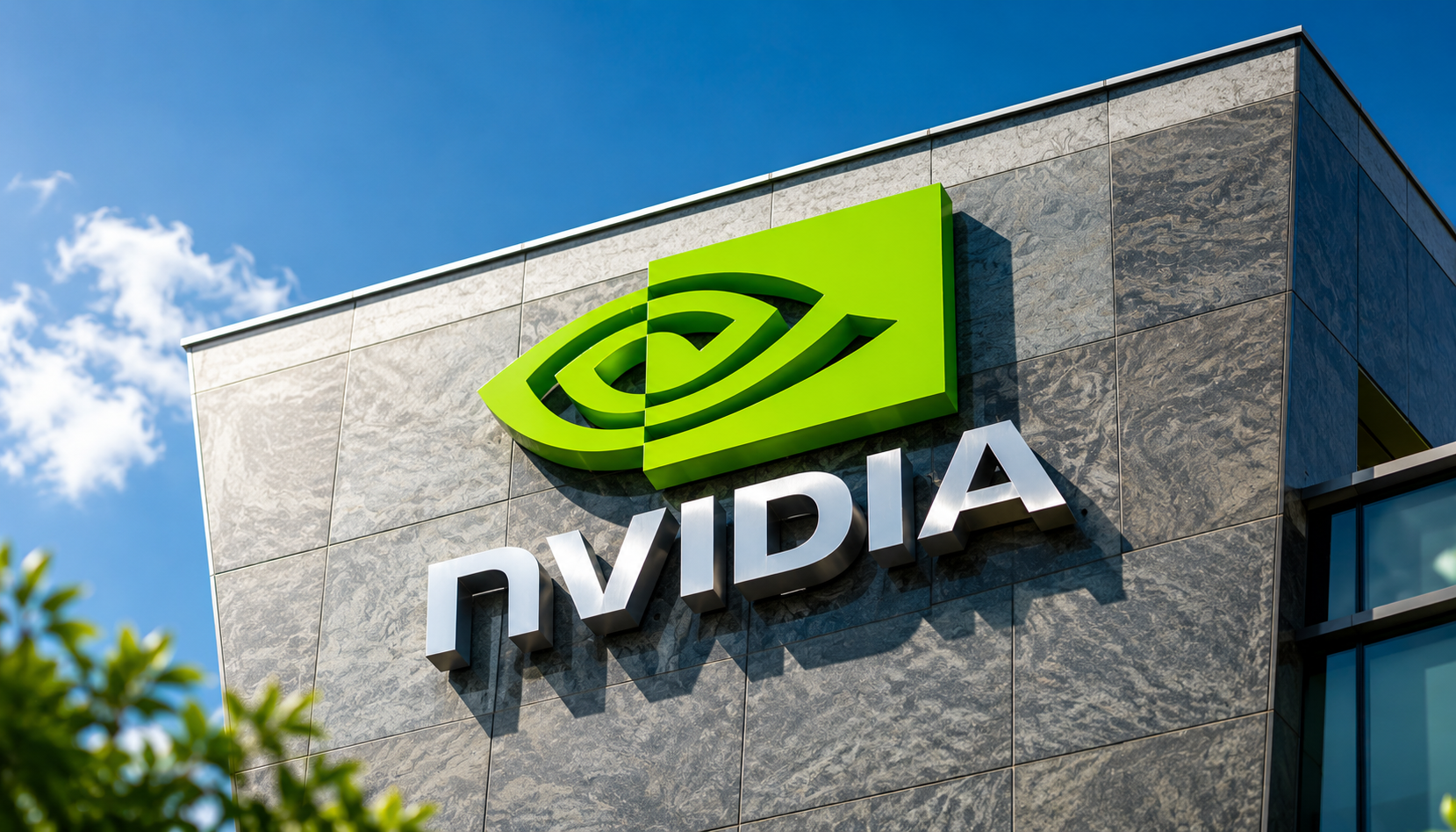
The global race for artificial intelligence leadership remains closely intertwined with geopolitical strategy. A senior U.S. trade official stated that very few Nvidia H200 AI processors have been shipped to China, suggesting that U.S. export controls continue to significantly limit the flow of advanced AI hardware despite strong demand from Chinese technology companies.
The remarks come as policymakers seek to balance national security objectives with the commercial interests of one of the world’s most valuable semiconductor companies, while investors continue assessing how evolving regulations may reshape the global AI ecosystem.
Export Controls Continue to Shape AI Competition
The Nvidia H200 represents one of the company’s most advanced graphics processing units (GPUs), designed to accelerate artificial intelligence model training and inference. Demand for these processors has surged globally as hyperscale cloud providers, enterprise customers, and governments expand investments in AI infrastructure.
Washington has progressively tightened restrictions on exports of advanced AI chips to China over the past several years, arguing that cutting-edge computing capabilities could enhance military modernization and strategic technologies. The latest comments from U.S. trade officials indicate that these measures have largely succeeded in limiting shipments of the H200 platform into the Chinese market.
Nvidia Faces a Complex Growth Equation
Although China has historically represented an important market for Nvidia, the company has increasingly diversified its customer base through robust demand from the United States, Europe, the Middle East, and other parts of Asia. Massive investments in AI data centers have helped offset some of the revenue pressure created by export restrictions.
Nevertheless, continued limitations on access to China could influence Nvidia’s long-term addressable market. The company has previously developed modified processors designed to comply with U.S. regulations, though future policy changes could affect the commercial viability of those products as regulatory requirements continue to evolve.
Broader Implications for the Semiconductor Industry
The comments also reinforce the increasingly strategic role of semiconductor technology within global trade policy. AI chips have become critical infrastructure for economic competitiveness, placing manufacturers, cloud providers, and governments at the center of a rapidly evolving regulatory environment.
For Israeli investors, the developments remain particularly relevant given Israel’s strong semiconductor ecosystem, including research, chip design, cybersecurity, and AI innovation. Changes in global export policy can influence investment activity across the broader technology supply chain, even for companies that do not directly manufacture advanced processors.
Outlook: Investors are likely to remain focused on the next phase of U.S. semiconductor export policy, Nvidia’s ability to sustain rapid AI-driven revenue growth, and whether additional regulatory changes emerge as geopolitical competition intensifies. While global demand for AI computing infrastructure remains exceptionally strong, the industry’s outlook will increasingly depend on the balance between technological innovation, commercial expansion, and evolving national security priorities. Continued policy uncertainty may introduce periodic volatility, making regulatory developments almost as important as quarterly earnings for semiconductor valuations.
Comparison, examination, and analysis between investment houses
Leave your details, and an expert from our team will get back to you as soon as possible
* This article, in whole or in part, does not contain any promise of investment returns, nor does it constitute professional advice to make investments in any particular field.
To read more about the full disclaimer, click here
- sagi habasov
- •
- 6 Min Read
- •
- ago 8 hours
SKN | Micron and Nvidia Power a $700 Billion AI Chip Profit Boom as Semiconductor Leaders Reshape the Industry
The artificial intelligence revolution continues to transform the global semiconductor industry, with Nvidia and Micron Technology emerging as two
- ago 8 hours
- •
- 6 Min Read
The artificial intelligence revolution continues to transform the global semiconductor industry, with Nvidia and Micron Technology emerging as two

- omer bar
- •
- 7 Min Read
- •
- ago 11 hours
SKN | Is the AI Investment Boom Just Beginning? SoftBank’s Masayoshi Son Predicts $5 Trillion in Annual Spending by 2040
SoftBank Group founder and CEO Masayoshi Son has made one of his boldest forecasts yet for the future of artificial
- ago 11 hours
- •
- 7 Min Read

SoftBank Group founder and CEO Masayoshi Son has made one of his boldest forecasts yet for the future of artificial

- Ronny Mor
- •
- 6 Min Read
- •
- ago 18 hours
SKN | Why Are Semiconductor Equipment Stocks Falling? What the Declines in Nova, Teradyne, and Kulicke & Soffa Signal for Investors
Semiconductor equipment stocks experienced renewed selling pressure as Nova Ltd., Teradyne, and Kulicke & Soffa recorded significant share price declines.
- ago 18 hours
- •
- 6 Min Read

Semiconductor equipment stocks experienced renewed selling pressure as Nova Ltd., Teradyne, and Kulicke & Soffa recorded significant share price declines.
- sagi habasov
- •
- 6 Min Read
- •
- ago 18 hours
SKN | Why Are Semiconductor Stocks Sliding? What the Sharp Declines in Amkor, Himax, and Entegris Mean for Investors
Semiconductor stocks came under renewed selling pressure as shares of Amkor Technology, Himax Technologies, and Entegris posted notable declines, highlighting
- ago 18 hours
- •
- 6 Min Read

Semiconductor stocks came under renewed selling pressure as shares of Amkor Technology, Himax Technologies, and Entegris posted notable declines, highlighting


