





- orshu
- •
- 6 Min Read
- •
- 56 minutes ago
Key Points
- U.S. equity markets moved higher on July 31, led by the Nasdaq and Russell 2000 as investors maintained confidence in technology growth and broader market momentum.
- The Nasdaq gained 1.27% and the S&P 500 advanced 0.67%, reflecting continued strength in large-cap technology and artificial intelligence-related companies.
- The Russell 2000 climbed 1.37%, while mixed performance across international markets highlighted selective positioning ahead of upcoming economic developments.
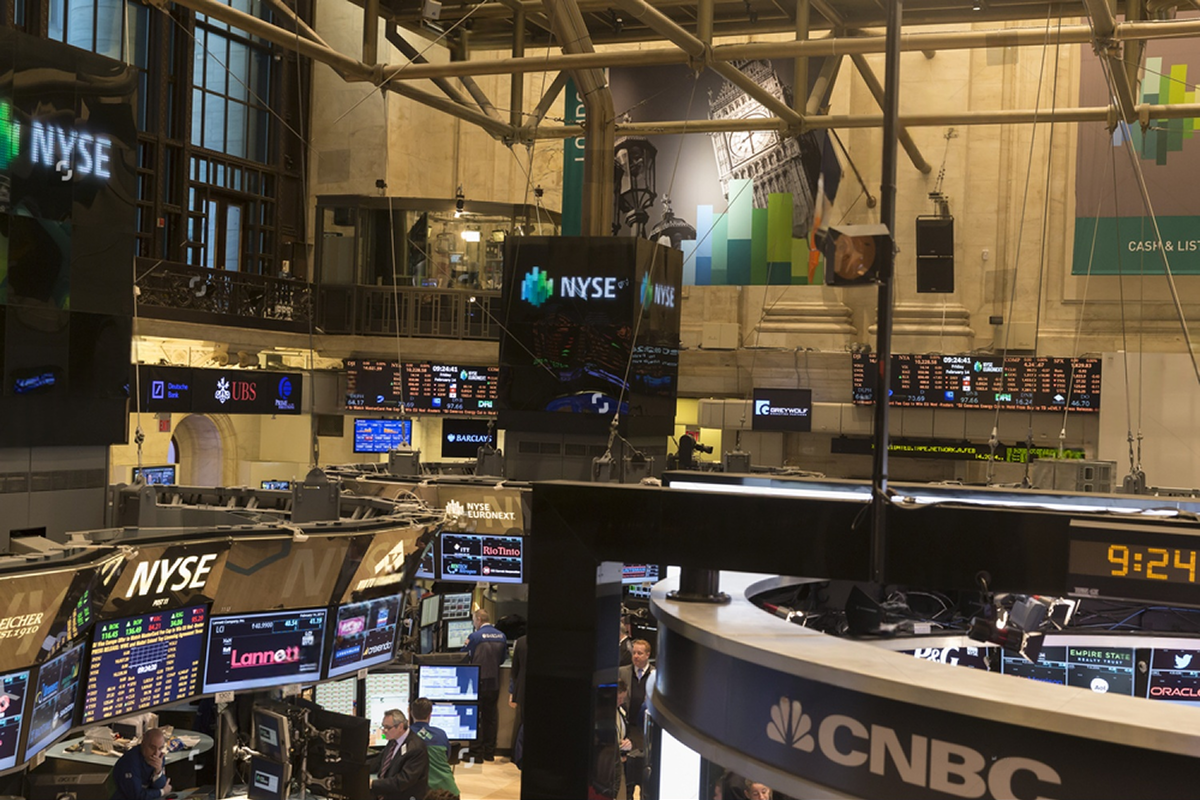
U.S. equity markets opened higher on July 31 as investors continued to assess corporate earnings momentum, artificial intelligence investment trends, and the broader economic outlook. The session reflected renewed demand for risk assets, with technology shares and smaller-cap companies leading gains as market participants evaluated the strength of corporate growth.
The positive market movement follows a period of heightened focus on artificial intelligence spending, Federal Reserve policy expectations, and earnings performance from major companies. Investors remain attentive to whether strong corporate results can continue supporting elevated equity valuations while economic conditions gradually evolve.
Technology Stocks Support Market Momentum
The Nasdaq Composite advanced 1.27% to 25,441.60, leading gains among major U.S. benchmarks. The move reflects continued investor interest in technology companies benefiting from artificial intelligence adoption, cloud infrastructure expansion, and semiconductor demand.
Artificial intelligence remains a central theme across global markets as companies continue increasing investments in computing capacity, data centers, and advanced software solutions. Recent earnings reports from major technology firms have reinforced expectations that AI-related spending may remain a significant driver of corporate growth, although investors continue monitoring the timeline for returns on these investments.
Small-Cap Stocks Gain as Risk Appetite Improves
The Russell 2000 rose 1.37% to 2,946.10, outperforming several larger benchmarks during the session. The advance suggests improving sentiment toward smaller U.S. companies, which are often more sensitive to domestic economic conditions, interest rate expectations, and financing costs.
The S&P 500 increased 0.67% to 7,487.33, supported by continued strength across major sectors. The index remains closely tied to the performance of large-cap companies, particularly firms with strong balance sheets, international revenue exposure, and leadership positions in technology and innovation-driven industries.
The Dow Jones Industrial Average gained 0.36% to 52,394.60, reflecting moderate gains among established U.S. corporations. The more measured move compared with technology-heavy indexes indicates that investor interest remained concentrated in growth-oriented areas of the market.
Currency and Global Market Signals Remain Mixed
The U.S. Dollar Index increased 0.34% to 100.20, showing modest dollar strength as investors continued monitoring monetary policy expectations and global economic conditions. Currency movements remain an important factor for multinational companies and international investors evaluating cross-border exposure.
Outside the United States, market performance was mixed. Brazil’s IBOVESPA remained unchanged at 177,158.86, while Canada’s S&P/TSX Composite Index declined 0.14% to 35,454.60. The divergence highlights continued differences between regional economies, commodity exposure, and investor sentiment.
Looking ahead, investors will continue monitoring corporate earnings results, inflation indicators, Federal Reserve policy expectations, and developments in artificial intelligence investment. Market participants will also assess whether recent gains can broaden beyond technology leaders and whether improving sentiment among smaller companies signals a more balanced equity market environment. The ability of businesses to convert strong revenue growth into sustainable profitability will remain a key factor influencing market direction in the coming sessions.
Comparison, examination, and analysis between investment houses
Leave your details, and an expert from our team will get back to you as soon as possible
* This article, in whole or in part, does not contain any promise of investment returns, nor does it constitute professional advice to make investments in any particular field.
To read more about the full disclaimer, click here
- orshu
- •
- 6 Min Read
- •
- ago 3 hours
SKN | Asia Markets Surge on July 31, 2026 as South Korea Soars Nearly 18% to Lead Regional Rally
Asian markets closed sharply higher on July 31, 2026, capping the month with one of the strongest regional performances of
- ago 3 hours
- •
- 6 Min Read

Asian markets closed sharply higher on July 31, 2026, capping the month with one of the strongest regional performances of
- orshu
- •
- 6 Min Read
- •
- ago 7 hours
SKN | European Markets Surge to End July as Broad-Based Rally Lifts Stocks and Currencies
European markets ended July with an impressive rally on July 31, 2026, as every major benchmark finished firmly in positive
- ago 7 hours
- •
- 6 Min Read

European markets ended July with an impressive rally on July 31, 2026, as every major benchmark finished firmly in positive
- orshu
- •
- 7 Min Read
- •
- ago 17 hours
SKN | Wall Street Rebounds Strongly as Technology Leads Broad Market Rally
U.S. equity markets staged a broad-based recovery as investors returned to equities following the previous session's sharp sell-off. Technology stocks
- ago 17 hours
- •
- 7 Min Read

U.S. equity markets staged a broad-based recovery as investors returned to equities following the previous session's sharp sell-off. Technology stocks

- Lior mor
- •
- 7 Min Read
- •
- ago 21 hours
SKN | European Markets Close Higher as Continental Stocks Rally Despite FTSE 100 Dip
European equity markets ended Thursday's session with broad gains as investors continued to assess corporate earnings, economic developments, and
- ago 21 hours
- •
- 7 Min Read
European equity markets ended Thursday's session with broad gains as investors continued to assess corporate earnings, economic developments, and


