





- sagi habasov
- •
- 7 Min Read
- •
- 2 hours ago
Key Points
- The United States, Iran, and Oman are reportedly nearing an agreement that could reopen the Strait of Hormuz and ease tensions surrounding one of the world’s most important energy routes.
- A potential reopening could influence oil prices, shipping activity, and global market expectations related to energy supply risks.
- Investors are monitoring diplomatic developments, geopolitical risks, and the impact on commodities, currencies, and broader financial markets.
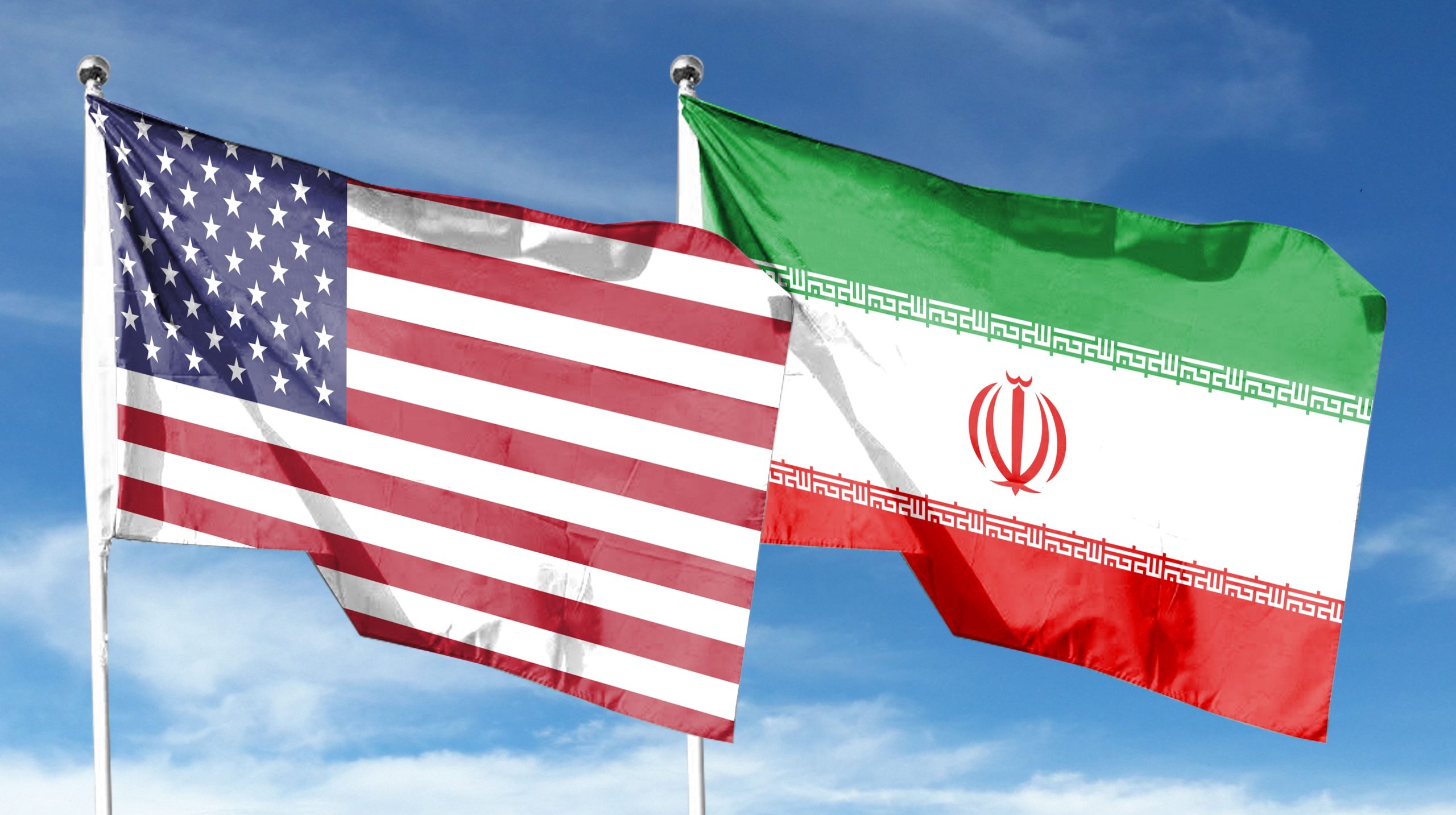
The United States, Iran, and Oman are reportedly moving closer to a potential agreement that could reopen the Strait of Hormuz, a critical maritime route for global energy transportation. The development comes as markets continue closely watching geopolitical risks in the Middle East, where disruptions to energy flows can have significant effects on oil prices, inflation expectations, and financial conditions worldwide.
Potential Strait of Hormuz Reopening Could Ease Energy Market Concerns
The Strait of Hormuz is one of the most strategically important waterways in the global economy, with a significant portion of the world’s crude oil and natural gas shipments passing through the region. Any restrictions or disruptions in the area can quickly affect energy markets by increasing concerns over supply availability and transportation risks.
A potential agreement involving the United States, Iran, and Oman could reduce some of the uncertainty surrounding maritime access and regional tensions. Oman has historically played a role as a diplomatic intermediary between Washington and Tehran, making the country an important participant in discussions focused on regional stability.
For energy markets, the possibility of reopening the route could influence expectations regarding future oil supply conditions. A reduction in geopolitical risk premiums could place pressure on crude prices, while improved shipping conditions could support greater stability across global energy markets.
Oil Prices, Inflation and Global Markets Remain Closely Connected
Energy markets remain highly sensitive to geopolitical developments because oil prices directly affect transportation costs, industrial activity, and consumer inflation. A sustained reduction in supply concerns could influence expectations for inflation trends and central bank policy decisions in major economies.
However, market participants continue to evaluate whether any agreement would represent a long-term shift in regional conditions or a temporary diplomatic development. Previous periods of tension in the Middle East have demonstrated that energy markets can react quickly to changes in security conditions and political negotiations.
Beyond oil markets, developments surrounding the Strait of Hormuz can influence currencies, shipping companies, energy-related equities, and investor sentiment toward risk assets. Companies with exposure to transportation, commodities, and global supply chains may also be affected by changes in geopolitical conditions.
Implications for Global Markets and Israeli Investors
The potential agreement highlights the broader relationship between geopolitical events and financial markets. Investors worldwide continue to monitor how diplomatic developments influence commodity prices, economic forecasts, and asset allocation decisions.
For investors in Israel, developments in the Middle East are particularly relevant because regional security conditions can affect energy markets, currency movements, and investor confidence. Israeli companies and institutional investors with exposure to global markets remain sensitive to changes in oil prices, inflation expectations, and international risk factors.
The situation also demonstrates the importance of geopolitical analysis in understanding market movements. While financial markets often react quickly to headlines, long-term effects depend on whether diplomatic progress leads to sustained stability and improved economic conditions.
Looking ahead, investors will monitor official statements from the United States, Iran, and Oman, developments related to maritime access, oil price movements, and broader geopolitical conditions. The ability to maintain stability around the Strait of Hormuz will remain a key factor influencing global energy markets and financial sentiment in the coming months.
Comparison, examination, and analysis between investment houses
Leave your details, and an expert from our team will get back to you as soon as possible
* This article, in whole or in part, does not contain any promise of investment returns, nor does it constitute professional advice to make investments in any particular field.
To read more about the full disclaimer, click here
- orshu
- •
- 8 Min Read
- •
- ago 1 hour
SKN | Global Markets Wrap: August 4, 2026 Rally Drives U.S., Europe, and Tel Aviv Higher While Asia Shows Mixed Signals – Outlook Ahead of August 5 Trading
Global markets closed August 4, 2026, with broad positive momentum as investors continued to increase exposure to equities following recent
- ago 1 hour
- •
- 8 Min Read

Global markets closed August 4, 2026, with broad positive momentum as investors continued to increase exposure to equities following recent

- Ronny Mor
- •
- 6 Min Read
- •
- ago 3 hours
SKN | SpaceX Exceeds Wall Street Expectations in First Earnings Report as Investors Watch Growth Trajectory
SpaceX has exceeded Wall Street expectations in its first earnings release, providing investors and market participants with new insight into
- ago 3 hours
- •
- 6 Min Read
SpaceX has exceeded Wall Street expectations in its first earnings release, providing investors and market participants with new insight into
- Ronny Mor
- •
- 7 Min Read
- •
- ago 4 hours
SKN | Asian Markets Mixed on August 5 as South Korea and Japan Surge While Hong Kong and India Weaken
Asian equity markets traded with mixed performance during Wednesday morning's session on August 5 as strong gains in South Korea
- ago 4 hours
- •
- 7 Min Read

Asian equity markets traded with mixed performance during Wednesday morning's session on August 5 as strong gains in South Korea

- sagi habasov
- •
- 7 Min Read
- •
- ago 6 hours
SKN | BYD Accelerates Brazil Expansion With First Locally Built Plug-In Hybrid Flex-Fuel Vehicle
BYD has introduced its first Brazilian-manufactured plug-in hybrid flex-fuel vehicle, marking another milestone in the Chinese automaker's international expansion
- ago 6 hours
- •
- 7 Min Read

BYD has introduced its first Brazilian-manufactured plug-in hybrid flex-fuel vehicle, marking another milestone in the Chinese automaker's international expansion


