


- Ronny Mor
- •
- 7 Min Read
- •
- 2 hours ago
Key Points
- An Australian central banker reaffirmed that the U.S. dollar remains the world’s primary safe-haven currency during periods of financial stress.
- The statement highlights the continued dominance of the U.S. dollar in global reserves, trade settlements, and financial markets.
- Investors continue turning to dollar-denominated assets during geopolitical tensions and economic uncertainty.
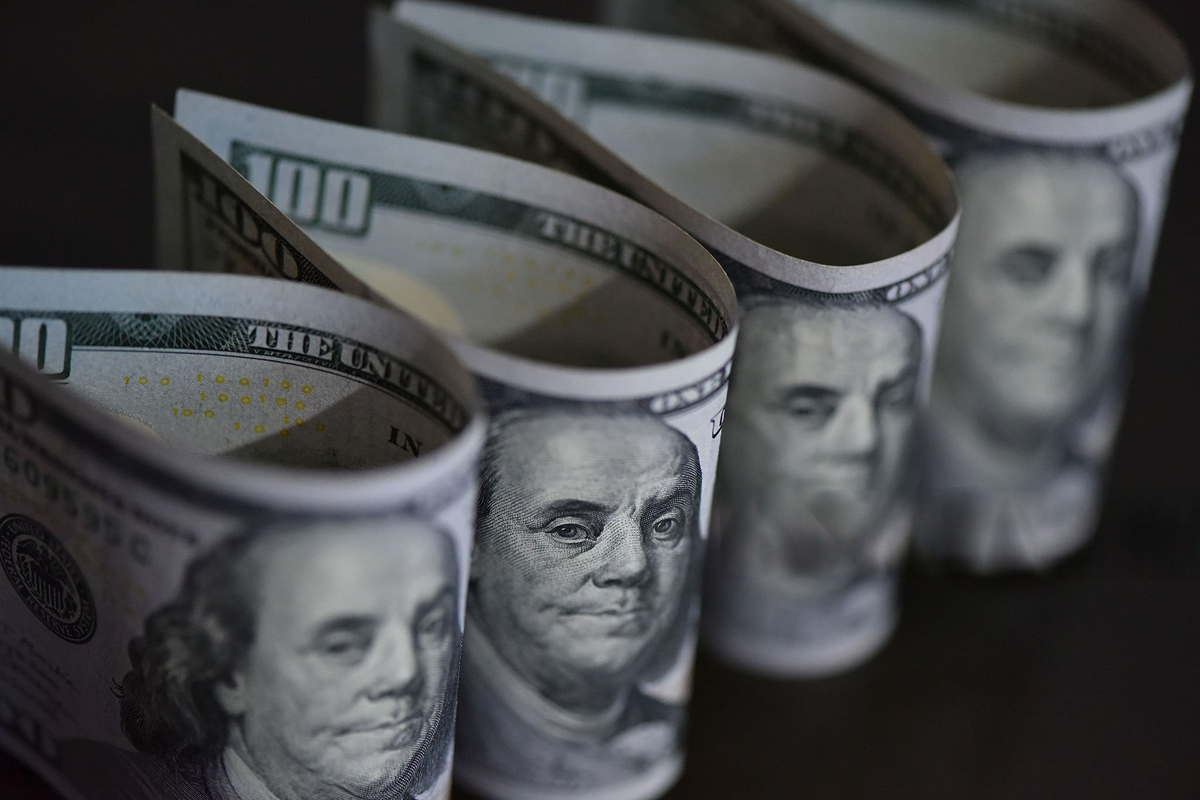
The U.S. dollar continues to maintain its position as the world’s leading safe-haven currency, according to remarks from an Australian central banker who highlighted the greenback’s enduring role in global financial markets. Despite ongoing debates about diversification in global reserve holdings, the dollar remains the preferred refuge for investors during periods of geopolitical tension and economic uncertainty. The comments underscore the structural strength of the dollar within the global monetary system.
The U.S. Dollar’s Role in Global Financial Stability
The U.S. dollar has long served as the backbone of the global financial system. It is the dominant currency used in international trade, sovereign reserves, and cross-border financial transactions. According to data from the International Monetary Fund, roughly 60% of global foreign exchange reserves are still held in U.S. dollar-denominated assets.
This structural dominance helps explain why investors consistently move into dollar-based assets during periods of uncertainty. In times of geopolitical tension or financial market volatility, global capital often flows toward U.S. Treasury securities and other dollar-denominated investments. These assets are widely viewed as highly liquid and relatively secure, making them attractive for investors seeking stability.
The remarks from the Australian policymaker highlight how this dynamic continues to shape global capital flows. Even as financial markets evolve and alternative currencies gain visibility, the depth and liquidity of the U.S. financial system remain difficult to replicate.
Safe-Haven Demand During Global Uncertainty
Safe-haven currencies tend to strengthen during periods of heightened uncertainty because investors seek assets that are perceived as stable and widely accepted. Alongside the U.S. dollar, currencies such as the Swiss franc and Japanese yen are also commonly viewed as defensive assets.
However, the dollar’s global role is reinforced by the scale of the U.S. economy and its deep capital markets. The United States hosts the world’s largest government bond market, providing investors with a broad range of instruments for capital preservation and liquidity management.
In recent years, geopolitical tensions, supply chain disruptions, and fluctuations in global interest rates have periodically boosted demand for dollar-denominated assets. When investors move funds into U.S. financial markets, the dollar often appreciates against other currencies, reinforcing its safe-haven reputation.
For global investors, including institutions in Israel and other developed markets, the dollar remains a key reference point for risk management and international portfolio allocation.
Implications for Global Currency Markets
The continued dominance of the U.S. dollar has important implications for global financial stability and currency market dynamics. Many international commodities, including oil and gold, are priced in dollars, which further strengthens the currency’s role in global trade.
At the same time, central banks in several countries have explored strategies to diversify foreign exchange reserves into alternative currencies or assets. While diversification trends have gained attention in recent years, the scale and liquidity of dollar markets continue to anchor the global financial system.
For emerging markets, dollar movements can have significant economic consequences. A stronger dollar may increase borrowing costs for countries that issue debt denominated in U.S. currency, while also affecting capital flows and exchange rate stability.
Looking ahead, investors will likely monitor how global monetary policy, geopolitical developments, and shifts in trade dynamics influence demand for U.S. dollar assets. Interest rate decisions by the Federal Reserve, global economic growth trends, and the evolution of alternative reserve currencies may all shape the dollar’s trajectory in the coming years. While debates about the future of the global monetary system continue, the depth of U.S. financial markets and the dollar’s central role in international trade suggest it will remain a critical pillar of the global financial architecture for the foreseeable future.
Comparison, examination, and analysis between investment houses
Leave your details, and an expert from our team will get back to you as soon as possible
* This article, in whole or in part, does not contain any promise of investment returns, nor does it constitute professional advice to make investments in any particular field.
To read more about the full disclaimer, click here
- sagi habasov
- •
- 8 Min Read
- •
- ago 20 hours
SKN | Will U.S. Jobs Data Redefine the Federal Reserve’s Rate Path as Oil Prices Stir Inflation Fears?
Global bond markets are entering a critical phase as traders analyze U.S. labor market data to better understand the Federal
- ago 20 hours
- •
- 8 Min Read

Global bond markets are entering a critical phase as traders analyze U.S. labor market data to better understand the Federal
- sagi habasov
- •
- 6 Min Read
- •
- ago 3 days
SKN | Currency Markets Signal a Supply-Side Inflation Shock: Are FX Traders Ahead of Central Banks?
Global currency markets are increasingly pricing in the risk of a supply-driven inflation resurgence. Moves across the U.S. dollar,
- ago 3 days
- •
- 6 Min Read
Global currency markets are increasingly pricing in the risk of a supply-driven inflation resurgence. Moves across the U.S. dollar,

- Lior mor
- •
- 6 Min Read
- •
- ago 4 days
SKN | Can Europe’s Economy Withstand the Iran War if It Ends Within a Month?
The trajectory of Europe’s economic recovery may hinge on a single variable: duration. If the current Iran conflict subsides within
- ago 4 days
- •
- 6 Min Read

The trajectory of Europe’s economic recovery may hinge on a single variable: duration. If the current Iran conflict subsides within

- Articles
- •
- 6 Min Read
- •
- ago 4 days
SKN | China’s Growth Ambitions Confront Limits as National Congress Opens
China entered its annual political session with economic ambitions tempered by the realities of slower growth. The National People’s Congress
- ago 4 days
- •
- 6 Min Read

China entered its annual political session with economic ambitions tempered by the realities of slower growth. The National People’s Congress

