


- Lior mor
- •
- 6 Min Read
- •
- 3 days ago
Key Points
- Former President Donald Trump is exploring new trade probes to revive tariffs after a recent legal defeat halted prior measures.
- The move underscores ongoing political and regulatory uncertainty affecting global trade and supply chains.
- Investors are closely monitoring potential economic implications, including impacts on U.S. import costs and international market sentiment.
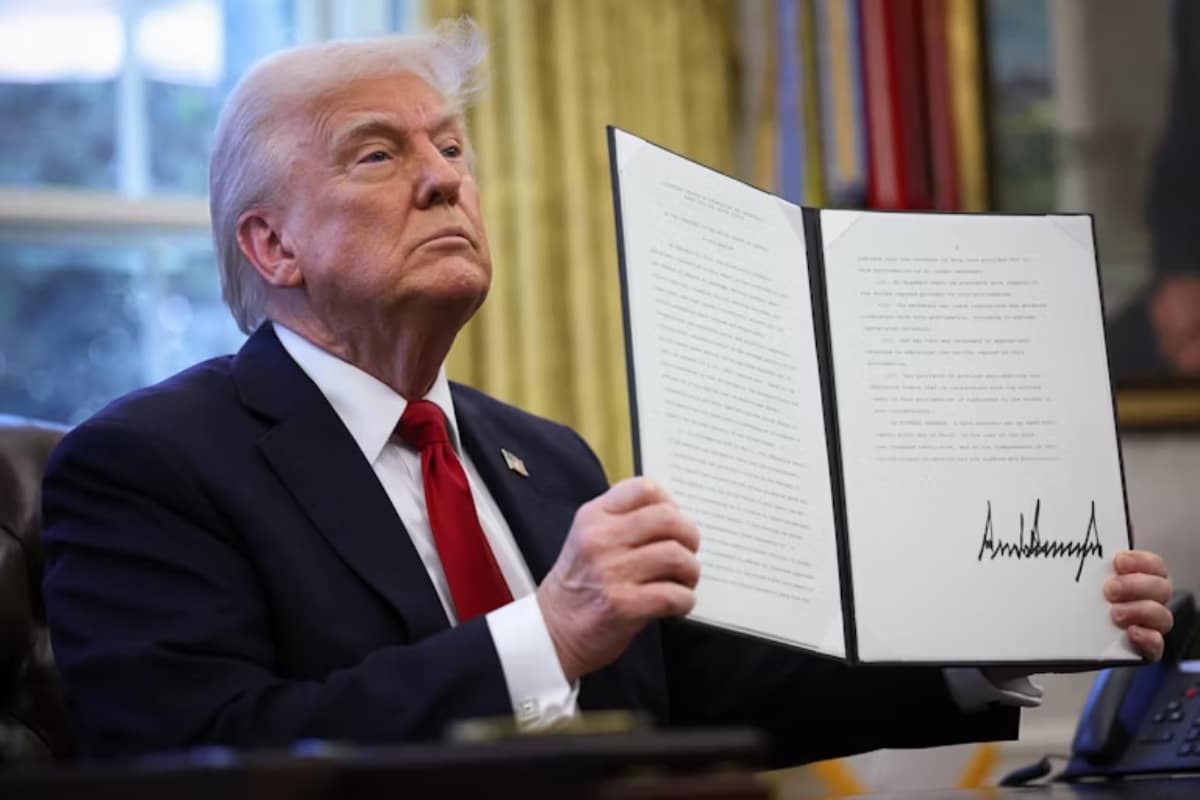
Former President Donald Trump is pursuing additional trade investigations that could lead to reinstated tariffs on key imports, following a court ruling that blocked his previous measures. The initiative reflects continued tensions in U.S. trade policy and raises questions about potential disruptions to global supply chains. Financial markets are assessing how renewed tariff pressure could influence import costs, corporate margins, and broader economic sentiment.
Legal Hurdles and Strategic Moves
Trump’s original tariff programs faced judicial challenges that temporarily suspended their implementation, creating uncertainty for U.S. companies reliant on imported goods. The latest effort seeks to identify new trade violations or unfair practices, which could justify fresh tariffs under U.S. trade law. Analysts note that while the scope of these investigations is not yet fully defined, the move signals a persistent political willingness to use tariffs as a tool to influence trade balances and domestic industry competitiveness.
The potential for revived tariffs has prompted corporate strategists to reassess supply chain exposure, inventory management, and cost projections. Firms with significant reliance on Chinese and other international imports are weighing the risk of renewed trade friction, which could affect earnings forecasts and investment decisions in the near term.
Market and Economic Implications
Investors are closely observing developments, as any escalation in trade tensions could influence commodity prices, currency valuations, and equity market performance. In particular, U.S. importers could face higher costs, while global exporters may encounter reduced access to the American market. Historical precedent suggests that tariff announcements can create short-term volatility in stock indices, particularly in sectors sensitive to international trade, including technology, industrials, and consumer goods.
For Israeli investors and multinationals with exposure to U.S. imports or exports, the policy signals are significant. Shifts in trade barriers may impact Israeli technology companies with U.S. clients or supply chain linkages, highlighting the interconnected nature of global commerce.
Political Context and Forward Strategy
The renewed trade probes occur against the backdrop of an increasingly polarized political environment in the U.S., with policy decisions intertwined with electoral considerations. Trump’s approach demonstrates the ongoing use of trade policy as both a regulatory and strategic instrument. While actual tariff reinstatement will depend on investigation outcomes and potential legal challenges, the threat alone may influence negotiations and corporate planning.
Looking ahead, market participants will track updates on the investigations, court rulings, and any official policy guidance. Observers will also monitor reactions in global commodities and currency markets, as well as implications for corporate earnings. For Israeli and international investors, the evolving landscape reinforces the importance of strategic hedging and scenario planning in managing exposure to U.S. trade policy shifts.
Comparison, examination, and analysis between investment houses
Leave your details, and an expert from our team will get back to you as soon as possible
* This article, in whole or in part, does not contain any promise of investment returns, nor does it constitute professional advice to make investments in any particular field.
To read more about the full disclaimer, click here
- orshu
- •
- 6 Min Read
- •
- ago 4 days
SKN | Bitcoin Slides Below $65,000 as Tariff Whiplash Revives Macro Risk Fears
Bitcoin fell sharply in early Asia trading, dropping below the $65,000 threshold as renewed uncertainty over U.S. tariff policy unsettled
- ago 4 days
- •
- 6 Min Read

Bitcoin fell sharply in early Asia trading, dropping below the $65,000 threshold as renewed uncertainty over U.S. tariff policy unsettled

- sagi habasov
- •
- 5 Min Read
- •
- ago 4 days
SKN | Argentina’s Merval Rebounds Above 2.87 Million as Volatility Tests Investor Conviction
Argentina’s benchmark Merval index is attempting to stabilize after a volatile stretch that saw sharp swings across consecutive sessions. The
- ago 4 days
- •
- 5 Min Read
Argentina’s benchmark Merval index is attempting to stabilize after a volatile stretch that saw sharp swings across consecutive sessions. The

- Lior mor
- •
- 6 Min Read
- •
- ago 5 days
SKN | Ray Dalio Turns Cautious on the U.S. and Trims Big Tech Exposure: Strategic Shift or Macro Warning?
Ray Dalio, founder of Bridgewater Associates and one of the world’s most closely followed macro investors, has signaled a
- ago 5 days
- •
- 6 Min Read
Ray Dalio, founder of Bridgewater Associates and one of the world’s most closely followed macro investors, has signaled a
- orshu
- •
- 7 Min Read
- •
- ago 6 days
SKN | Will Investors Embrace $5 Billion in Software Debt as AI Disruption Clouds the Sector?
JPMorgan Chase is preparing to test market appetite for leveraged software financing with a $5.3 billion debt package backing Qualtrics
- ago 6 days
- •
- 7 Min Read
JPMorgan Chase is preparing to test market appetite for leveraged software financing with a $5.3 billion debt package backing Qualtrics

