


- Lior mor
- •
- 7 Min Read
- •
- 2 hours ago
Key Points
- Former U.S. President Donald Trump called for Iran’s surrender, intensifying geopolitical tensions amid ongoing military conflict.
- The escalation has triggered sharp reactions across global financial markets, including rising oil prices, volatility in equities, and increased demand for safe-haven assets.
- Investors are closely monitoring the potential impact on energy supply routes, global trade flows, and Middle East stability.
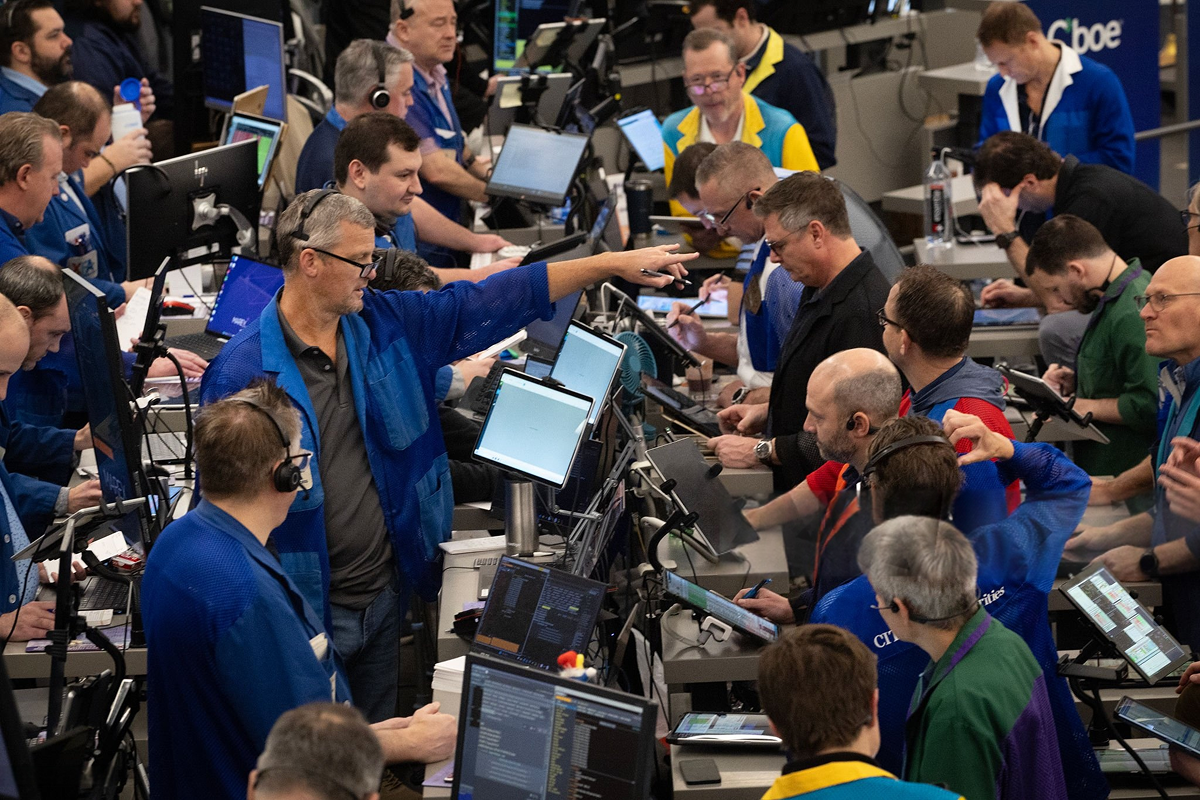
Global financial markets have been rattled by escalating geopolitical tensions after Donald Trump demanded Iran’s surrender amid an intensifying conflict that is reshaping investor sentiment worldwide. The developments have heightened concerns about stability in the Middle East, a region critical to global energy supply chains and international trade routes. As a result, investors are increasingly positioning portfolios around geopolitical risk and potential economic disruptions.
Geopolitical Escalation and Market Volatility
The latest escalation in rhetoric and military developments involving Iran has intensified market uncertainty. Political statements and potential military actions often create rapid reactions across financial markets, particularly when they involve key energy-producing regions.
When geopolitical tensions increase in the Middle East, markets typically respond with heightened volatility. Equity markets may experience sudden sell-offs as investors shift capital toward defensive assets such as gold, U.S. Treasury bonds, and safe-haven currencies. At the same time, commodities such as oil frequently surge because of concerns about supply disruptions.
The Middle East plays a central role in global energy production, and any threat to major oil shipping routes or production facilities can have immediate implications for energy markets. Investors often react quickly to geopolitical headlines, driving significant short-term price swings across asset classes.
Energy Markets React to Supply Concerns
Energy markets have been particularly sensitive to developments surrounding the conflict. Oil prices have shown upward pressure as traders factor in the possibility of supply disruptions or logistical challenges affecting energy exports from the region.
The Strait of Hormuz, one of the world’s most important maritime oil transit chokepoints, lies at the center of many geopolitical risk calculations involving Iran. A large portion of global oil shipments passes through the strait, making it a critical component of global energy security.
If tensions escalate further and threaten shipping routes or regional infrastructure, energy markets could experience increased volatility. Rising oil prices often have ripple effects across the global economy, influencing inflation expectations, transportation costs, and industrial production expenses.
For energy-exporting countries, higher prices can provide economic benefits, while oil-importing nations may face rising costs that affect trade balances and consumer prices.
Global Equity Markets and Investor Sentiment
The geopolitical developments have also influenced global equity markets, with investors reassessing risk exposure across multiple sectors. Historically, periods of geopolitical uncertainty lead to shifts in portfolio allocations, as institutional investors rebalance toward assets perceived as more resilient during crises.
Technology and growth-oriented stocks can sometimes experience volatility during geopolitical shocks, while sectors such as defense, energy, and commodities may attract increased investor attention. Financial markets often react not only to current events but also to the potential long-term economic implications of geopolitical conflict.
For investors in Israel and across global markets, developments involving Iran carry significant geopolitical and economic implications. Israel’s strategic position in the region means that shifts in the geopolitical landscape can influence both regional security dynamics and international investor sentiment.
Looking ahead, market participants will closely monitor several key developments that could influence global markets. These include diplomatic negotiations, military developments, and potential international responses to the conflict. Energy supply conditions, shipping activity in strategic waterways, and policy signals from major economies may also play important roles in shaping market outcomes. If tensions escalate further, financial markets may continue experiencing heightened volatility, while any signs of diplomatic progress could help stabilize investor sentiment across global markets.
Comparison, examination, and analysis between investment houses
Leave your details, and an expert from our team will get back to you as soon as possible
* This article, in whole or in part, does not contain any promise of investment returns, nor does it constitute professional advice to make investments in any particular field.
To read more about the full disclaimer, click here
- Lior mor
- •
- 7 Min Read
- •
- ago 27 minutes
SKN | Ziff Davis to Sell Ookla and Downdetector to Accenture in $1.2 Billion Deal: What It Means for Digital Infrastructure and Data Services
Technology and media company Ziff Davis announced plans to sell two of its well-known digital infrastructure platforms, Ookla and
- ago 27 minutes
- •
- 7 Min Read

Technology and media company Ziff Davis announced plans to sell two of its well-known digital infrastructure platforms, Ookla and

- orshu
- •
- 8 Min Read
- •
- ago 2 hours
SKN | Financial Stocks Slide: Why Bread Financial, Perella Weinberg, Donnelley Financial, PROG, and Sallie Mae Are Trading Lower
A group of financial-sector stocks including Bread Financial (BFH), Perella Weinberg Partners (PWP), Donnelley Financial Solutions (DFIN), PROG Holdings
- ago 2 hours
- •
- 8 Min Read

A group of financial-sector stocks including Bread Financial (BFH), Perella Weinberg Partners (PWP), Donnelley Financial Solutions (DFIN), PROG Holdings

- Arik Arkadi Sluzki
- •
- 7 Min Read
- •
- ago 2 hours
SKN | NYSE Hit With $9 Million SEC Fine Over Trading Glitch That Disrupted U.S. Stock Market
The New York Stock Exchange (NYSE) has been fined $9 million by the U.S. Securities and Exchange Commission (SEC)
- ago 2 hours
- •
- 7 Min Read

The New York Stock Exchange (NYSE) has been fined $9 million by the U.S. Securities and Exchange Commission (SEC)
- orshu
- •
- 7 Min Read
- •
- ago 3 hours
SKN | Methode Electronics Stock Slides: What Is Driving the Sell-Off in MEI Shares Today?
Shares of Methode Electronics Inc. traded lower in recent market activity as investors digested concerns surrounding the company’s earnings
- ago 3 hours
- •
- 7 Min Read

Shares of Methode Electronics Inc. traded lower in recent market activity as investors digested concerns surrounding the company’s earnings

